Skip to content
Your standard bath towel could be causing frizz and damage. You invest in great hair products, only for your towel to undermine all that effort. The right material makes all the difference.
Yes, some cotton towels are excellent for hair, but the type of cotton matters. A high-quality, long-staple cotton with a smooth weave is very gentle. However, a standard rough terry cotton towel can cause friction and damage the hair cuticle, leading to frizz and breakage.
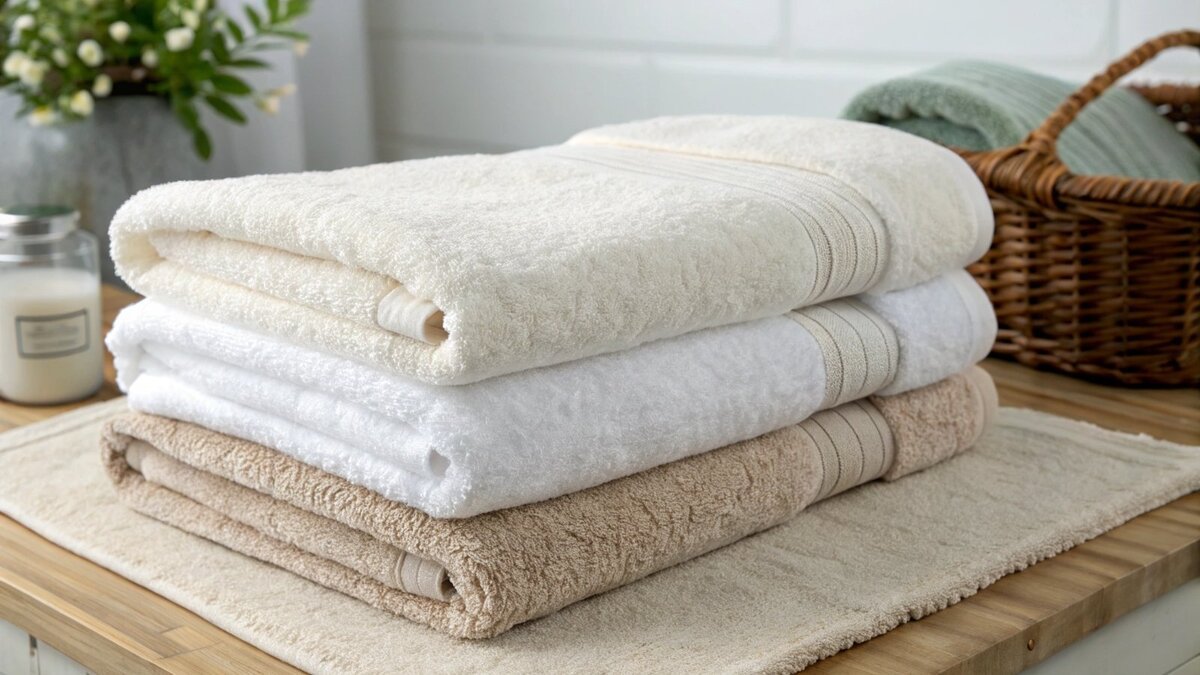
I’ve been in the towel business for a long time, and this question comes up constantly. Brands want to offer the best, but there’s a lot of confusion about what "best" really means for hair. It’s not a simple yes or no answer. You see "100% Cotton" on a label and assume it’s good, but the construction of the towel is just as important as the material itself. A cheap, coarse cotton towel can act like sandpaper on delicate, wet hair strands. On the other hand, a finely woven cotton towel can be one of the gentlest options available. Let’s break down what you need to look for, so you can make a smart choice for your business and your customers. Getting this right helps build a brand known for quality and care.
What towel material is best for hair?
Choosing the wrong towel leads to split ends and frizz. You see options like cotton, microfiber, and bamboo, making the decision confusing. Let’s compare them to find the clear winner.
The best towel material for hair is either a high-quality, long-staple cotton with a gentle weave or a high-grade microfiber designed for hair. Both options minimize friction and absorb water very quickly without roughing up the hair’s outer layer, which is called the cuticle.
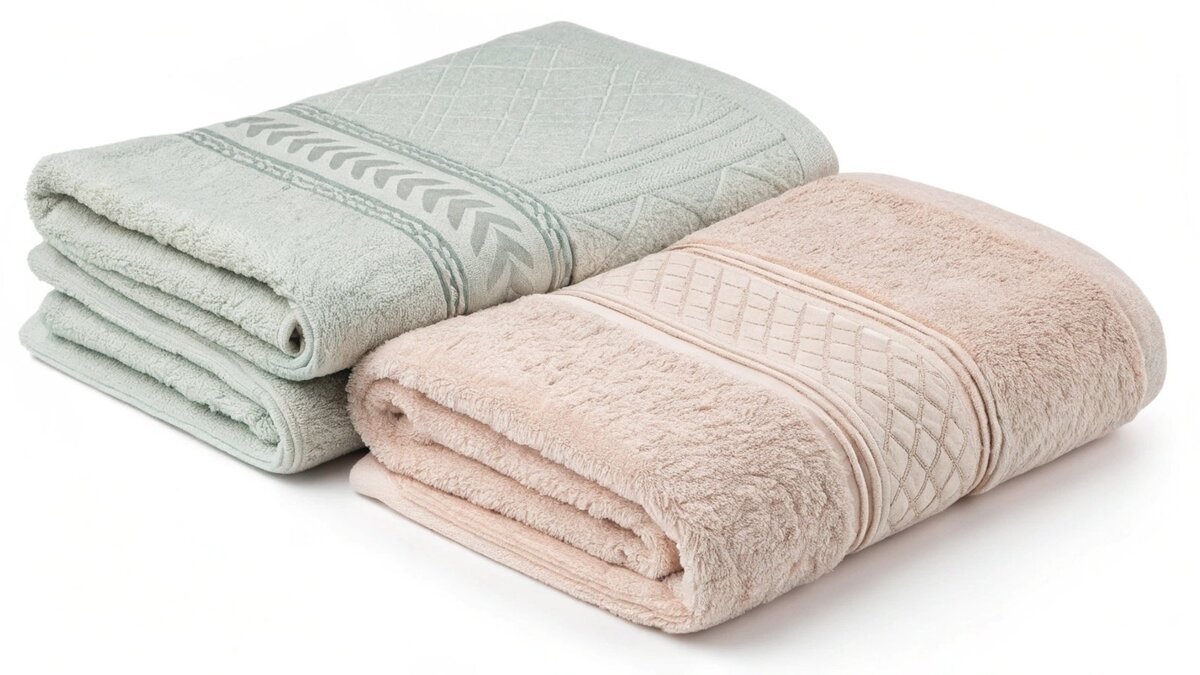
Over the years at TowelTrend, I’ve guided countless clients through this exact choice. The "best" material truly depends on the end-use. Is it for a luxury spa, a busy hair salon, or a retail brand focused on eco-conscious products? Each scenario points to a different solution.
Cotton Varieties
Not all cotton is created equal. Standard cotton has short fibers that can feel rough. Long-staple cotton, like Egyptian or Pima, has longer, smoother, and stronger fibers. This results in a towel that is much gentler on the hair. The weave is also critical. A traditional terry loop can snag hair, while a flat or waffle weave provides a smoother surface that absorbs water without causing friction. I once worked with a spa client who switched their standard terry towels to a waffle weave cotton. Their stylists immediately reported less frizz and easier comb-outs for clients with long hair.
Microfiber Explained
Microfiber is a synthetic material, usually a blend of polyester and polyamide. Its fibers are incredibly fine—much finer than a human hair. This creates a massive surface area, allowing it to absorb a huge amount of water very quickly. For hair, this means less time spent with a heavy, wet towel on your head and a shorter blow-dry time. However, quality matters. Cheap microfiber can feel harsh and staticky, but a high-quality, split-fiber microfiber is exceptionally soft and effective.
Is it good to use a cotton towel for hair?
Your basic cotton towel might be secretly damaging your hair. It feels soft enough on your skin, but is it too rough for your fragile hair cuticles? Let’s look closer.
Using a cotton towel can be very good for your hair, but only if it’s the right kind. A smooth, high-quality cotton is excellent. A standard, looped terry cotton towel, however, can be too abrasive, causing friction that leads to frizz and breakage over time.
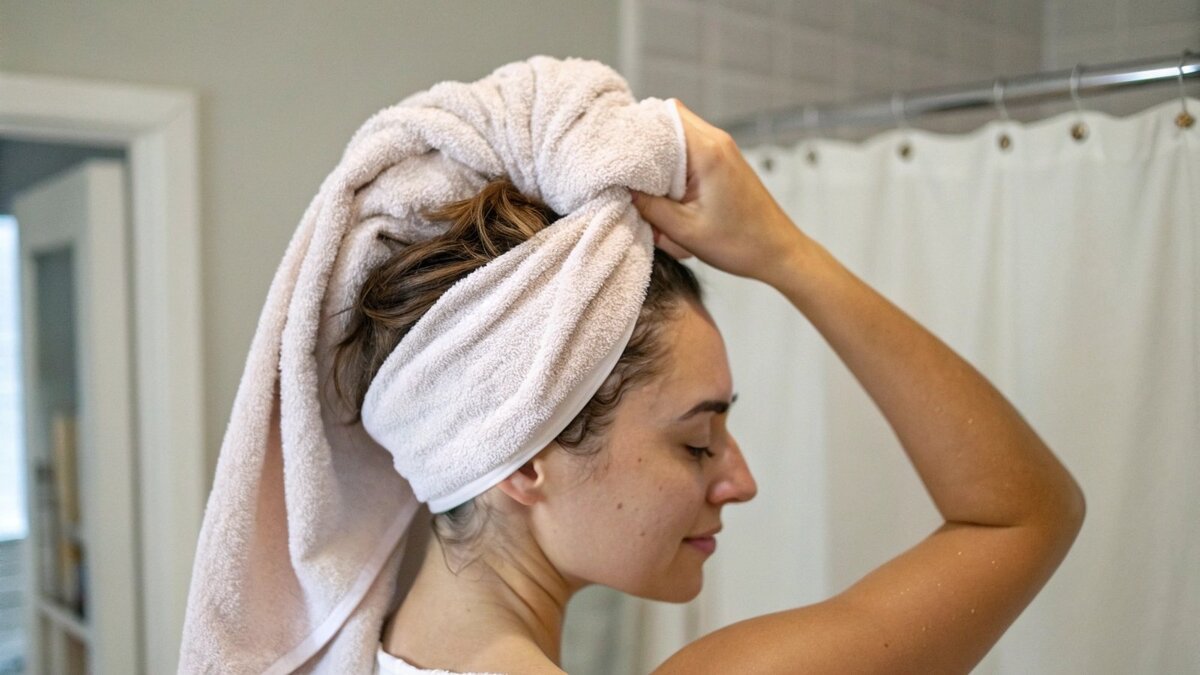
This is one of the most important distinctions I make when talking to new brand owners. They often want to stamp "100% Cotton" on their products as a sign of quality, and I always ask, "What kind of cotton experience are you selling?" Because the difference is night and day for your hair.
The Good Side of Cotton
High-quality cotton is a fantastic choice. It’s a natural fiber, so it’s breathable and hypoallergenic. When the cotton is processed correctly—for example, through combing to remove short, prickly fibers, or using a zero-twist method—it becomes incredibly soft and plush. These towels absorb water effectively without you needing to rub your hair aggressively. For brands targeting a premium, natural, or spa-like feel, a well-made cotton towel is a perfect fit. It delivers performance while feeling luxurious and gentle.
The Downside of Standard Cotton
The problem lies with standard terry cloth towels. The looped pile that makes them absorbent can also act like thousands of tiny hooks that grab and pull at the hair cuticle. When your hair is wet, it’s in its most fragile state. Rubbing it with a rough terry towel lifts those cuticles, which leads directly to frizz and can even cause permanent damage over time. This is why you often hear hair experts advise patting or squeezing hair dry instead of rubbing it vigorously.
| Cotton Type for Hair | Hair Friendliness | Why it Works (or Doesn’t) |
|---|---|---|
| Standard Terry | Low | The rough loops easily snag and pull on fragile hair cuticles. |
| Combed Cotton Terry | Medium | Fibers are smoother, but the looped structure can still cause some friction. |
| Waffle Weave | High | The textured pockets absorb water well with a smooth surface that doesn’t snag hair. |
| Long-Staple (Pima/Egyptian) | High | Very smooth, strong, and soft fibers glide over hair, minimizing friction and breakage. |
Is it better to dry your hair with cotton or microfiber?
The debate between cotton and microfiber for hair is confusing. Both materials claim to be great, so how do you decide which one is right? Let’s break down the key differences.
It’s better to dry hair with microfiber if your main goals are speed and maximum water absorption. It is better to use a high-quality, smooth cotton towel if you prefer a natural fiber or have very delicate hair that might feel "gripped" by microfiber’s texture.
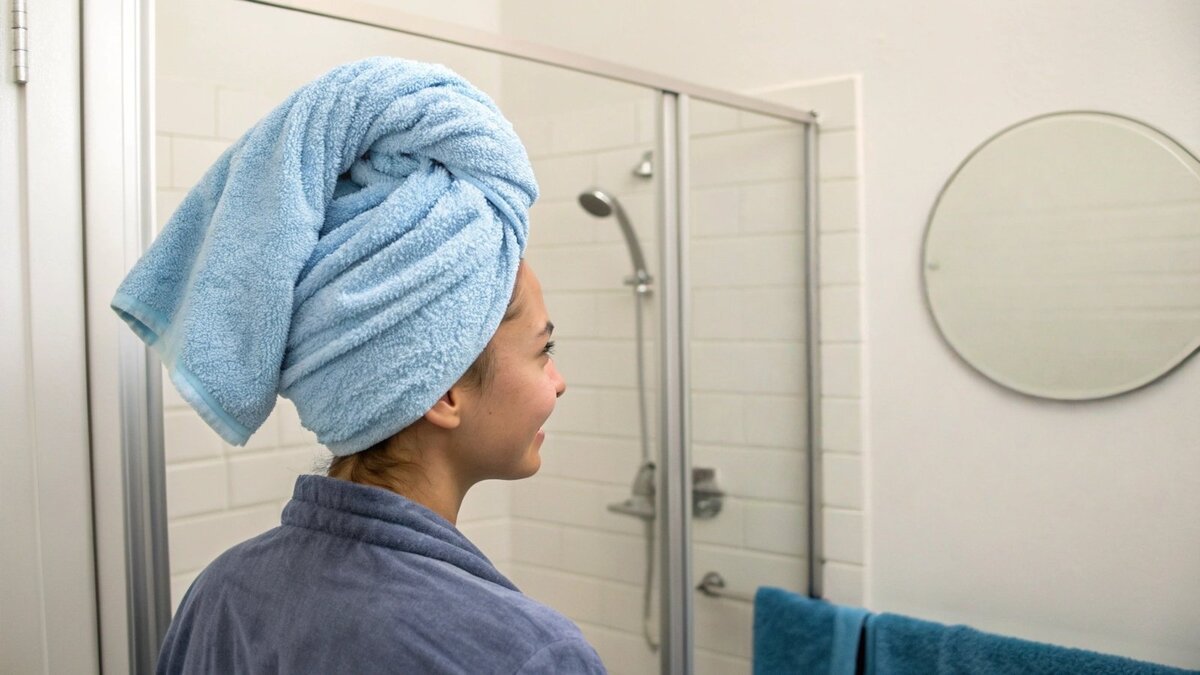
When a client comes to me with this question, my first response is always, "Tell me about your customer." A person trying to get out of the gym quickly has very different needs than someone enjoying a relaxing bath at a luxury hotel. The choice between cotton and microfiber isn’t about which is better overall, but which is better for a specific purpose.
The Case for Cotton
Cotton works by absorbing water into its cellulose fibers. This process feels very natural and gentle, especially with a high-quality, smooth-weave towel. For people with extremely fine, color-treated, or fragile hair, a soft cotton waffle or flat-weave towel can feel less aggressive than microfiber. I remember a hotel client who tested both. They ultimately chose premium waffle cotton towels for their guest suites. They found that their clientele associated the natural feel of cotton with luxury and a higher standard of care, which perfectly matched their brand identity.
The Case for Microfiber
Microfiber works differently. It doesn’t just absorb water; it wicks it away from the surface of the hair. The blend of polyester and polyamide creates a static charge that helps pull water into the towel. Because its fibers are so dense and fine, it can hold many times its weight in water. This drastically cuts down on hair drying time. For hair salons that need to move clients through efficiently, or for brands creating products for athletes, microfiber is often the superior choice due to its sheer performance and speed.
Which is better, microfiber or cotton towel?
Picking between microfiber and cotton for your brand feels like a big commitment. You need a towel that reflects your brand’s quality and meets your customers’ specific needs. Here is a clear comparison.
Neither material is universally "better" because it all depends on the towel’s intended use. Microfiber is the winner for quick drying and high absorbency, making it perfect for sports or hair salons. Cotton provides a classic, natural feel and is excellent for general home, hotel, and spa use.
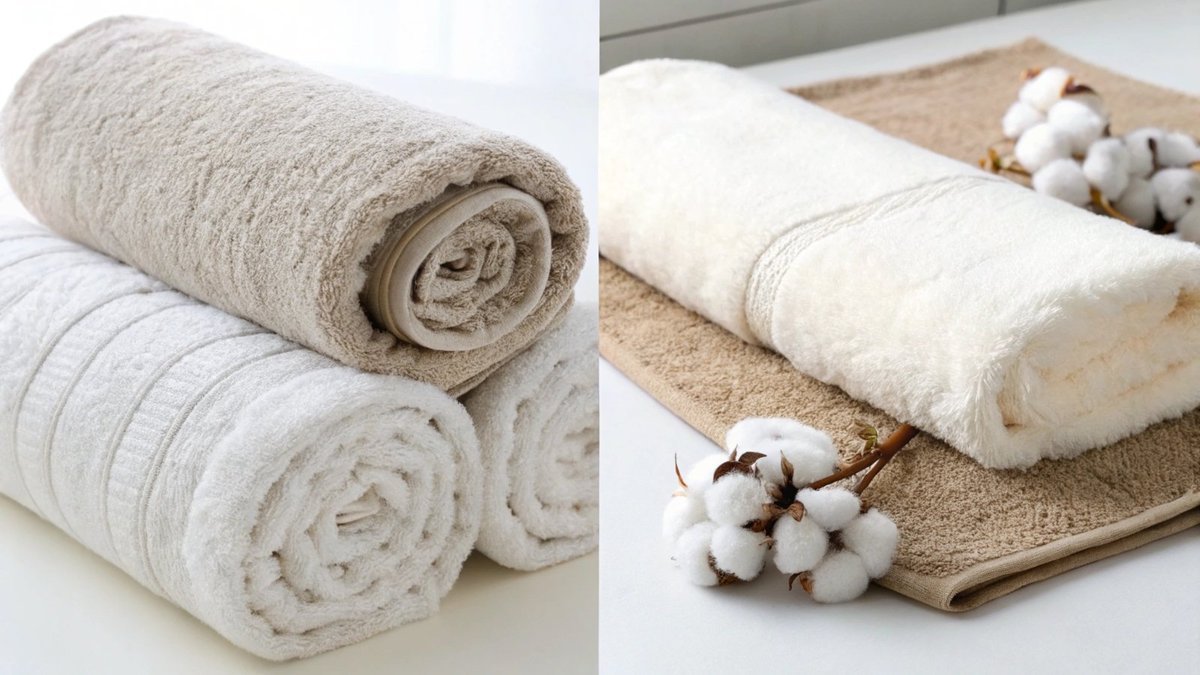
I see this as a functional decision. As a manufacturer, my job is to match the tool to the task. When a client wants to produce a promotional towel for a marathon, I immediately recommend microfiber for its lightweight and quick-dry properties. When another client wants to launch a line of luxury bath towels for their department store, we start the conversation with long-staple cotton. Both are great towels, but they solve different problems. Thinking about it this way makes the choice clear.
Microfiber vs. Cotton Showdown
To make it even simpler, here is a direct comparison table. We use this framework at TowelTrend to help our partners decide where to invest.
| Feature | Microfiber | Cotton |
|---|---|---|
| Absorbency | Very High (wicks moisture away quickly) | High (absorbs water into fibers) |
| Drying Speed (Towel) | Very Fast | Slower to air dry |
| Gentleness on Hair | High (with good quality) | High (with smooth weave) |
| Feel | Synthetic, can feel "grippy" to some | Natural, soft, and breathable |
| Best For | Hair salons, gyms, activewear brands, cleaning | Hotels, spas, home bath, premium retail |
| Durability | Extremely durable and long-lasting | Very durable, but can lint if lower quality |
| Cost | Often more budget-friendly for performance | Price varies widely based on quality |
Ultimately, this decision comes back to your brand’s promise. Are you selling speed and efficiency, or are you selling natural comfort and luxury? Answering that question will tell you whether microfiber or cotton is the right choice for you.
Conclusion
The best towel is not about cotton vs. microfiber. It is about choosing a high-quality material with a smooth, gentle texture to protect your hair from damage and frizz effectively.