Skip to content
Stepping out of a warm shower into a cold room is bad enough. Grabbing a damp, chilly towel makes it worse. A towel warmer promises spa-like luxury, but is it worth it?
Yes, a towel warmer is absolutely worth it if you value comfort and hygiene. It transforms your daily routine by providing a warm, cozy towel while also drying it quickly. This prevents musty smells and bacterial growth, making your bathroom a more luxurious and sanitary space.

A towel warmer seems like a simple luxury. But the benefits go beyond just a warm towel. It’s about upgrading your entire bathing experience and even improving the health of your bathroom environment. In my years in the textile industry, I’ve seen how small details elevate a product from good to great. The same applies to your home. Let’s break down everything you need to know, from the best towels to use to the perfect placement, so you can decide if this affordable luxury is right for you.
What towels are best for towel warmers?
Your new towel warmer isn’t making your towels feel special. Some even come out feeling stiff or barely warm. The secret isn’t the warmer; it’s the towel itself.
The best towels for warmers are 100% cotton, especially Turkish or Egyptian varieties. Their long fibers retain heat beautifully and become exceptionally soft. Aim for a medium weight, around 500-700 GSM, for the perfect balance of plushness and quick drying on the rail.
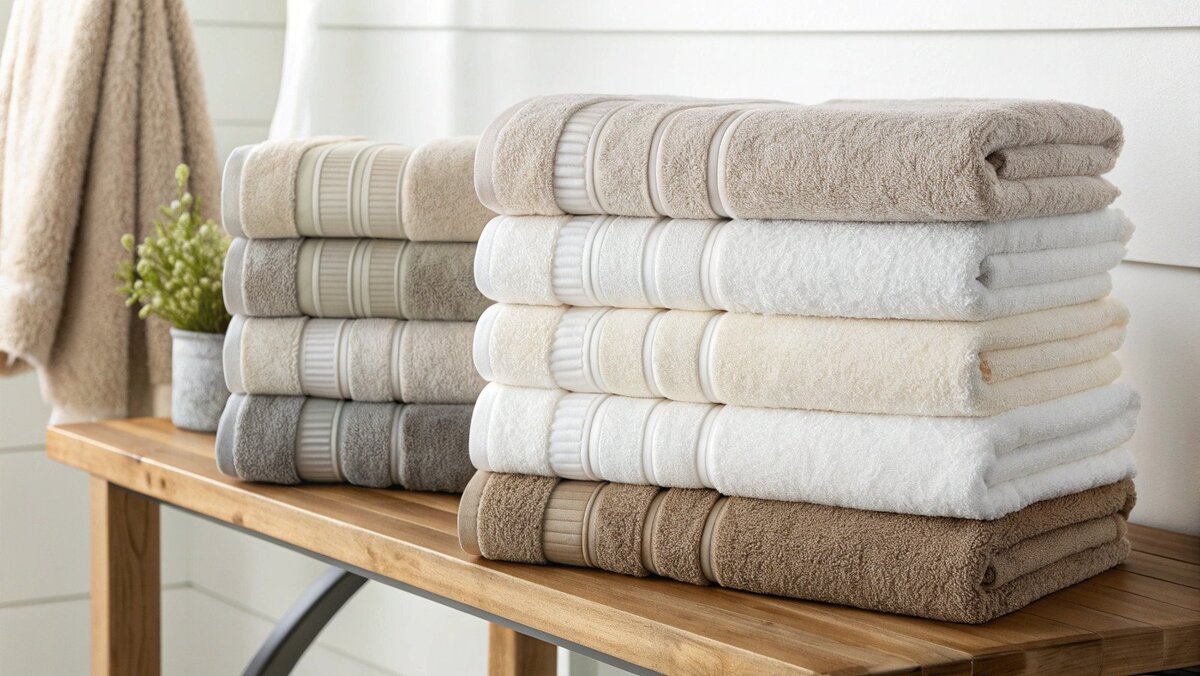
When we manufacture towels for our clients, the material is the first and most important decision. It determines everything about the towel’s performance, especially how it reacts to heat and moisture. A towel warmer amplifies a towel’s natural qualities. A great towel becomes amazing, while a poor-quality one just becomes a warm, stiff cloth. Understanding the materials is key to getting that five-star hotel feeling at home every single day.
Why Cotton is King
Cotton, and specifically long-staple cotton like Turkish or Egyptian, is the undisputed champion for use with towel warmers. The long, smooth fibers have more surface area to absorb heat and they fluff up beautifully when warmed. This creates that cloud-like softness you expect. Synthetics like microfiber, on the other hand, can become rigid or even melt at high temperatures, and they just don’t offer the same luxurious feel.
The GSM Sweet Spot
GSM stands for Grams per Square Meter and it measures towel density. You might think the heaviest towel is the best, but that’s not always true with a warmer. A very heavy towel (800+ GSM) might not dry completely between uses, even on a heated rail. A towel that is too light (below 400 GSM) will feel thin and won’t hold heat well. The sweet spot is right in the middle.
| Material | Heat Retention | Feel After Warming | Drying Speed on Warmer |
|---|---|---|---|
| 100% Cotton | Excellent | Soft & Fluffy | Good |
| Microfiber | Poor | Can feel stiff or staticy | Very Fast |
| Cotton Blend | Moderate | Varies by blend ratio | Moderate |
| Bamboo Rayon | Good | Very Soft & Silky | Good |
Is buying a towel warmer worth it?
You’re thinking about a towel warmer but are worried about the cost. Is it just another appliance that will increase your energy bill for a small benefit? Let’s look at the real value.
Yes, a towel warmer is a valuable investment. It provides daily comfort, improves hygiene by drying towels fast to stop mildew, and adds a touch of warmth to your bathroom. Modern units are very energy-efficient, often using less electricity than a single lightbulb.

I’ve worked with many hotel and spa clients over the years. They understand that creating a memorable, premium experience is built on small, thoughtful details. A warm towel is one of those details that guests always mention. It signals care and luxury. Bringing that same experience into your home is more than just an indulgence; it’s about making your daily routines more pleasant and hygienic. The return on investment is measured in daily comfort, not just dollars and cents.
The Cost vs. Comfort Calculation
The initial price of a towel warmer can range from affordable to high-end, but the daily running cost is minimal. Many hardwired models come with timers, so they only run when you need them. Think about it: for pennies a day, you get to wrap yourself in a perfectly warm towel. It transforms the simple act of drying off into a moment of pure comfort, which is a feeling that’s hard to put a price on.
Hygiene and Towel Longevity
A damp towel is a breeding ground for bacteria and mildew. This is what causes that musty smell. A towel warmer dries your towel completely, stopping this process cold. This means your towels stay fresher for longer, so you don’t have to wash them as often. Fewer wash cycles mean less wear and tear on the fibers, extending the life of your premium towels. For our business clients, this is a huge selling point as it directly impacts their linen replacement costs.
| Aspect | Pros | Cons |
|---|---|---|
| Comfort | Provides daily, spa-like luxury with warm towels. | — |
| Hygiene | Dries towels quickly, reducing mildew and bacteria. | — |
| Cost | Low running cost, often energy-efficient. | Initial purchase and installation price. |
| Ambiance | Gently warms the bathroom, reducing chill. | Requires wall space and electrical connection. |
Where is the best place to put a towel warmer?
You have a new towel warmer, but you’re not sure where to install it. Putting it in the wrong place can be inconvenient, ineffective, or even dangerous. Strategic placement is everything.
The best place for a towel warmer is on a solid wall within arm’s reach of your shower or tub, but safely outside the direct "splash zone." Ensure it’s clear of doorways and high-traffic areas. Always follow the manufacturer’s safety guidelines for clearance.
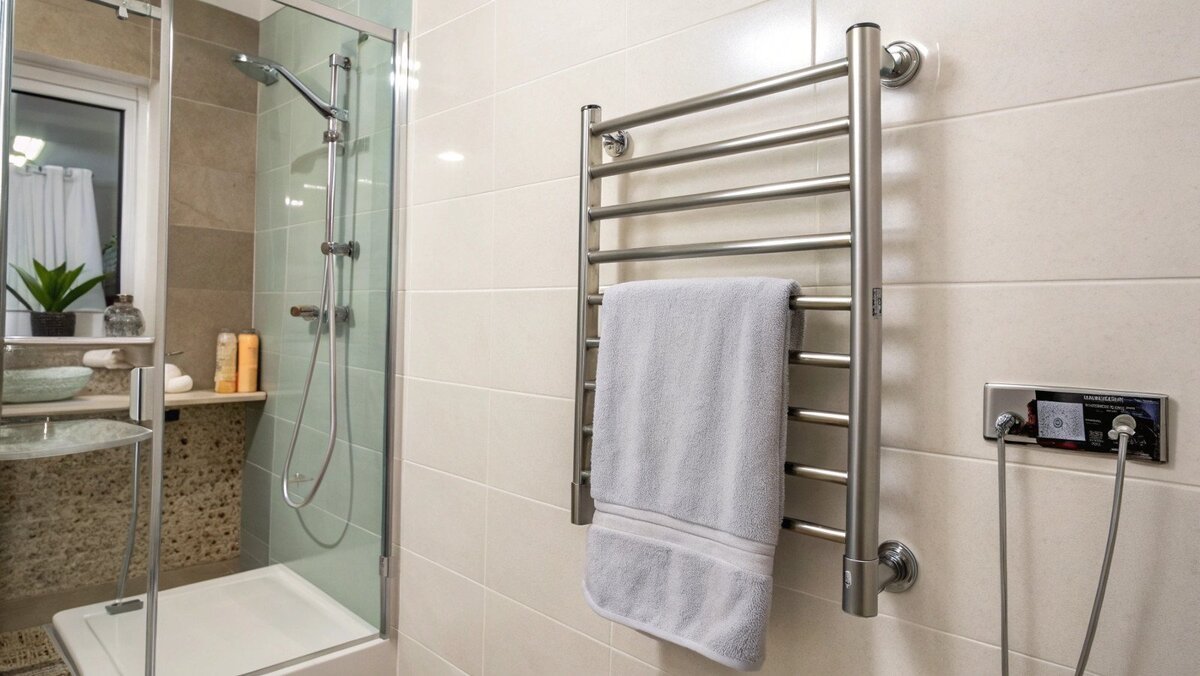
When we supply towels for large hotel projects, we often see the blueprints. The placement of every single fixture, including towel warmers, is planned with extreme precision. It’s a balance of user convenience, electrical safety, and optimal performance. The same principles apply to your home bathroom. You want the towel to be easy to grab when you’re wet, but you also need to ensure the appliance is operating safely and has the airflow it needs to work properly.
Safety First: The "Splash Zone" Rule
Water and electricity do not mix. Your bathroom is divided into zones based on proximity to water. Towel warmers must be installed outside of Zone 0 (inside the bath/shower) and Zone 1 (directly above the bath/shower). The ideal spot is in Zone 2 or outside the zones completely. This means it’s far enough away that it won’t get splashed. Always have a qualified electrician handle the installation of a hardwired unit to ensure it complies with local building codes.
Convenience and Airflow
The perfect spot is close enough to grab your towel without dripping water all over the floor. However, don’t mount it flush in a tight corner. A towel warmer needs space for air to circulate around it to dry the towel efficiently. Most manufacturers recommend at least a few inches of clearance on all sides. This ensures the heat dissipates evenly and the towel dries from all angles.
| Consideration | Best Practice | Why it Matters |
|---|---|---|
| Proximity to Shower | Within arm’s reach (about 3 feet). | Easy access without creating a slipping hazard. |
| Water Safety | Outside the direct splash zone. | Prevents electrical shock and damage to the unit. |
| Wall Support | Mount directly into wall studs. | Ensures the warmer is stable and secure. |
| Air Circulation | Allow 2-3 inches of clearance around it. | Critical for efficient drying and performance. |
| Height | At a comfortable adult reaching height. | Makes it easy to hang and retrieve towels. |
Are vertical or horizontal heated towel rails better?
You’re ready to choose a towel warmer, but the different shapes are confusing. Does the orientation actually affect performance, or is it just about looks? The answer is a bit of both.
It depends on your bathroom’s space and how you use your towels. Horizontal rails are traditional and great for folding multiple towels. Vertical rails are modern, save space on narrow walls, and are perfect for hanging towels long, which helps them dry quickly.

As a towel maker, how a towel is dried is very important to me. Improper drying can damage the cotton fibers over time. Both warmer styles work well, but they interact with the towel differently. A horizontal rail warms a folded towel from the inside out, while a vertical rail allows the towel to hang naturally, promoting airflow along its entire length. The best choice comes down to which method fits your space and your towels.
The Case for Horizontal Rails
Horizontal rails are the classic choice. Their ladder-like design provides a large surface area, which is perfect for warming towels that are folded in thirds. This method is great for getting the center of the towel nice and toasty. It’s also the superior option if you need to warm or dry multiple towels at once for a family. The wide design makes a strong visual statement and functions as a practical storage rack.
The Advantage of Vertical Rails
Vertical rails are a modern and stylish solution, especially for bathrooms where wall space is limited. They are ideal for narrow walls next to a vanity or shower. Hanging a towel by its end and letting it drape down its full length allows gravity and heat to work together. This promotes excellent airflow and can lead to faster, more even drying. This method is also gentler on the towel’s fibers, as it avoids hard creases from folding.
| Feature | Horizontal Rails | Vertical Rails |
|---|---|---|
| Space Usage | Requires more horizontal wall space. | Fits narrow, tall wall spaces. |
| Towel Capacity | Excellent for 2-4 folded towels. | Best for 1-2 long-hanging towels. |
| Warming Style | Warms the core of a folded towel. | Warms the entire length of a draped towel. |
| Aesthetics | Traditional, classic, "ladder" look. | Modern, minimalist, sculptural. |
| Best For | Family bathrooms, large walls. | Small bathrooms, ensuite, contemporary designs. |
Conclusion
A towel warmer is a practical luxury. It improves daily comfort and hygiene with minimal cost. Paired with the right cotton towel, it transforms your bathroom into a personal spa.