Skip to content
Sourcing towels but confused by all the different sizes? Choosing the wrong one can disappoint customers and leave you with unsold stock. Understanding standard dimensions is your first step to success.
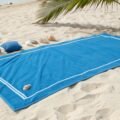
A standard beach towel is about 30 x 60 inches (76 x 152 cm). This size is popular because it gives you enough space to lie down comfortably on the sand but is still compact enough to easily fit in a beach bag.
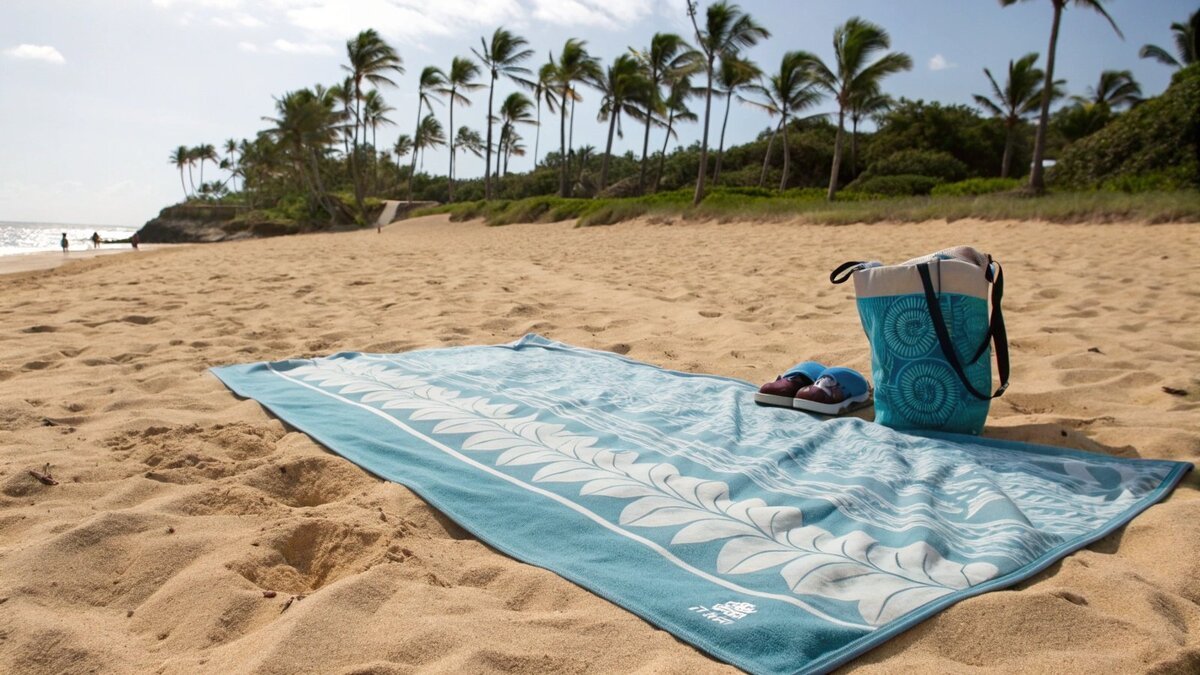
But the right size is just one part of creating a perfect beach towel for your brand. The real difference between a good product and a great one lies in the details—from fabric to function. You have to consider what truly separates a beach towel from the regular towel in your bathroom, and what qualities customers actually look for. So, are you ready to go beyond the basics? Let’s dive deeper into what makes a winning beach towel.
What’s the difference between a beach towel and a regular towel?
Thinking a simple bath towel will work at the beach? It’s a common mistake, but it leads to a bad experience with a towel that’s too small, too heavy, and traps sand.
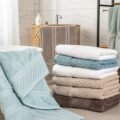
The main differences are size, thickness, and design. Beach towels are larger and thinner to dry quickly and shed sand easily. Bath towels are smaller, thicker, and more absorbent for drying off after a shower. Beach towels also feature vibrant, one-sided designs for style.
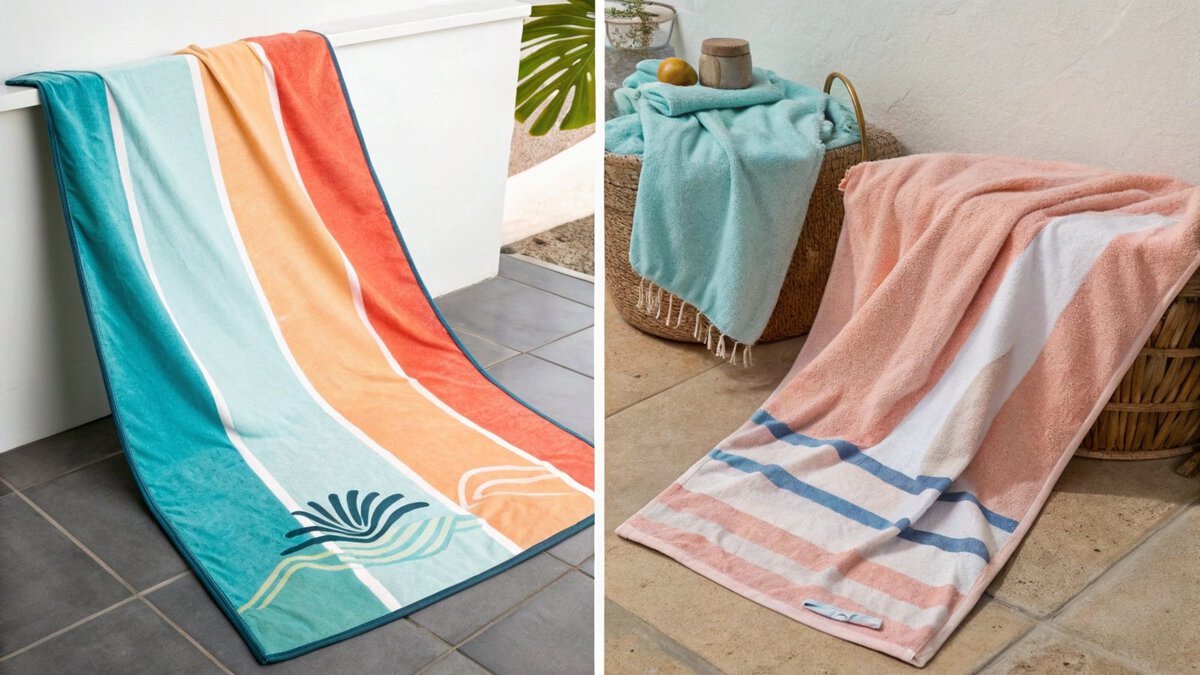
Over the years, I’ve seen brands try to market a standard bath towel for beach use. It almost never works. Customers complain that it’s heavy to carry, takes forever to dry in the sun, and becomes a sandy, wet mess. The construction is just different, and it’s built for a different purpose. We need to look at three key areas to really understand why.
Size and Thickness (GSM)
A bath towel is designed to hang neatly on a rack, while a beach towel needs to be big enough to lie on. This functional difference dictates their size. The thickness, measured in Grams per Square Meter (GSM), is also critical. A plush bath towel might be 500-700 GSM for maximum absorbency. A beach towel is typically lighter, around 350-500 GSM. This lower GSM helps it dry much faster and makes it less bulky.
Design and Function
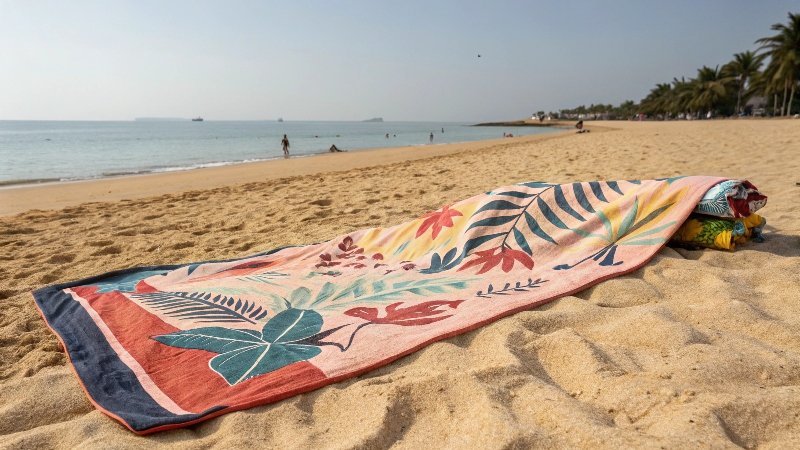
Bath towels are usually a solid color or have a simple woven pattern, with absorbent terry loops on both sides. Beach towels are a canvas for expression. They almost always have a printed design on one side. This side is often made of velour—where the cotton loops are sheared off to create a flat, soft surface. This velour finish not only feels great to lie on but also provides the perfect smooth base for vibrant, detailed reactive printing. The other side is left with terry loops to handle the job of drying you off.
The Bottom Line
Here’s a simple breakdown of the key differences:
| Feature | Beach Towel | Bath Towel (Regular Towel) |
|---|---|---|
| Typical Size | 30" x 60" (76 x 152 cm) or larger | 27" x 52" (70 x 130 cm) or smaller |
| Thickness (GSM) | 350-500 GSM (Thinner, quick-drying) | 500-700 GSM (Thicker, more absorbent) |
| Surface | One side velour (for printing/softness), one side terry (for absorbency) | Both sides terry loops (for absorbency) |
| Primary Use | Lounging, drying off outdoors, sand resistance | Drying off after a bath/shower indoors |
What is considered a big beach towel?
Your standard beach towel feels a bit small for some customers. This can lead to missed sales from people who want extra comfort or space for two. Offering an oversized option can capture this market.
A big beach towel, often called an oversized or jumbo towel, is usually 40 x 70 inches (100 x 180 cm) or even larger. These towels provide generous space for lounging, sharing with a partner, or wrapping up completely after a swim, offering a more luxurious feel.
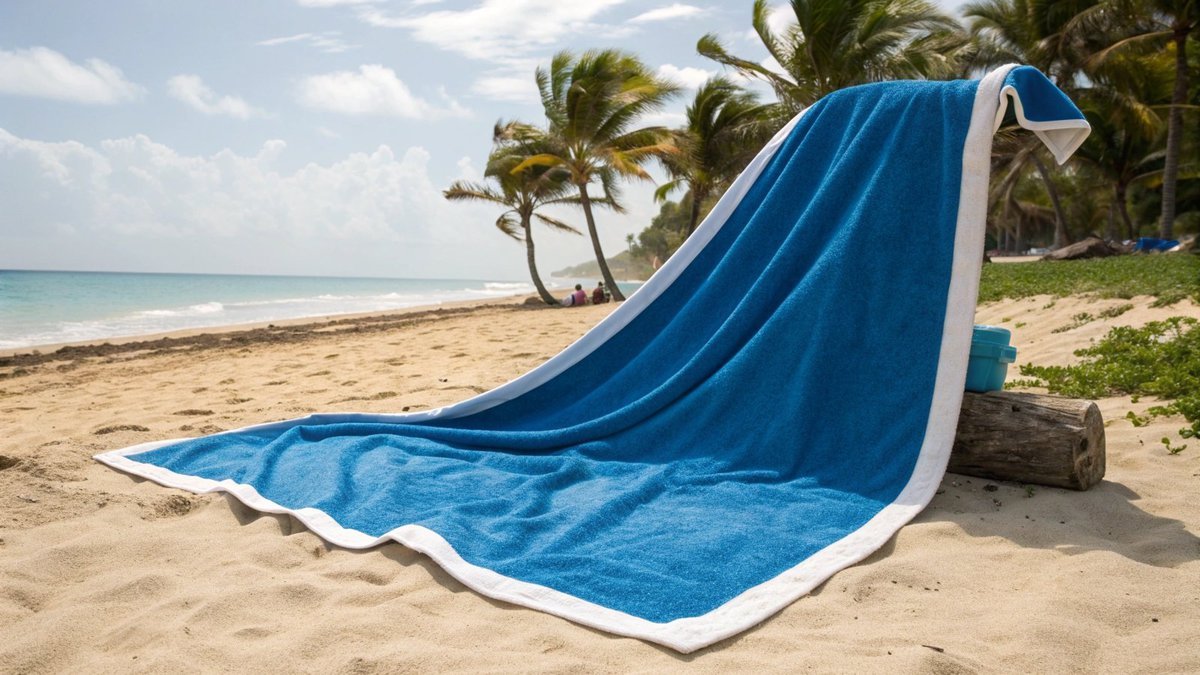
Offering an oversized option is a smart strategy for many brands we work with. It taps into a desire for premium comfort and utility that a standard towel can’t match. When a client is looking to expand their product line, a jumbo towel is one of the first suggestions I make.
Defining "Big"
While a standard towel gives one person enough room, it doesn’t offer much extra space. Oversized towels change that. Anything wider than 35 inches and longer than 65 inches enters this category. The most popular "big" size we manufacture is 40 x 70 inches, but we’ve made them as large as 40 x 80 inches for clients targeting a luxury or family market.
Target Audience
Who buys a big beach towel?
- Couples: They can share one towel instead of carrying two.
- Families: A large towel gives kids a clean, sand-free space to play or eat.
- Taller Individuals: People over 6 feet tall appreciate the extra length.
- Luxury Seekers: A bigger towel simply feels more indulgent and comfortable.
A few years ago, a client from Australia came to us with an idea for a "couples’ towel." We produced a 40 x 80-inch towel for them. It became their bestseller almost overnight because the marketing was spot on.
Manufacturing and Shipping Considerations
Of course, bigger towels use more material, which increases the unit cost. They also weigh more, which affects shipping costs. This is a crucial point for our clients. That’s why at TowelTrend, we provide an all-in, factory-to-door DDP quotation. We calculate the exact weight and volume to give you a clear final price, so you can set your retail price confidently and protect your profit margin.
| Towel Type | Common Dimensions (Inches) | Common Dimensions (cm) | Best For |
|---|---|---|---|
| Standard | 30" x 60" | 76 x 152 cm | Solo use, portability, teens |
| Oversized/Jumbo | 40" x 70" | 100 x 180 cm | Extra comfort, couples, families |
| Round | 60" Diameter | 152 cm Diameter | A statement piece, social gatherings |
What makes a great beach towel?
You’re sourcing towels, but you are not sure which features matter to customers. Choosing based on price alone can lead to bad reviews, unhappy customers, and costly returns. Focusing on key quality markers ensures a product people love.
A great beach towel perfectly balances four things: absorbency, quick-drying ability, sand resistance, and softness. It must be absorbent enough to dry you off but thin enough to dry quickly in the sun. A smooth velour finish helps sand shake right off.
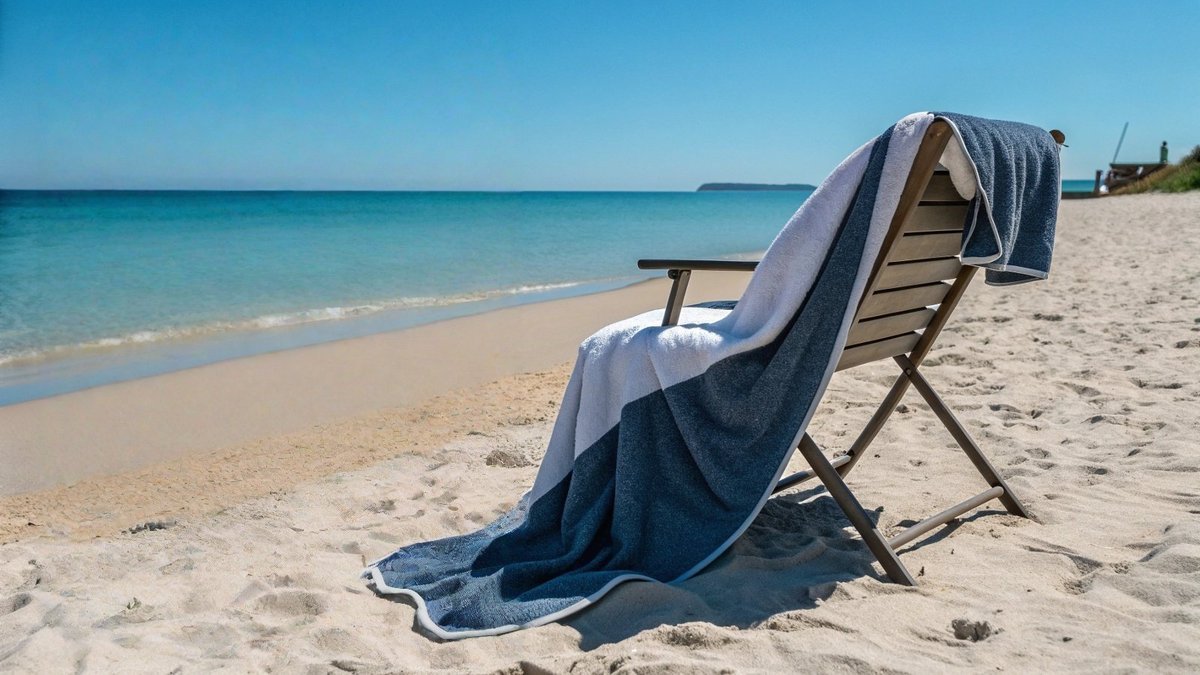
I can’t tell you how many times new clients come to us after a bad experience with another factory. They were promised a "premium" towel that ended up being thin, scratchy, or had colors that faded after one wash. A great beach towel is an investment in your brand’s reputation. Here is what I tell my clients to look for.
Absorbency vs. Quick-Drying
This is the central challenge in towel manufacturing. You want a towel that absorbs water, but a highly absorbent, thick towel will stay wet for hours. The solution is using high-quality cotton yarn in a weave that’s effective but not overly dense. A GSM of around 400-450 is often the sweet spot. It’s absorbent enough for a day at the beach but light enough to dry in the breeze.
The Magic of Sand Resistance
Nobody likes bringing the beach home with them. Sand resistance comes from the towel’s construction. This is where a velour surface shines. By shearing the tops of the terry loops, we create a flat, dense surface that sand can’t easily cling to. A quick, strong shake and the sand is gone. In contrast, sand gets trapped deep inside the loops of a standard two-sided terry towel.
Durability and Colorfastness
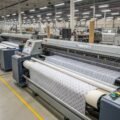
A beach towel lives a hard life—sun, salt, chlorine, and frequent washing. The colors need to last. The single most important factor here is the printing method. We use reactive printing, where the dye chemically bonds with the cotton fibers. This makes the print part of the fabric itself, so it won’t fade or peel. We verify this with in-house lab tests for every batch, including rub tests and wash tests, to guarantee colorfastness. This, combined with strong, double-stitched hems, ensures the towel looks great for years. Also, ensuring the fabric is OEKO-TEX certified gives your customers peace of mind that it’s free from harmful substances.
What is beach towel fabric called?
The terms ‘terry,’ ‘velour,’ and ‘microfiber’ can be confusing when you’re deciding on towels. But choosing the wrong fabric can hurt your product’s performance and disappoint your customers. Understanding these materials is key.
Most beach towels are made from cotton terry cloth. Often, one side is sheared to create a soft surface called velour, which is perfect for printing designs. Other popular fabrics include lightweight microfiber, which is sand-resistant, and luxurious Turkish cotton, known for its long fibers.
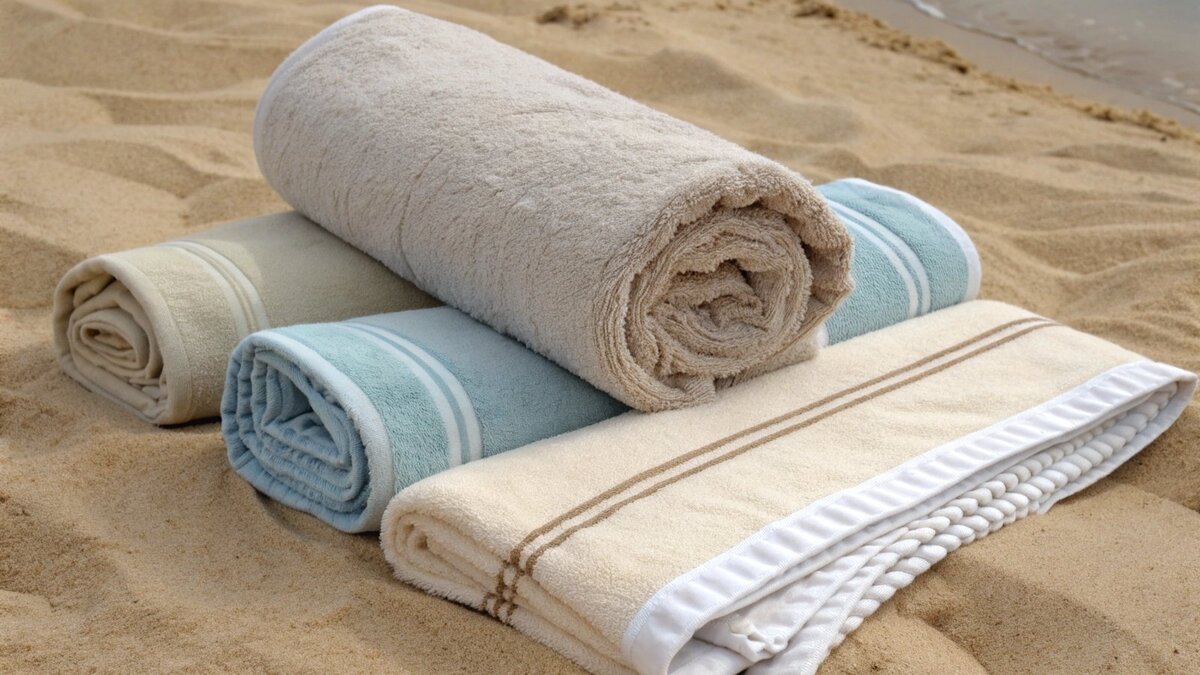
Since we started TowelTrend in 2004, I’ve worked with every towel fabric imaginable. Each has its place, but the choice always comes down to your brand identity and what your specific customer values most. Let me break down the most common options for you.
The Classic: Cotton Terry and Velour
This is the industry standard for a reason. It’s the perfect combination of performance and feel.
- Cotton Terry: This is the looped fabric you recognize on most towels. The loops create a large surface area, making it highly absorbent. On a beach towel, this is usually the side that faces down or touches your skin for drying.
- Cotton Velour: This is made by taking cotton terry and shearing the tops of the loops on one side. This creates a dense, velvety-soft surface. It feels luxurious to lie on and provides an unbeatable canvas for sharp, vibrant printing. For 90% of the brands we work with, a 100% cotton towel with one velour side and one terry side is the winning choice.
The Modern Choice: Microfiber
Microfiber towels are made from synthetic fibers, usually a polyester and polyamide blend.
- Pros: They are incredibly lightweight, compact, and dry extremely fast. Sand doesn’t stick to them at all. This makes them a favorite for travelers, backpackers, and minimalist beachgoers.
- Cons: Some people don’t like the feel of microfiber on their skin—it can feel a bit "sticky." It’s also less absorbent than cotton, so it’s not as effective for thoroughly drying off.
The Luxury Option: Turkish Cotton
Turkish and Egyptian cotton are known for their extra-long fibers.
- Pros: These long fibers create a towel that is exceptionally soft, strong, and becomes even softer with each wash. They are very absorbent but also dry surprisingly quickly compared to standard cotton.
- Cons: This is a premium material, so the cost is significantly higher. It’s best suited for high-end boutique brands or luxury hotel lines.
| Fabric | Key Benefit | Best For | Feel |
|---|---|---|---|
| Cotton Velour/Terry | Best balance of everything | All-purpose, retail brands | Soft, plush, classic |
| Microfiber | Ultra-lightweight, compact | Travel-focused brands, gyms | Smooth, grippy, synthetic |
| Turkish Cotton | Supreme softness, durability | Luxury brands, high-end gifts | Silky, lightweight, luxe |
Conclusion
Choosing the right beach towel means balancing size, material, and quality. Understanding these basics empowers you to source a product your customers will love and buy again.