Skip to content
Choosing the wrong towel color can hurt your sales and brand image. It’s a costly mistake that leaves you with unwanted inventory and missed opportunities.
To choose the right bathroom towel colors, you must align them with your brand identity, target market, and current trends. Consider classic neutrals for broad appeal, bold shades for statement pieces, and earthy tones for a spa-like feel. Test small batches to validate your choices first.
Towel color is much more than just a design choice; it’s a strategic business decision. The right color can increase perceived value, connect with your target customer, and ultimately drive sales. The wrong one can make your product forgettable. Over my years in the textile industry, I’ve guided countless brands through this exact decision. Let’s break down the most common questions I get from clients, so you can choose your colors with confidence.
What color should bathroom towels be?
Picking a "safe" color feels like the right move, but it can make your towels invisible in a crowded market. Your product line blends in and fails to grab attention.
The color of bathroom towels should match the environment and your brand’s goal. White and ivory suggest cleanliness and luxury, ideal for hotels. Earthy tones create a spa-like feel. Bright colors add personality and are great for retail brands targeting younger demographics.

Choosing a towel color is about defining the experience you want to offer your customers. It’s not a one-size-fits-all answer. Your choice directly influences how your brand is perceived. I always tell my clients to think about the end-user’s environment and their brand’s core message.
Matching Color to Brand Identity
Is your brand about high-end luxury, eco-conscious living, or vibrant fun? The color must reflect this. A brand that I worked with, aiming for a spot in luxury boutique hotels, initially considered a trendy mint green. I advised them to build their core collection around classic hotel white and a deep charcoal grey. The crisp white towels became their bestseller, perfectly reinforcing the hotels’ promise of pristine cleanliness. They later introduced mint green as a successful, limited-edition spa collection, but the foundation was built on colors that matched their core brand identity
Considering Your Target Market
Who are you selling to?
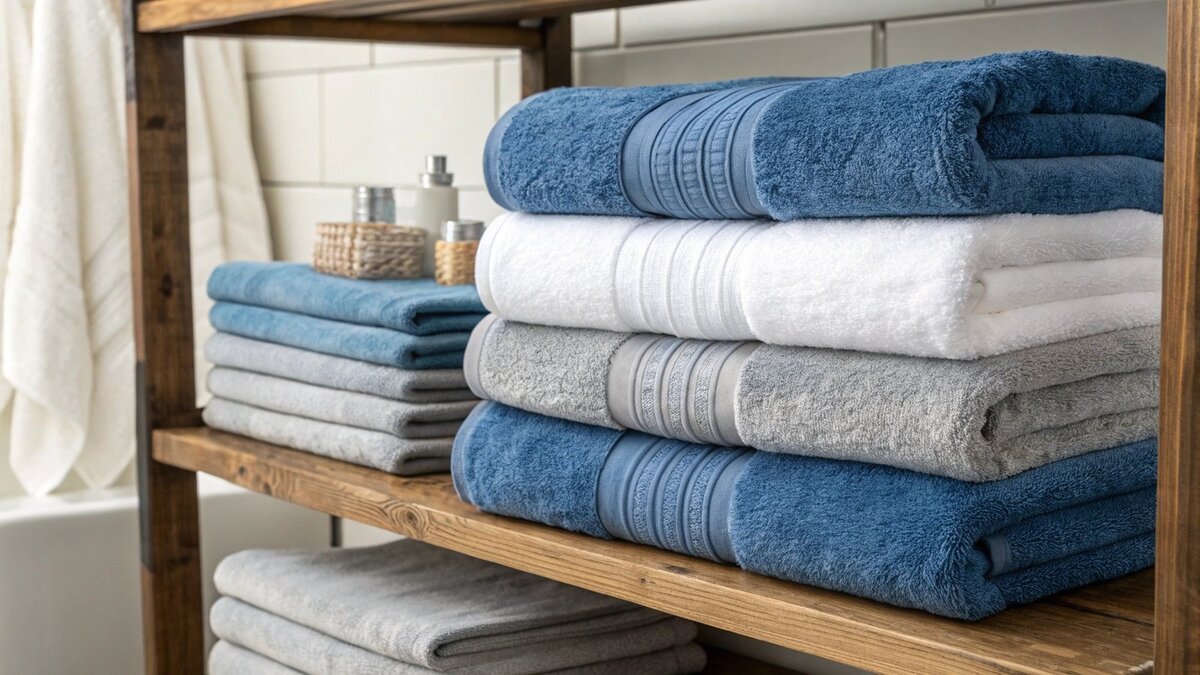
- Hotels & Spas: Stick to white, ivory, and deep greys. These colors signal cleanliness and are easier to manage with industrial laundering.
- Families & General Retail: Mid-tones like grey, taupe, and navy are practical. They hide stains well and have a broad appeal.
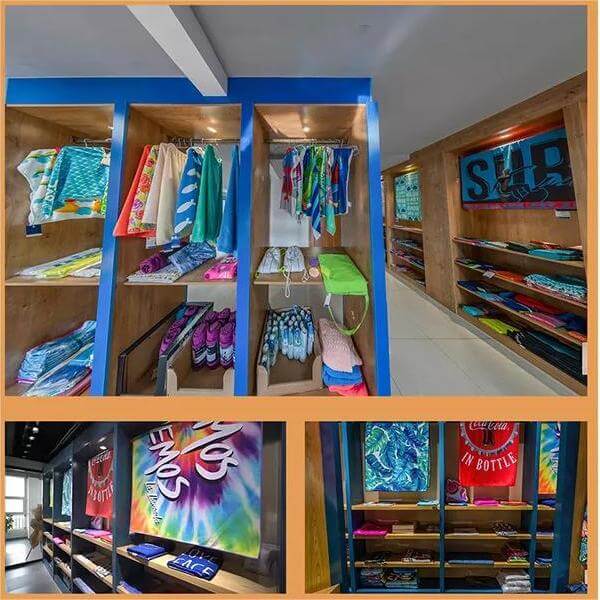
- Gen-Z & Youthful Brands: Don’t be afraid of color! Soft pastels, or even bold, saturated hues can capture attention on social media and reflect a fun, modern aesthetic.
At TowelTrend, our Pantone matching service is crucial for this. We can perfectly replicate a brand’s specific color palette, ensuring consistency across their entire product line.
What are the trending towel colors?
You see a trendy color blowing up on social media and you want to jump on it. But trends fade fast, and ordering a huge batch could leave you with dated stock.
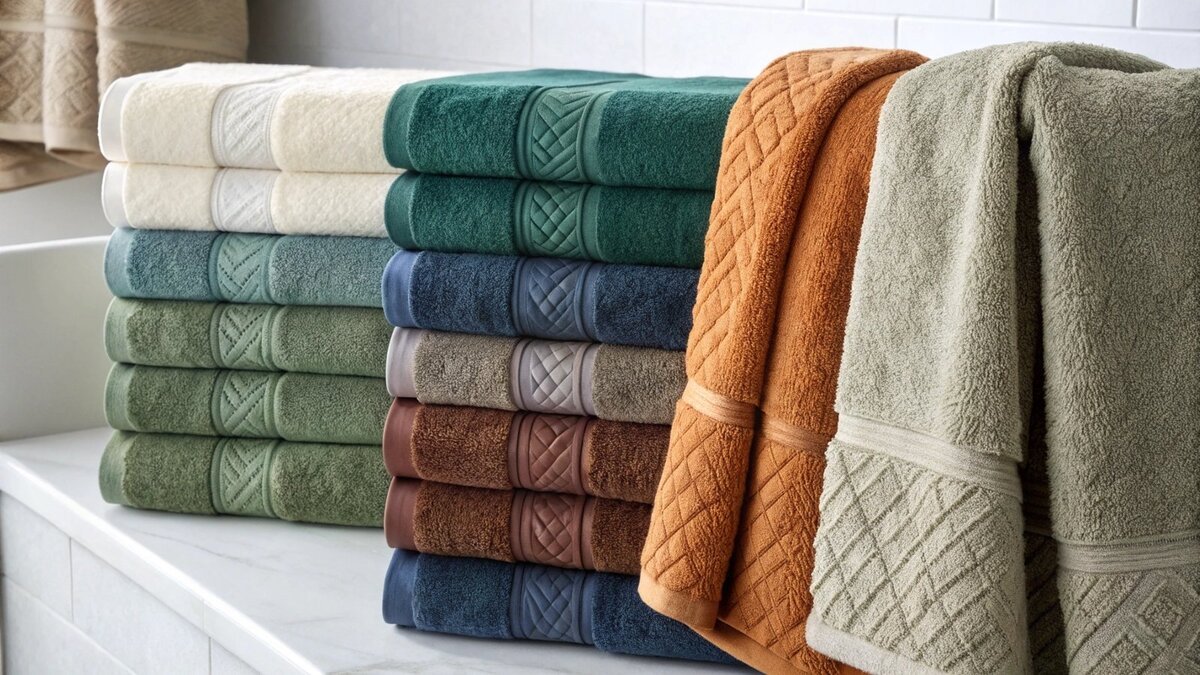
Trending towel colors for this year include earthy tones like terracotta, sage green, and warm beige. Deep, moody blues and charcoal greys also remain popular for a sophisticated, modern look. Soft pastels, such as dusty rose and lilac, are also gaining traction.

Following trends can be profitable, but you have to be smart about it. The key is to understand which trends have staying power and which are fleeting. At TowelTrend, we monitor color forecasts from agencies like WGSN to guide our clients. Our low 500-piece MOQ is perfect for testing a trendy color without a massive financial commitment. If it sells well, we can scale production in just 15 days.
Here’s a breakdown of the current trends I’m seeing:
Earthy and Grounded Tones
Colors inspired by nature continue to dominate. Think terracotta, ochre, sage green, and sandy beige. These tones create a sense of calm and wellness, making them perfect for brands with an eco-conscious or spa-focused message. They feel organic and authentic.
Moody and Sophisticated Hues
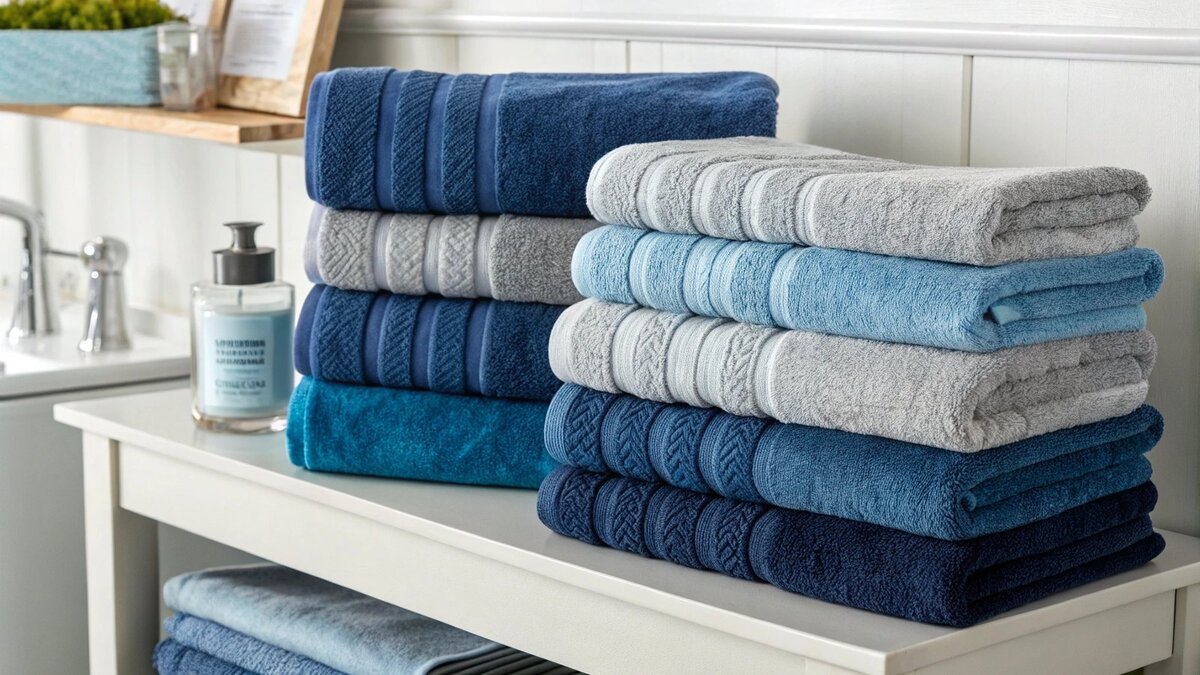
Deep, saturated colors like navy blue, forest green, and charcoal grey are timeless. They create a sense of drama and luxury, making a bathroom feel more intimate and high-end. These are excellent choices for premium brands that want to convey elegance and quality.
Soft and Playful Pastels
There is also a move towards softer, more optimistic colors. Dusty rose, soft lilac, and pale mint are becoming popular, especially with direct-to-consumer brands targeting a millennial or Gen-Z audience. They feel fresh, modern, and photograph beautifully for social media.
| Color Category | Examples | Best For | Longevity |
|---|---|---|---|
| Earthy Tones | Terracotta, Sage, Ochre | Spa, Wellness, Eco-conscious Brands | High |
| Moody Hues | Navy, Charcoal, Forest Green | Luxury, Boutique Hotel Brands | High |
| Soft Pastels | Dusty Rose, Lilac, Mint | Youthful, Modern, Seasonal Brands | Medium |
What color towels look expensive?
You want your towels to scream "luxury," but your budget isn’t unlimited. The wrong color can make even the highest quality cotton look cheap, undermining your premium branding.
White is the ultimate luxury towel color, associated with high-end hotels and spas for its crisp, clean look. Other colors that look expensive include deep charcoal grey, navy blue, and rich, dark neutrals like espresso. These shades convey sophistication and elegance.

Certain colors have a psychological association with value. They don’t need to shout to be noticed; their presence is enough. Choosing one of these colors can instantly elevate the perceived value of your product. From my experience manufacturing towels for dozens of luxury brands, the focus is always on creating a sense of understated elegance.
The Psychology of Luxury Colors
White: This is the gold standard. Why? Because it implies a level of care that is itself a luxury. White towels must be kept perfectly clean, which suggests a high standard of maintenance, whether in a hotel or a home. It represents purity and flawlessness.
Charcoal Grey & Navy: Dark, muted tones feel serious and sophisticated. They absorb light, creating a sense of depth and richness. Unlike bright colors that demand attention, these shades are confident and calm. They are the color equivalent of a well-tailored suit.
Rich Browns: Colors like espresso or deep taupe can also feel very upscale, especially when they have a complex, heathered look. They evoke natural, expensive materials like dark wood and leather.
Beyond Color: Texture and Weight
But color alone is not enough. A flimsy, see-through white towel will never look expensive. The color must be paired with quality materials. I remember a client launching a product for five-star hotels. We didn’t just dye the towels a stock charcoal grey. We developed a custom shade and used a high-weight, 700 GSM Turkish cotton with a unique dobby border. The combination of the deep, uniform color and the substantial, plush feel created a product that commanded a premium price.
What color towels are easiest to keep clean?
Customers complain that their beautiful new towels look stained or faded after a few washes. This leads to bad reviews and hurts your brand’s reputation for quality and durability.
Medium shades like grey, taupe, and light blue are generally the easiest to keep clean, as they effectively hide minor stains and lint. While white towels can be bleached, they show every single mark. Very dark towels can show lint, bleach spots, and fading.

As a manufacturer, I understand that a towel’s life doesn’t end when it’s sold. Its durability and ease of care are part of the product’s quality. Choosing a practical color can lead to higher customer satisfaction and fewer complaints. This is a topic I discuss with almost every client, especially those selling directly to consumers for home use.
The Practicality of Mid-Tones
Medium tones are the workhorses of the towel world. A mid-tone grey, beige, or dusty blue is incredibly forgiving. It won’t show a small makeup smudge or a bit of lint as dramatically as a pure white or black towel would. This makes them an excellent choice for family-use towels, gym towels, or any product where practicality is a key selling point. The main drawback is that you cannot use bleach on them, which can cause spotting.
The Truth About White and Dark Towels
White Towels: People assume they are easy to clean because they can be bleached. This is true for stain removal but deceptive overall. They show every speck of dirt, can yellow over time if not laundered correctly, and makeup stains can be stubborn even with bleach. They are best for hospitality clients with access to industrial-strength laundry services.
Dark Towels: A dark navy or black towel seems practical, but it has its own issues. It shows lint and dust very clearly. Worse, if washed with any product containing benzoyl peroxide (common in acne treatments), it can result in permanent orange bleach spots. Most importantly, poor quality dyes will fade quickly, especially along the edges, making the towel look old and cheap. That’s why we use high-grade reactive dyes at TowelTrend, which bond with the cotton fibers to ensure our dark towels maintain their deep color wash after wash.
| Color | Pros | Cons | Best Use Case |
|---|---|---|---|
| White | Can be bleached to remove stains | Shows every mark, can yellow over time | Hotels, with industrial laundry |
| Mid-Tones | Hides stains and lint well | Bleach may cause spotting | General retail, family homes, gyms |
| Darks | Hides dark stains (e.g., makeup) | Shows lint, bleach spots, can fade | Boutique brands, designer bathrooms |
Conclusion
Choosing the right towel color balances brand identity, market trends, and practical care. Get it right, and you create a product that looks great, sells well, and lasts.