Skip to content
Struggling with puckered, messy embroidery that cheapens your towels? This ruins your brand’s premium image. The secret to a flawless finish lies in the right towel and technique.
The key to professional machine embroidery on towels is selecting a dense, 100% combed cotton towel, preferably with a velour finish. Always use a cut-away backing stabilizer and a water-soluble topping to prevent puckering and stitch sinking. This ensures a crisp, durable, and high-end result.
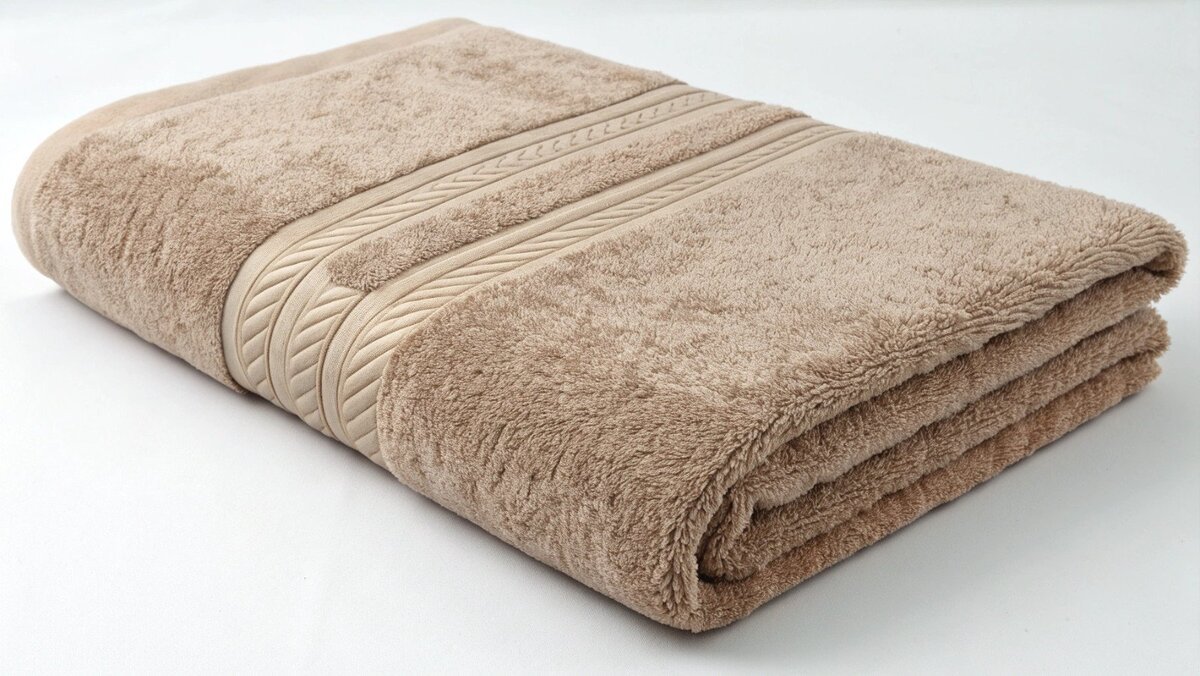
Getting that perfect embroidered finish is a goal for many brands I work with at TowelTrend. A beautifully embroidered logo can elevate a simple towel into a premium product. But a poor job does the exact opposite, making your brand look amateur. After years of guiding clients through this process, I’ve seen what works and what doesn’t. The journey to a perfect embroidered towel begins long before you thread the machine. It starts with choosing the right canvas. Let’s break down what you need to know to get it right every time.
What is the best towel to embroider on?
Your embroidery looks messy and unprofessional. It makes your high-end towels look cheap, hurting your brand. The towel fabric itself is the secret to a clean, impressive design.
The best towels for embroidery are made from 100% combed cotton with a high density (at least 550 GSM). A towel with a sheared or velour finish provides an even smoother surface, preventing the design from sinking into the pile and ensuring a crisp, professional look.
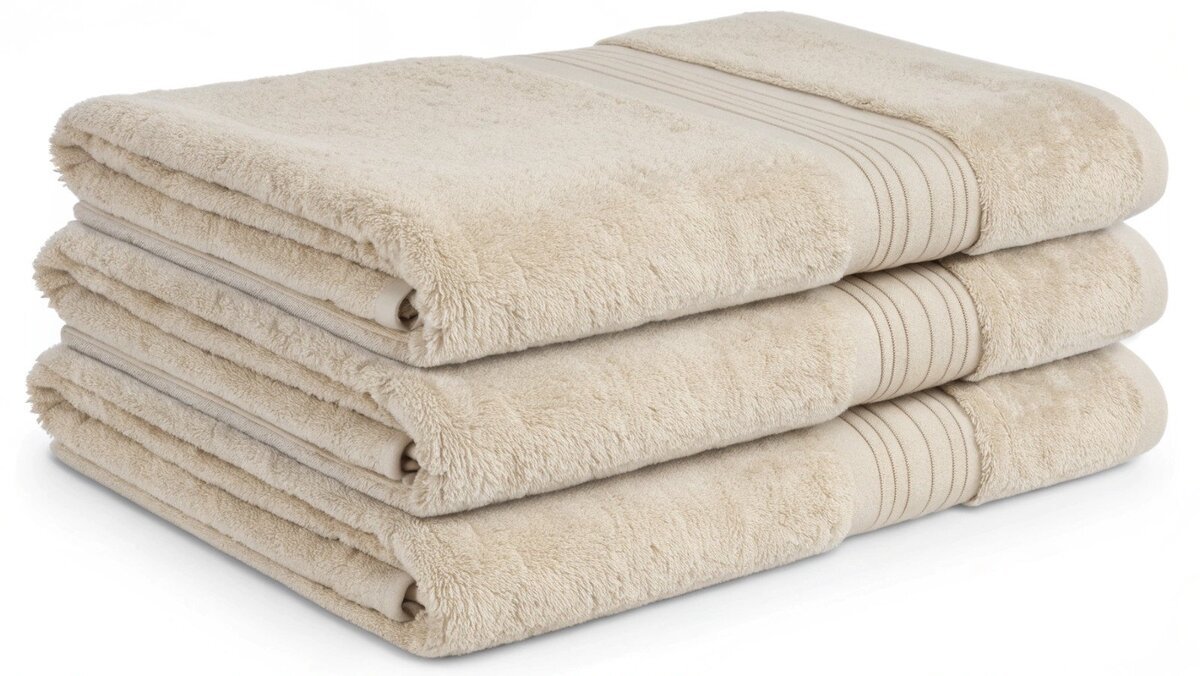
When a client wants to add a logo to their towels, the first thing I ask is, "What kind of towel are you using?" The material is the foundation of a good embroidery job. A flimsy, low-pile towel will almost always lead to disappointment. The fabric puckers, and the design looks sparse because the threads sink into the loose weave. From my experience in manufacturing since 2004, the choice of towel is non-negotiable for a premium outcome.
Why Material and Weave Are Critical
The structure of the towel directly impacts how well it holds stitches. A dense fabric provides the stability needed for the needle to create clean, sharp lines without pulling the surrounding material.
- Combed Cotton: This is my top recommendation. The combing process removes shorter fibers, resulting in a stronger, smoother yarn. This creates a more stable surface for embroidery than standard carded cotton.
- Velour Finish: Velour towels are terry towels where the loops on one side have been sheared off. This creates a plush, flat surface that is absolutely ideal for embroidery. The logo sits cleanly on top instead of getting lost in the loops.
Towel Quality for Embroidery: A Comparison
To make it simple, I’ve created a table to show how different towel types perform. This is the same advice I give to purchasing managers trying to decide on their product line.
| Towel Type | Weave Density | Embroidery Suitability | Why? |
|---|---|---|---|
| Combed Cotton (Velour) | High | Excellent | Smooth, stable surface. Stitches sit cleanly on top. The gold standard. |
| Combed Cotton (Terry) | High | Very Good | Dense loops provide good support, but a topping is essential to prevent sinking. |
| Ring-Spun Cotton (Terry) | Medium-High | Good | Softer than standard cotton, but may require more stabilization to prevent puckering. |
| Standard Terry Cotton | Low-Medium | Fair | Loose loops and less stable weave. High risk of puckering and a messy look. Not recommended for premium branding. |
Choosing a 600 GSM combed cotton towel over a 400 GSM standard one might seem like a small detail, but for embroidery, it’s the difference between a product that sells and one that gets returned.
How to machine embroidery on towels?
Your embroidery machine is creating puckered designs. This wastes inventory and causes delays, costing you money. Following a few key preparation steps will guarantee a perfect stitch-out every time.
To properly machine embroider on towels, you must use two types of stabilizers. Place a water-soluble film (topping) on top of the towel and a cut-away stabilizer underneath. This combination prevents stitches from sinking and the fabric from puckering, creating a clean, professional logo.
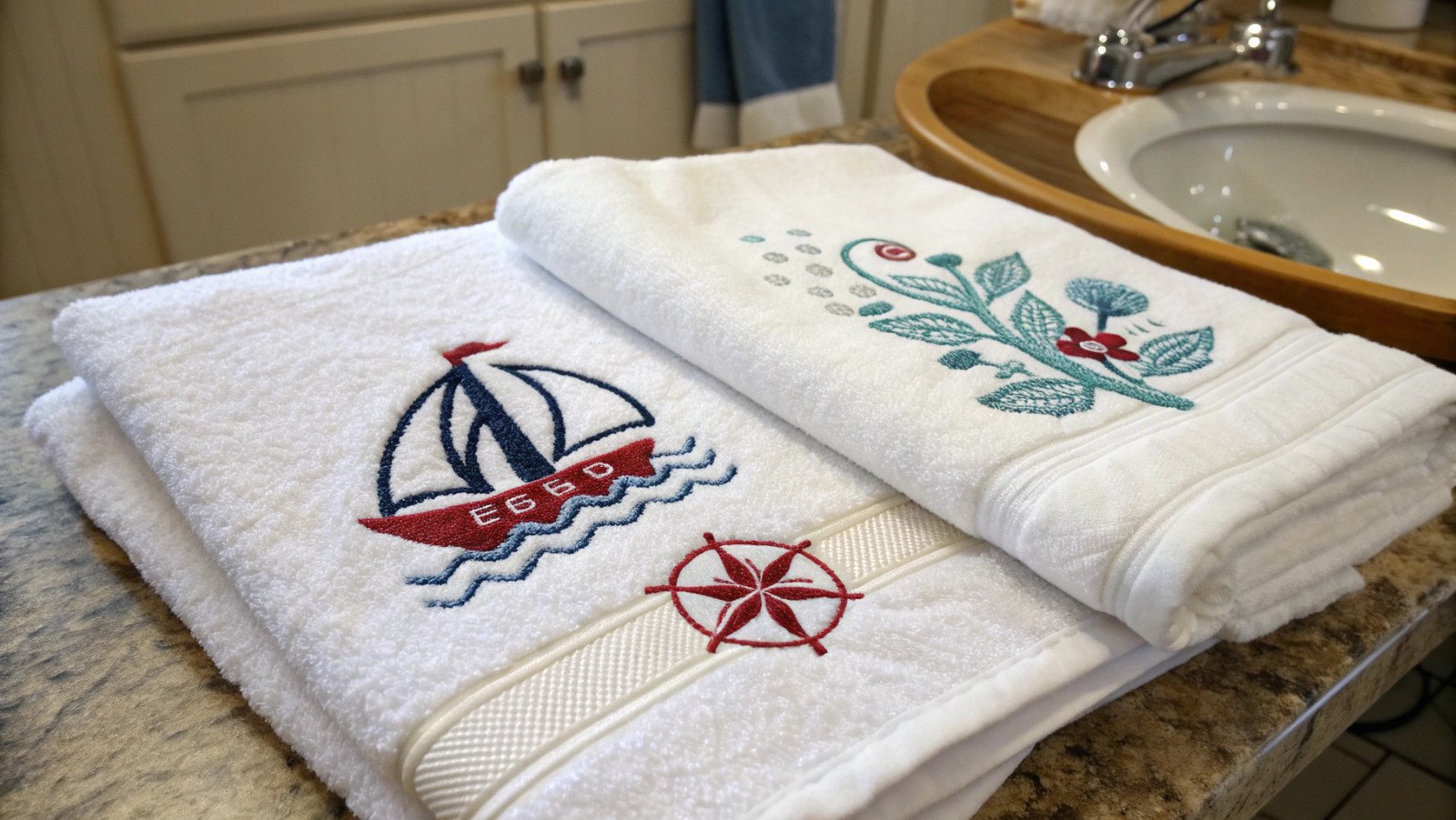
I remember a new client who was frustrated because their embroidered logos looked terrible. They were embroidering directly onto the towel, and the terry loops were swallowing the stitches. They thought their machine was the problem. I explained that for a thick fabric like a towel, you need to create a stable, smooth sandwich for the machine to work on. It’s not just about the machine; it’s about the preparation. We sent them samples of the correct stabilizers, and it completely solved their issue. This is a fundamental step that many people overlook.
The Three Pillars of Towel Embroidery
Getting a clean stitch-out on a plush surface comes down to three things: stabilizing the fabric, using the right tools, and optimizing your machine settings.
1. The Stabilizer Sandwich
This is the most crucial part. A towel is a stretchy, textured knit, which is a difficult surface for embroidery.
- Topping (Water-Soluble Stabilizer): This is a thin, clear film you place on top of the towel. It creates a smooth surface and prevents the embroidery stitches from sinking into the terry pile. After stitching, it washes away with water, leaving only the crisp design.
- Backing (Cut-Away Stabilizer): This is a non-woven fabric you place underneath the towel. For stretchy fabrics like towels, a "cut-away" type is essential. It remains with the towel permanently and provides support during and after stitching, preventing puckering even after many washes. Don’t use "tear-away" backing; it doesn’t provide enough long-term support.
2. Hooping and Needles
- "Floating" the Towel: Don’t press the towel tightly into the hoop. This can crush the pile and leave a permanent "hoop burn" mark. Instead, hoop only the cut-away stabilizer. Then, use a temporary spray adhesive to stick the towel onto the hooped stabilizer. This is called floating.
- Needle Choice: Use a sharp 75/11 or 80/12 embroidery needle. A sharp point pierces the fabric cleanly, which is better for the dense weave of a quality towel.
3. Machine Settings
- Reduce Speed: Slow down your embroidery machine. Stitching too fast on a thick pile can lead to thread breaks and less precise stitches.
- Increase Density (Slightly): In your embroidery software, you may need to slightly increase the stitch density or use a "knockdown stitch" setting. A knockdown stitch is a light grid of stitches that goes down first to flatten the terry loops before your main design is applied.
By treating the preparation with as much care as the embroidery itself, you turn an unpredictable process into a reliable manufacturing step.
Why is embroidery dying out?
You hear that embroidery is becoming outdated. This makes you question if you’re investing in a branding method that is losing its appeal. The truth is, it’s not dying, it’s just becoming more exclusive.
Embroidery isn’t dying out; it’s evolving into a premium niche. While fast fashion favors cheaper, faster printing methods, high-end hospitality, corporate, and luxury brands continue to choose embroidery for its unmatched durability, texture, and perceived value. It signals quality and longevity.

It’s a question I get from time to time, especially from brands focused on fast-moving digital trends. They see printing everywhere and wonder if embroidery is still relevant. My answer is always the same: it depends on who you’re selling to and what your brand stands for. A client selling promotional towels for a one-time event might choose printing for its low cost. But a boutique hotel client aiming for a five-star guest experience will always choose embroidery. It’s a physical signal of quality that a guest can see and feel. The market for embroidery hasn’t vanished; it has become more concentrated at the premium end.
Embroidery’s Place in Modern Branding
Embroidery is not competing with printing; it’s serving a different purpose. It’s about communicating permanence and value. When a brand invests in embroidery, it says, "This product is built to last."
Key Advantages in a Premium Market
- Durability: An embroidered logo will outlast the towel itself. It withstands hundreds of wash cycles without fading or peeling, which is critical in commercial settings like hotels and spas. Printed logos, on the other hand, can crack and fade over time.
- Tactile Quality: You can feel the texture and dimension of an embroidered design. This tactile experience creates a powerful connection with the user and elevates the perceived value of the product.
- Professionalism: For corporate branding, an embroidered uniform or gift communicates a higher level of investment and professionalism than a printed one. It’s a classic look that never goes out of style.
How Embroidery Compares to Other Methods
Here’s a simple breakdown I use to help clients decide on the best customization method for their needs.
| Method | Best For | Key Weakness | Perceived Value |
|---|---|---|---|
| Embroidery | Lasting brand quality, luxury feel | Higher cost per unit on small runs | High |
| Screen Printing | Large volume, low-cost promotions | Fades/cracks over time, stiff feel on towels | Low-Medium |
| Jacquard Weave | Fully custom, integrated designs | High MOQ and development cost | Highest |
| Debossing | Subtle, tonal branding on velour | Only works on sheared/velour towels | Medium-High |
So, is embroidery dying? Absolutely not. It’s thriving in markets where durability, quality, and a premium feel are more important than the lowest possible cost. It has secured its place as the go-to choice for brands that want to make a lasting impression.
How big should an embroidery be on a towel?
Your logo either looks lost on the towel or is so big it looks awkward. This sizing mistake makes your entire product look unprofessional. The solution is to follow standard industry guidelines for placement and scale.
For a hand towel, a logo is typically 2 to 2.5 inches wide, placed about 2 inches above the bottom hem. On a bath towel, a standard logo size is 3 to 4 inches wide, placed 3 to 4 inches above the hem or decorative border (dobby).
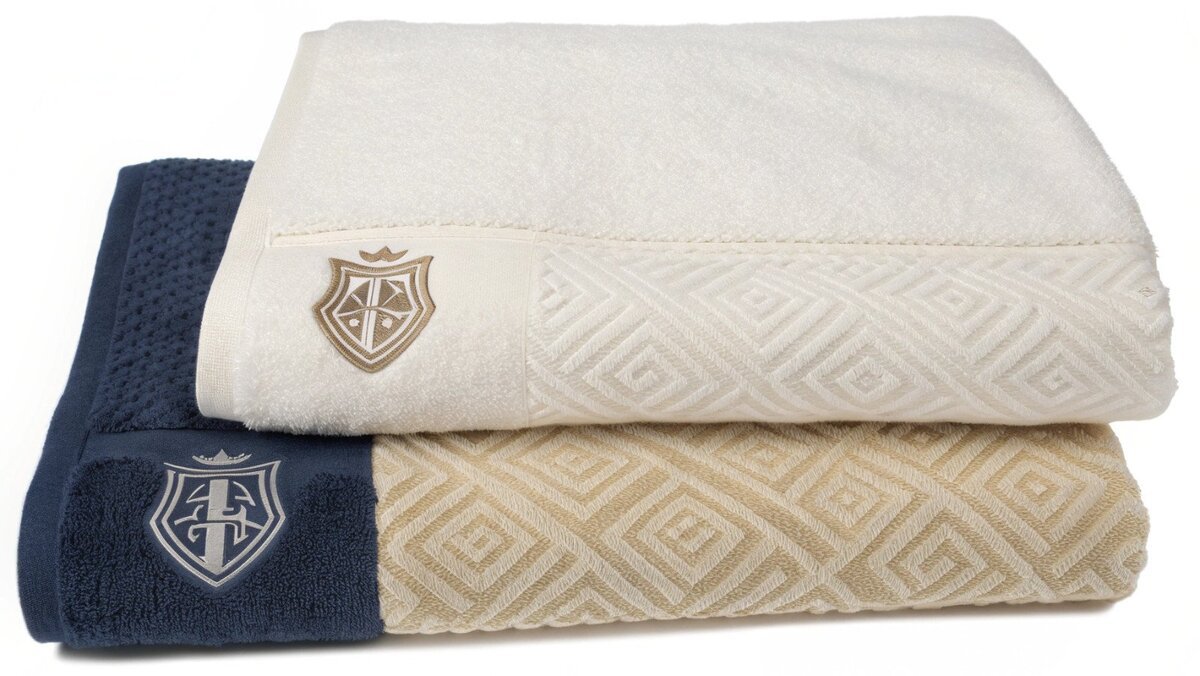
Sizing and placement are the final touches that can make or break the design. I’ve seen beautifully crafted towels undermined by a logo that’s too small and timid or one that’s comically large. One of the services we offer at TowelTrend is creating digital mockups for clients. This helps them visualize the scale before we ever run a single stitch. It avoids costly mistakes and ensures the final product looks balanced and professional. Getting the proportions right is just as important as the quality of the stitching itself.
Standard Placements for a Professional Look
While there is room for creativity, there are industry-standard placements that are proven to work. These are based on how towels are typically folded and hung. The goal is for the logo to be visible and centered. All measurements are from the finished bottom edge of the towel.
1. Placement Above the Hem
This is the most common placement. The logo sits in the flat-woven area just above the main terry pile or directly on the pile itself.
- Washcloth (12×12”): Place the center of the design 1 to 1.5 inches up from the bottom hem.
- Hand Towel (16×30”): Place it 1.5 to 2 inches up from the bottom hem.
- Bath Towel (30×56”): Place it 3 to 4 inches up from the bottom hem.
2. Placement Above the Dobby Border
Many towels have a decorative band called a dobby border. Placing the logo just above this border creates a natural and visually appealing frame.
- The rule is simple: Position the bottom of your embroidery about 0.5 to 1 inch above the top of the dobby border.
Sizing Your Logo for Different Towels
The size of the logo should be proportional to the size of the towel. A one-size-fits-all approach doesn’t work.
| Towel Type | Recommended Logo Width | Notes |
|---|---|---|
| Washcloth | 1.5 – 2 inches | Keep designs simple. Intricate details will be lost. |
| Hand Towel | 2 – 2.5 inches | The standard for most corporate and hotel hand towels. |
| Bath Towel | 3 – 4 inches | A good size that is noticeable without being overwhelming. |
| Bath Sheet | 3.5 – 5 inches | The larger canvas allows for a slightly larger, more prominent logo. |
A final tip I always give clients: consider your logo’s complexity. A simple, bold wordmark can be smaller, while a detailed crest may need to be larger to ensure all its elements are clear and legible. Always run a test stitch-out to confirm the size and placement before committing to a full production run.
Conclusion
Mastering towel embroidery is simple. Use a quality combed cotton towel, proper stabilizers, understand its premium value, and apply standard sizing. This ensures a professional, durable, and impressive result every time.