Skip to content
Are your towels feeling less fluffy and not absorbing water like they used to? This decline in quality can disappoint customers and reflect poorly on your brand’s standards.
A high-quality bath towel generally lasts between 2 and 5 years. The exact lifespan depends heavily on the material’s quality, how frequently it is used, and the washing methods. Premium cotton towels that receive proper care will always last longer than lower-quality alternatives.

But that 2-to-5-year window is quite broad. What truly determines if a towel has reached the end of its useful life? As a towel manufacturer, I’ve seen firsthand what separates a towel that lasts from one that fails prematurely. The answer lies in the material, the signs of wear, and how you care for it. Let’s look closer at the specifics so you can make smarter purchasing and replacement decisions for your business.
What is the lifespan of a bath towel?
You’re trying to budget for your hotel or retail brand. You need to know how long your towel investment will last to manage your finances effectively and avoid surprises.
A typical bath towel’s lifespan is 2-5 years. However, for a commercial setting like a hotel with constant use and harsh industrial laundering, you should plan to replace them every 1-2 years. For home use, a well-made towel can easily last up to 5 years.

Over the years at TowelTrend, I’ve guided countless clients through this exact question. The lifespan of a towel isn’t just a number; it’s a direct result of specific choices made during manufacturing. Three factors are critical: the material, the weight (GSM), and the construction.
Material Matters Most
The type of fiber is the foundation of a towel’s durability. 100% cotton is the industry standard for a reason. It is naturally absorbent, soft, and strong. Premium cottons like Egyptian or Pima have longer fibers, which create a smoother, stronger, and more durable yarn. In contrast, polyester-cotton blends may be cheaper upfront, but they lack the absorbency and plush feel of pure cotton. I’ve seen brands choose a blend to save a few cents per unit, only to face a wave of customer complaints about poor performance less than a year later.
GSM and Construction
GSM, or Grams per Square Meter, measures the towel’s density.
- 300-400 GSM: Lightweight, thin, and dry quickly. Best for gym or kitchen towels.
- 400-600 GSM: Medium weight, good for bath or guest towels.
- 600-900 GSM: Heavy, plush, and highly absorbent. These are luxury towels that are also the most durable.
A client once insisted on a 400 GSM towel for their boutique hotel to cut initial costs. After just six months of daily washing, the towels were already feeling thin and scratchy. We then produced a 650 GSM 100% cotton towel for them. Two years later, those towels are still soft, absorbent, and performing beautifully. The lesson is clear: investing in higher quality from the start delivers better long-term value.
| Towel Quality | Material | GSM Range | Typical Lifespan (Commercial Use) |
|---|---|---|---|
| Economy | Cotton/Poly Blend | 300-400 | 6-12 months |
| Standard | 100% Standard Cotton | 400-600 | 1-2 years |
| Premium | 100% Pima/Egyptian Cotton | 600-900 | 2-3+ years |
When should you throw out a towel?
You’re looking at a towel that seems a bit old, but is it really "bad"? Holding on too long means poor hygiene and a bad user experience for your guests.
You should throw out a towel when it stops absorbing water, feels rough and scratchy, shows visible fraying or holes, or keeps a musty smell even after a fresh wash. These are all clear indicators that the cotton fibers have broken down permanently.
It’s easy to get attached to inventory, but in the towel business, function must win over sentiment. A worn-out towel is more than just an aesthetic problem; it’s a performance and hygiene failure. As a manufacturer, we see the end-of-life stage for thousands of towels. Here are the definitive signs that it’s time to replace your stock.
The Absorbency Test
A towel has one main job: to absorb water. When the fibers are worn down, they lose this ability. You can test this easily. If you spill a bit of water on a counter and the towel just pushes the water around instead of soaking it up, it has failed the test. This often happens because of fiber damage or a waxy buildup from using too much fabric softener over time. For a hotel or gym, a non-absorbent towel is a primary customer complaint.
Visual and Olfactory Clues
Your eyes and nose are excellent quality control tools.
- Fraying Edges: Look at the hems. Are threads coming loose? Are the edges curling or falling apart? This is where towels often show their age first.
- Thinning Patches: Hold the towel up to a light. If you can see through it in spots, the terry loops have worn away. The towel is officially becoming threadbare.
- Lingering Smell: This is the most critical sign. If a towel comes out of the dryer with a faint musty or sour smell, it means bacteria and mold have taken root deep within the fibers. At this point, no amount of washing will truly sanitize it. I was once doing a quality check for a large gym chain and discovered their older towels had this exact problem. It was caused by built-up residue from sweat and lotions that normal washing couldn’t remove anymore. For any business concerned with hygiene, this is a non-negotiable reason for replacement.
Do towels expire or go bad?
The word "expire" sounds odd when talking about a towel. It’s not food, so does it really have a use-by date? Thinking towels can last forever is a costly mistake.
Towels do not "expire" with a set date, but they absolutely "go bad" as their fibers degrade from use and washing. This gradual breakdown makes them less absorbent, thinner, and rougher. It’s a natural process of wear and tear, not a sudden expiration.

Towels don’t have a ticking clock, but they do have a finite number of uses before they degrade. Understanding this process of decay is key to managing your inventory and ensuring your brand’s quality promise is met. The "expiration" of a towel happens at a microscopic level, one wash cycle at a time.
The Fiber Breakdown Process
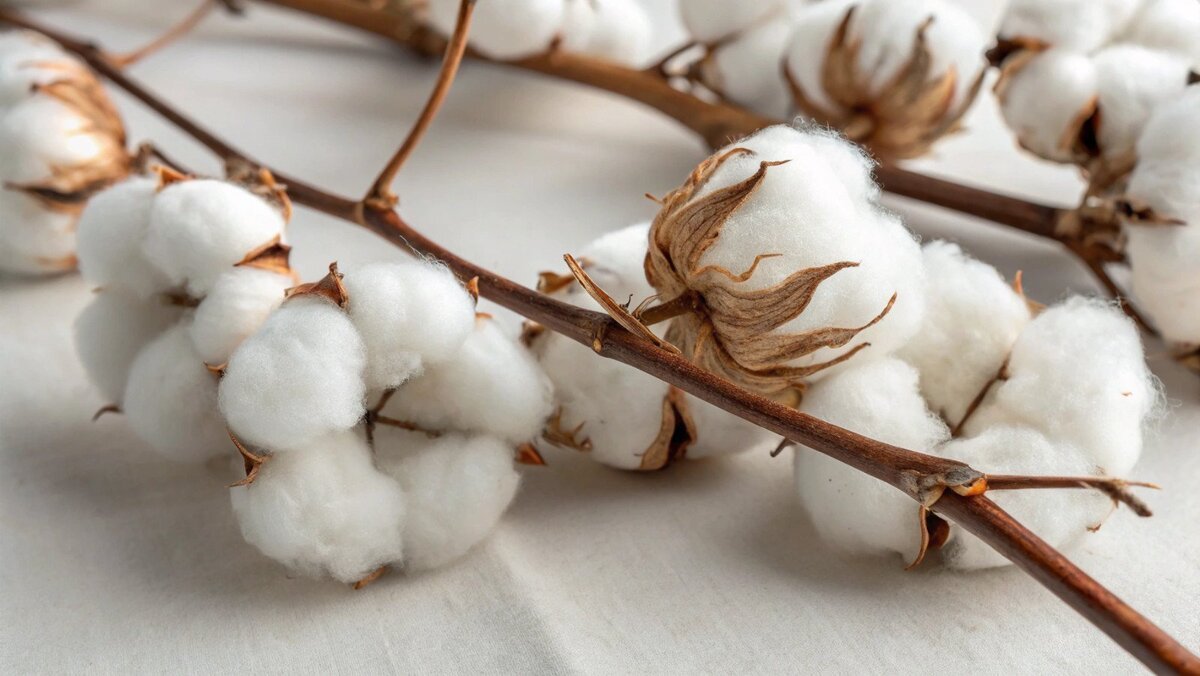
A towel’s fluffiness and absorbency come from its thousands of tiny cotton loops, known as terry cloth. Every time you wash and dry a towel, the combination of friction, water, and heat puts stress on these delicate fibers. The loops get abraded, causing individual fibers to shorten and break. Over dozens of cycles, this leads to a noticeable difference. The towel feels less soft, looks less plush, and, most importantly, has less surface area to absorb moisture. This is the physical process of a towel "going bad."
The Role of Washing and Drying
How you care for your towels has the biggest impact on how quickly they degrade.
- Harsh Detergents & Bleach: Chlorine bleach is very effective at whitening, but it’s also extremely harsh on cotton fibers, causing them to weaken and break down faster.
- Fabric Softeners: These products work by coating fibers with a thin, waxy layer to make them feel softer. However, this coating repels water, destroying the towel’s absorbency over time.
- High Heat: Drying towels on a high heat setting can essentially "cook" the cotton fibers, making them brittle and scratchy.
I always provide our clients with care instructions to pass on to their customers. We once had a retail brand report that their towels were becoming non-absorbent after just a few months. After some investigation, we found their recommended care label suggested washing with a popular fabric softener. By simply advising them to remove that step, we solved the "defect" and helped them protect their brand reputation.
| Practice | Effect on Towel Lifespan |
|---|---|
| Good: Wash in Warm Water | Gently cleans without excessive damage to fibers. |
| Bad: Wash in Hot Water | Causes fibers to break down faster and can lead to shrinkage. |
| Good: Use Vinegar Occasionally | Strips away residue from detergents and softeners, restoring absorbency. |
| Bad: Use Fabric Softener | Coats fibers, reduces absorbency, and can trap bacteria. |
| Good: Tumble Dry on Low/Medium | Protects fibers from becoming brittle and helps maintain softness. |
| Bad: Tumble Dry on High | "Bakes" the cotton, making it scratchy and weak over time. |
How long should towels be kept?
You need a straightforward rule for your business to know when it’s time to restock. Keeping towels too long can damage your brand image, but replacing them too soon hurts your budget.
Towels should be kept based on their condition and usage level. For personal use, plan to replace them every 2-5 years. For commercial businesses like hotels or gyms, a stricter replacement cycle of 1-2 years is the standard due to heavy, continuous use.
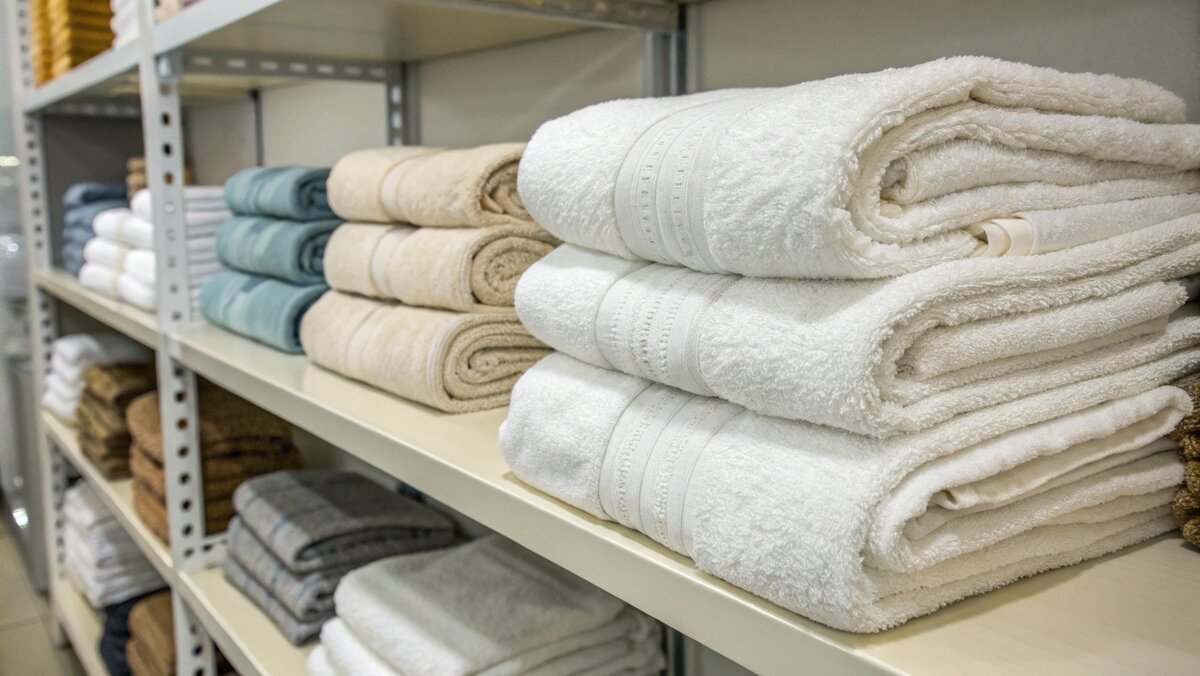
Creating a clear replacement schedule is one of the smartest operational decisions you can make. It removes guesswork, ensures a consistent customer experience, and allows you to budget for new inventory effectively. At TowelTrend, we help businesses establish these cycles based on their specific needs, turning a reactive expense into a predictable investment.
Replacement Schedules for Businesses
The right schedule depends entirely on your industry and the level of wear you expect.
- Hotels: With daily laundering, often using harsh chemicals, towels see intense wear. A 1-2 year cycle is typical. Guest-facing towels in premium rooms should be on the shorter end of this cycle to maintain a luxury feel.
- Gyms and Spas: These towels face not only frequent washing but also constant exposure to sweat, oils, and lotions. This can lead to hygiene issues and faster degradation. A replacement schedule of 12-18 months is a safe bet to ensure both performance and cleanliness.
- Retail Brands: For brands selling towels directly to consumers, the goal is to educate. You can market your high-quality towels as having a 3-5 year lifespan with proper care, setting a realistic expectation of durability and value.
Extending Towel Life to Maximize ROI
While replacement is inevitable, you can take steps to maximize the life of every towel. One of our most successful hotel clients uses a simple but brilliant tier system.
- Tier 1: Brand new, 700 GSM towels are placed in their luxury suites for the first year.
- Tier 2: After one year, these towels are moved to the standard rooms for another year of service.
- Tier 3: Finally, they are retired to become pool towels or cleaning rags for staff use.
This strategy ensures that paying guests always experience a high-quality towel while extracting the maximum possible value from every single piece. Simple care practices, like rotating your stock to ensure even wear and avoiding high-heat drying, can add months to a towel’s life, directly improving your return on investment.
Conclusion
A towel’s life is 2-5 years, set by material quality and proper care. Knowing the signs of wear—like poor absorbency and fraying—helps you manage inventory and uphold quality standards.