Skip to content
Are you ruining expensive microfiber towels with improper washing? They lose their legendary softness and absorbency, becoming useless. Simple care instructions can extend their life and maintain peak performance.
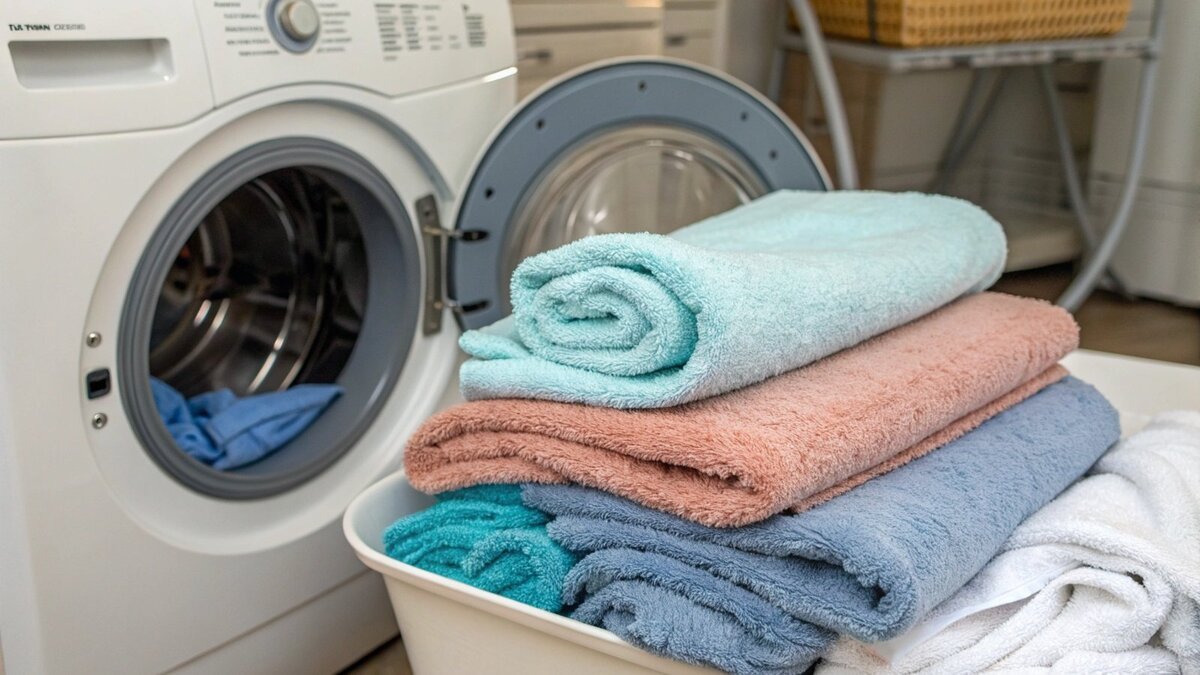
To care for microfiber towels, wash them separately from other fabrics in cool or warm water using a gentle, liquid detergent. Never use fabric softeners or bleach. Dry them on a low-heat or no-heat setting, or simply let them air dry for the best results.
Those are the basics, and following them will put you ahead of most people. But as someone who has guided countless brands on towel production, from small online stores to large hotel chains, I know the details are what make the difference between a towel that lasts for 20 washes and one that lasts for 200. Let’s get into the specifics so you can protect your investment and keep your towels working like new.
How do you care for microfiber towels?
Are you confused by all the conflicting advice on how to care for your microfiber? One wrong wash cycle can leave your towels stiff, lint-covered, and non-absorbent, wasting your money.
Wash microfiber separately in cool or warm water. Use a gentle, liquid detergent but never fabric softeners or bleach. Tumble dry on a low or no-heat setting, or hang to air dry. This simple process protects the fibers and maintains their unique properties.
At TowelTrend, we don’t just manufacture towels; we educate our clients on how to ensure their customers have the best experience. The longevity of a towel is part of your brand’s promise. The core of proper microfiber care comes down to understanding what it is: a fabric made of tiny polyester and polyamide fibers. These are essentially fine plastic filaments. Heat melts them, fabric softeners clog the microscopic gaps between them, and lint from other fabrics gets trapped, ruining their effectiveness. It’s that simple. To help our partners communicate this, we often provide a quick-reference guide.
Key Do’s and Don’ts of Microfiber Care
| Do | Don’t |
|---|---|
| Wash with other non-linting synthetics. | Wash with cotton, fleece, or terry cloth. |
| Use a gentle liquid detergent. | Use powdered detergents or fabric softeners. |
| Wash in cool to warm water. | Wash in hot water. |
| Air dry or tumble dry on low/no heat. | Dry on high heat or use dryer sheets. |
A client once came to us after their gym towels started getting negative reviews. Customers said they "just pushed sweat around." We discovered their cleaning service was washing the microfiber towels with cotton towels and using fabric softener. We helped them switch to a microfiber-specific laundry process, and the complaints stopped overnight. Understanding these rules is crucial.
Is it okay to put microfiber towels in the dryer?
Do you worry about melting your microfiber towels in the dryer? It’s a valid concern. High heat can fuse the delicate fibers, making them completely smooth and useless for cleaning.
Yes, you can use a dryer for microfiber towels, but you must use a low-heat or no-heat (air-fluff) setting. High temperatures will permanently damage the fibers, ruining their softness and absorbency. For best results and the longest lifespan, air drying is always the safest choice.
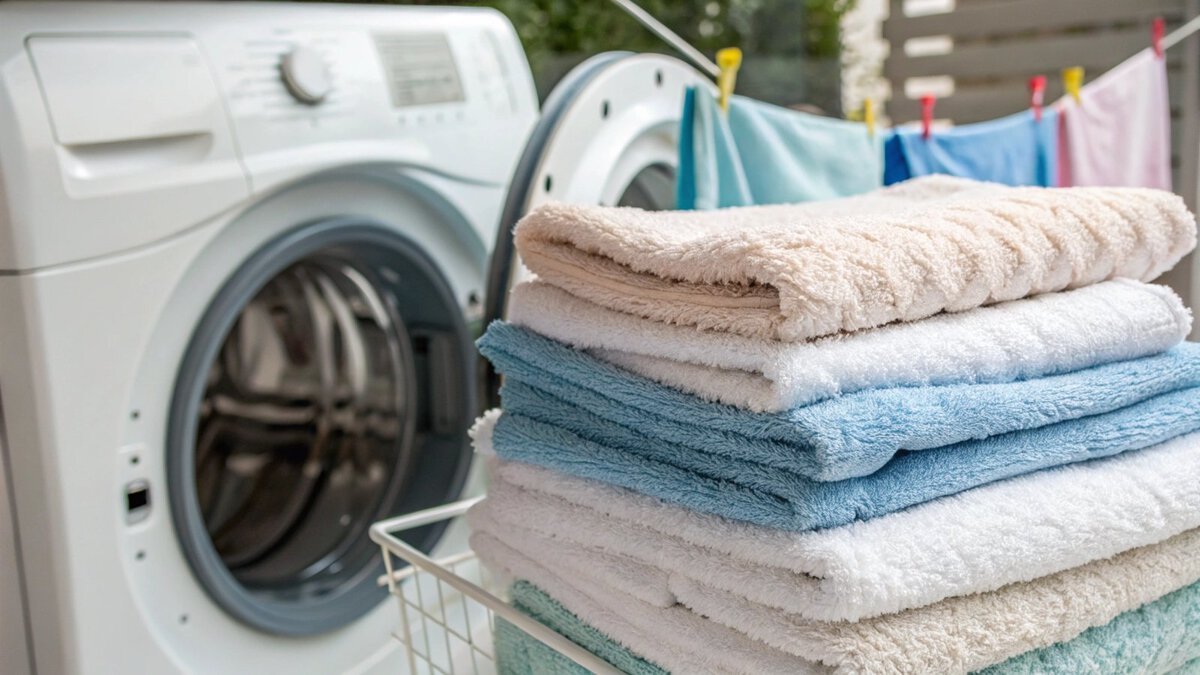
I’ve seen firsthand what heat damage does. A car detailing brand we work with sent me a towel that felt like plastic. Their customer had used a high-heat "sanitize" cycle on their dryer. Under a microscope, you could see the star-shaped fibers had melted into useless, rounded nubs. The towel lost its ability to grab and hold dirt particles.
Best Practices for Drying
1. The Gold Standard: Air Drying
Hanging your microfiber towels to dry is the ideal method. It costs nothing and carries zero risk of heat damage. It also helps the fibers maintain their natural static charge, which is what makes them so effective at attracting dust. For any premium towel we produce, whether for auto detailing or high-end optics, our recommended care instructions always list air drying as the preferred method.
2. The Safe Machine Method: Low or No Heat
If you need to use a machine, select the lowest temperature setting available. Many dryers have an "air fluff" or "no heat" option, which is perfect. It will take longer, but it protects your investment.
What to Absolutely Avoid in the Dryer
- Dryer Sheets: These work by coating fabrics with a layer of softeners, the same thing you must avoid in the wash. They will instantly clog your microfiber.
- High Heat Settings: Any setting above "low" is a risk. It’s better to run a longer cycle on low heat than a shorter one on medium or high.
Do microfiber towels need to be washed differently?
Are you just throwing your microfiber towels in with the rest of your laundry? This common mistake can quickly clog the fibers and destroy their powerful cleaning and absorbent abilities.
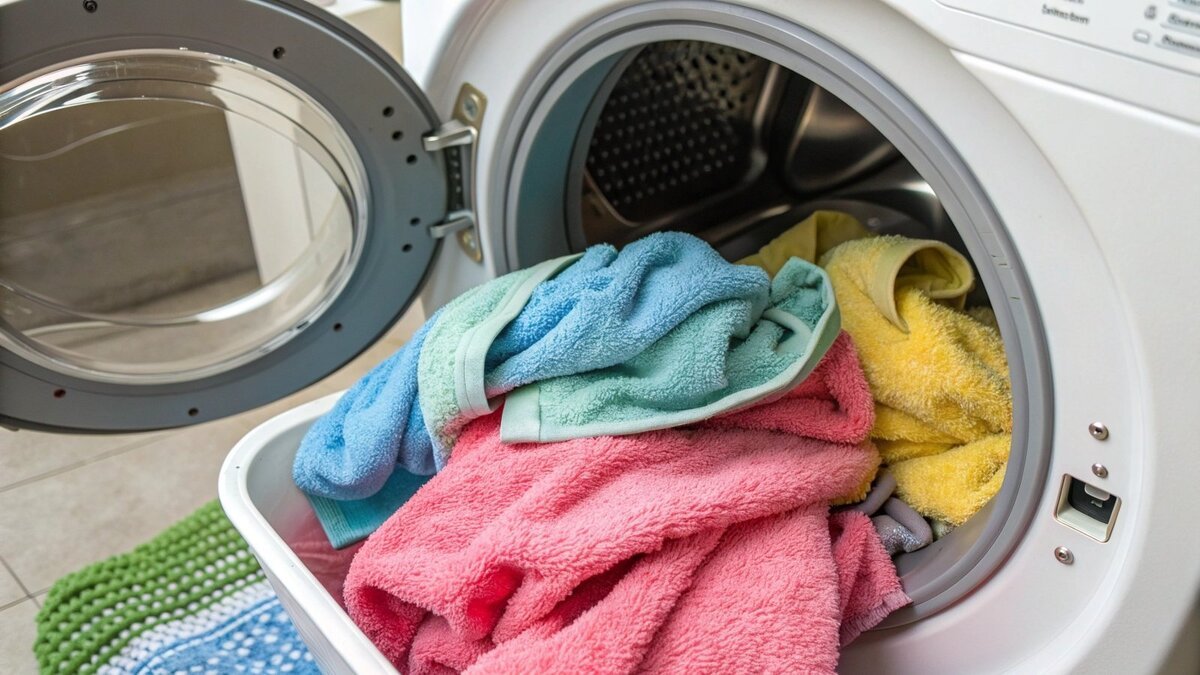
Yes, microfiber must be washed differently from cotton or other fabrics. You must wash them separately to prevent them from attracting lint. Use only a gentle liquid detergent, and completely avoid bleach, fabric softeners, and high heat, all of which damage their unique fiber structure.
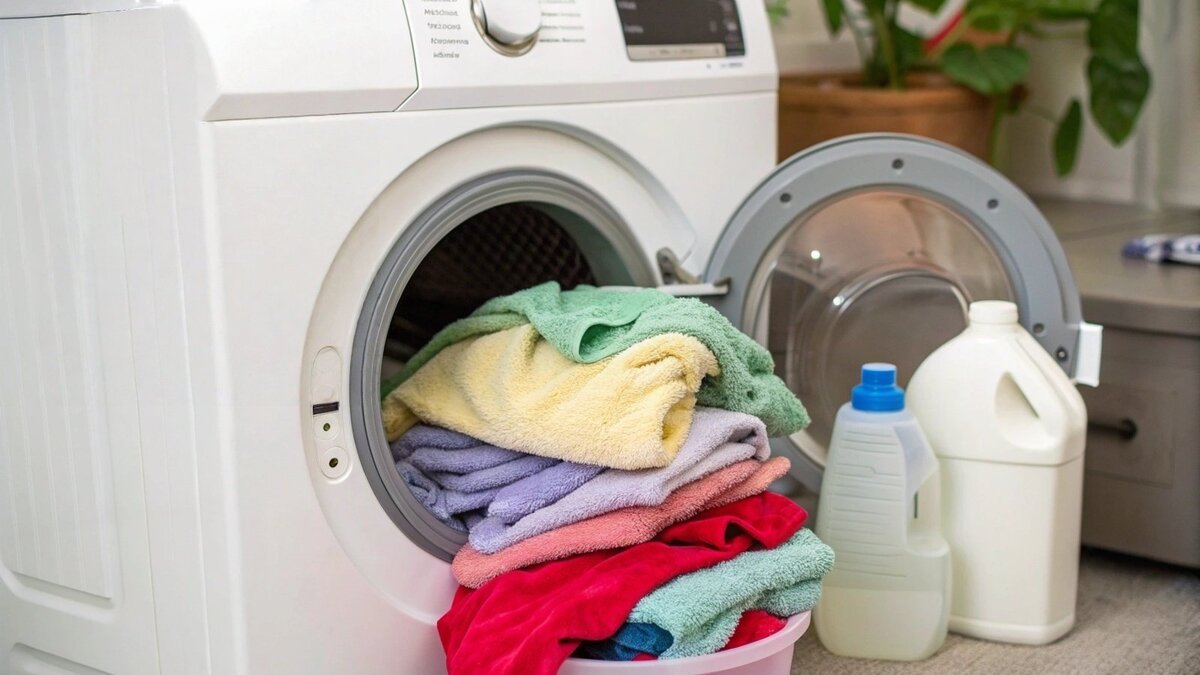
The reason for this special care is in the fabric’s design. Microfiber is engineered to grab and hold onto particles like dust, dirt, and lint. Cotton, on the other hand, is a natural fiber that is famous for shedding lint. When you wash them together, the microfiber towel acts like a magnet for all the loose cotton fibers in the machine. It comes out of the wash already "full" of lint, rendering it ineffective for its next job. I always tell our clients that including clear, separate washing instructions is a key part of brand quality. A customer who ruins a towel because of vague instructions blames the product, not their laundry habits.
Microfiber vs. Cotton: A Laundry Comparison
| Feature | Microfiber Towels | Cotton Towels |
|---|---|---|
| Lint Factor | Attracts and holds lint | Sheds lint |
| Wash With | Other synthetics ONLY | Most other laundry items |
| Detergent | Gentle liquid, no softeners | Regular detergent is fine |
| Bleach | Never | Yes (for white towels) |
| Heat Sensitivity | High (melts a low temps) | Low (can handle high heat) |
Think of it this way: the very property that makes microfiber amazing for cleaning also makes it vulnerable in the laundry. Its purpose is to trap things. In the wash, you want it to release the dirt it’s holding, not trap new lint and chemical residues from other items. Washing it separately gives it the space to do just that.
Can microfiber towels be washed and reused?
Are you wondering if your microfiber towels are a single-use product? Throwing them away after one use is not only expensive but also incredibly wasteful. The good news is you don’t have to.
Absolutely. Microfiber towels are designed to be washed and reused hundreds of times. Their durability and reusability are key benefits, making them a cost-effective and more sustainable choice than disposable wipes. Proper care is the key to maximizing their long lifespan.
One of the main reasons companies switch to microfiber, a service we facilitate at TowelTrend, is for long-term value. The synthetic fibers (polyester and polyamide) are exceptionally strong and do not break down easily like natural fibers. A well-made microfiber towel can withstand 300 to 500 washes if cared for correctly. This is why hotels, hospitals, and cleaning services have almost universally adopted them.
Maximizing Your Towel’s Lifespan
To get hundreds of uses, you just need to follow the rules we’ve discussed:
- Wash separately or with other synthetics.
- Use a gentle liquid detergent.
- Never use fabric softener or bleach.
- Dry on low heat or air dry.
How to Know When It’s Time to Retire a Towel
Even the most durable towel won’t last forever. After hundreds of uses and washes, you’ll know it’s time for a replacement when:
- It feels hard or stiff: Even after a proper wash, the fibers may have accumulated too much mineral buildup or heat damage and can no longer soften.
- It stops absorbing: If the towel just pushes water or dirt around instead of picking it up, its fibers are clogged or damaged.
- It’s physically falling apart: Significant fraying at the edges indicates the stitching has reached the end of its life. This is where quality manufacturing comes in; a towel with a securely stitched edge, like the ones we produce, will resist fraying much longer.
Conclusion
Proper microfiber care is simple: wash them separately, use a gentle detergent, and avoid all heat, bleach, and fabric softeners. Following these rules ensures your towels stay effective for hundreds of reuses.