Skip to content
Are your fluffy towels turning stiff and scratchy? It’s a common problem that makes a luxury product feel cheap. I’ll show you how to fix it easily.
The quickest way to make towels soft again is to wash them in hot water with one cup of white vinegar instead of detergent. Then, run a second cycle with half a cup of baking soda. This process strips away residue, restoring softness and absorbency.
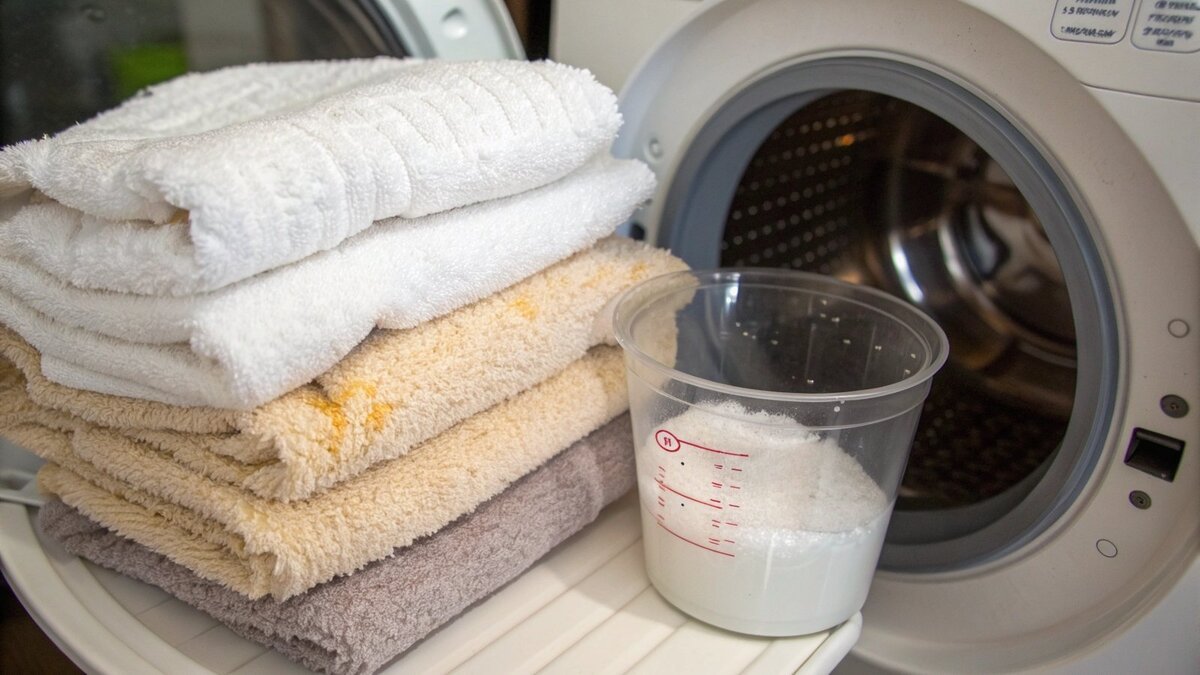
It’s frustrating when the towels you purchased for their plush feel become stiff as a board. You might think they’re worn out, but that’s rarely the case. Over my years in the textile industry, I’ve seen countless brands struggle with customer complaints about this exact issue. The truth is, the problem usually isn’t the towel itself but how it’s being washed. The good news is that restoring that brand-new softness is simpler than you think. Let’s dive into the methods that we at TowelTrend recommend to our partners to keep their products at peak quality for their customers.
How do you restore the softness of a bath towel?
Your once-luxurious towels now feel like sandpaper against your skin. This common issue can make even premium towels feel cheap. Let’s bring them back to life.
To restore softness, wash your towels on a hot cycle with one cup of white vinegar. Do not add detergent. The vinegar breaks down the stiffening residue from soap and hard water, instantly making the fibers softer.
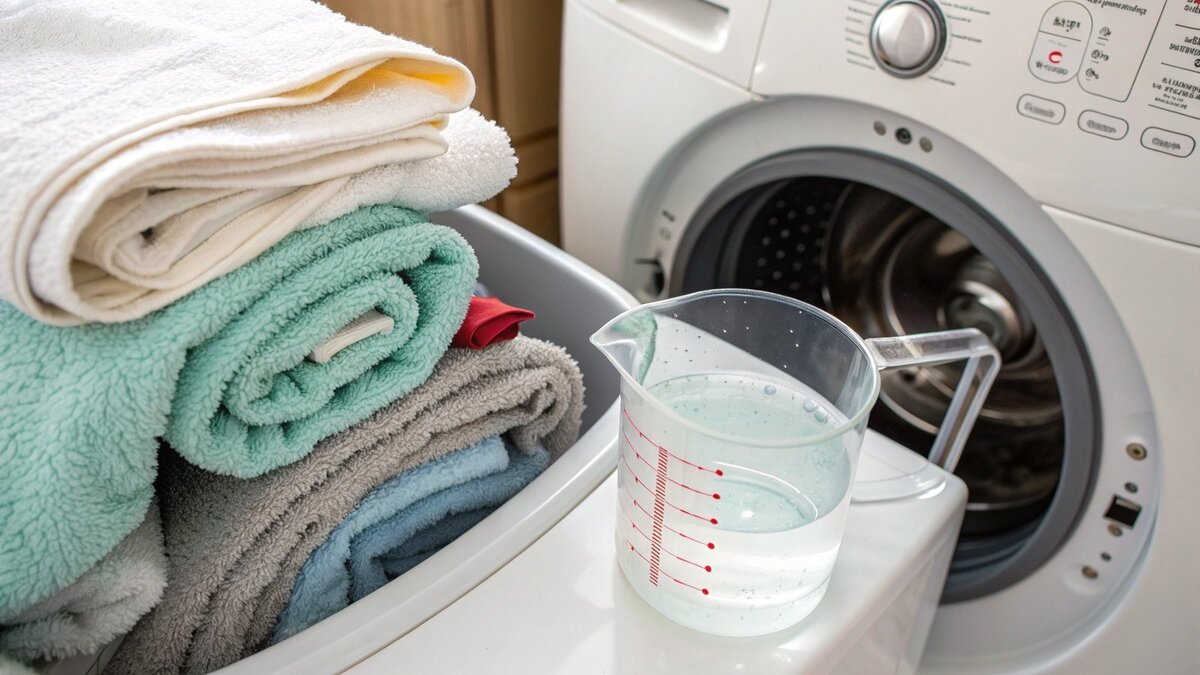
The Vinegar-Only Wash Cycle
As a manufacturer, I often explain to clients that the root cause of stiffness is buildup. Think of it like a film coating each cotton fiber. This film comes from two main sources: leftover laundry detergent and minerals from hard water. Your mission is to dissolve that film. White vinegar is the perfect tool for the job. Its acetic acid is gentle on the fabric but tough on the alkaline residue from soaps and minerals. It acts as a natural clarifier for textiles.
Here is the simple process we recommend:
| Step | Action | Purpose |
|---|---|---|
| 1 | Load your stiff towels into the washing machine. | Keep the load to just towels for best results. |
| 2 | Set the water temperature to the hottest setting the towels can handle. | Hot water helps dissolve buildup more effectively. |
| 3 | Add one cup of distilled white vinegar to the detergent dispenser. | Do not add any detergent or fabric softener. |
| 4 | Run a full wash and rinse cycle. | The vinegar will work its magic during the cycle. |
| 5 | Dry the towels completely without using dryer sheets. | Dryer sheets add another layer of film. |
This single-ingredient wash is often all it takes to revive your towels, making them feel noticeably softer and more absorbent again.
What’s the best way to soften hard towels?
You’ve tried different detergents and nothing works. Your hard towels are still scratchy and non-absorbent. I’ll share the most powerful method we know for a total reset.
The best way is a two-step process. First, wash towels in hot water with one cup of vinegar. Then, immediately run a second cycle with half a cup of baking soda. This one-two punch strips all residue and neutralizes odors.
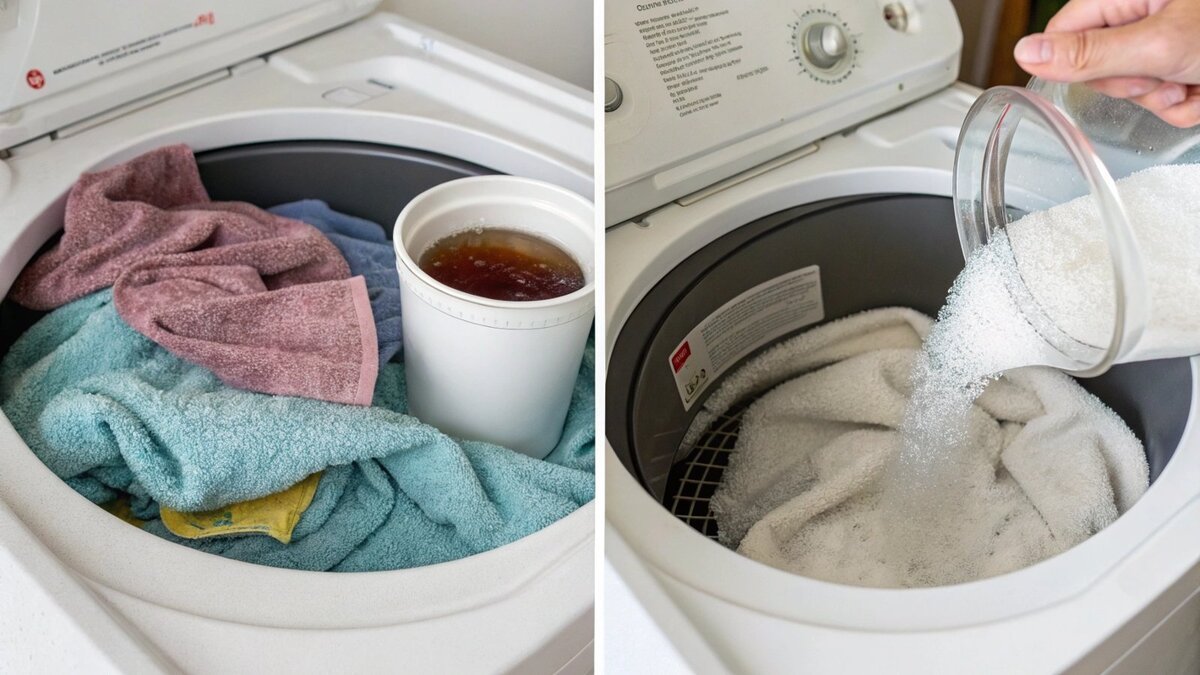
The Two-Step Deep Clean: Vinegar and Baking Soda
While a vinegar wash is great, combining it with a follow-up baking soda wash offers the most comprehensive restoration. In my experience guiding brands on product care, this method is the gold standard for tackling severe stiffness. The vinegar cycle handles the mineral and detergent buildup, while the baking soda cycle goes a step further. Baking soda is a fantastic deodorizer and mild abrasive that helps scrub away any remaining residue the vinegar might have missed. It also helps to neutralize any lingering vinegar smell.
Important: Never mix vinegar and baking soda in the same wash cycle. When combined, they neutralize each other, creating water and sodium acetate. This cancels out their cleaning power. They must be used in two separate cycles to be effective.
| Feature | Vinegar-Only Method | Two-Step Method (Vinegar + Baking Soda) |
|---|---|---|
| Best For | Mild to moderate stiffness. | Severe stiffness and musty odors. |
| Process | One wash cycle with vinegar. | Two separate wash cycles. |
| Outcome | Increased softness and absorbency. | Maximum softness, absorbency, and odor removal. |
| Time | Quick and simple. | More time-consuming but more thorough. |
For brands looking to provide ultimate care instructions to their customers, recommending this two-step process for a quarterly "deep clean" can significantly extend the life and luxury feel of their towels.
Why are my towels so rough after washing?
It’s confusing when washing makes your towels feel worse, not better. You follow the care label, but they still come out rough. I’ll explain the common culprits.
Your towels are rough because of buildup. The main causes are using too much detergent, hard water minerals clinging to fibers, and the waxy residue left by fabric softeners. These coatings make the cotton fibers stiff and less absorbent.
The Causes of Towel Stiffness
Over years of troubleshooting textile issues with clients, I’ve found that towel stiffness almost always boils down to three things. Understanding them is key to preventing the problem in the first place.
1. The Detergent Dilemma
More is not better. Using too much laundry detergent is the number one cause of stiff towels. Your machine’s rinse cycle can’t wash it all out, so a soapy film remains on the fibers. When this film dries, it acts like glue, making the loops stiff and scratchy. I always advise brands to recommend using about half the detergent manufacturer’s suggested amount for towel loads.
2. The Hard Water Problem
Hard water is rich in minerals like calcium and magnesium. These minerals deposit onto the cotton fibers during the wash cycle, creating a hard, crusty coating over time. This is why towels in certain geographic areas get stiff much faster than in others. The vinegar wash is particularly effective against this type of mineral buildup.
3. The Fabric Softener Myth
This is the most counterintuitive cause. Commercial fabric softeners work by coating fabrics with a thin, lubricating film, which feels soft initially. However, this film is often water-repellent and builds up over time, matting down the towel’s absorbent loops and reducing its ability to soak up water. This waxy coating eventually makes towels feel stiff and greasy. It’s why we at TowelTrend always tell our partners to advise customers against using fabric softeners on towels.
How to strip towels to make them soft again?
Have your towels gone past just being stiff? If they feel waxy and don’t absorb water anymore, a regular wash won’t cut it. You need a deep cleaning intervention.
Towel stripping is an intensive soaking method that uses a specific combination of borax, washing soda, and detergent in hot water to dissolve and remove extreme buildup. It’s the ultimate reset for towels that have become non-absorbent and rough.
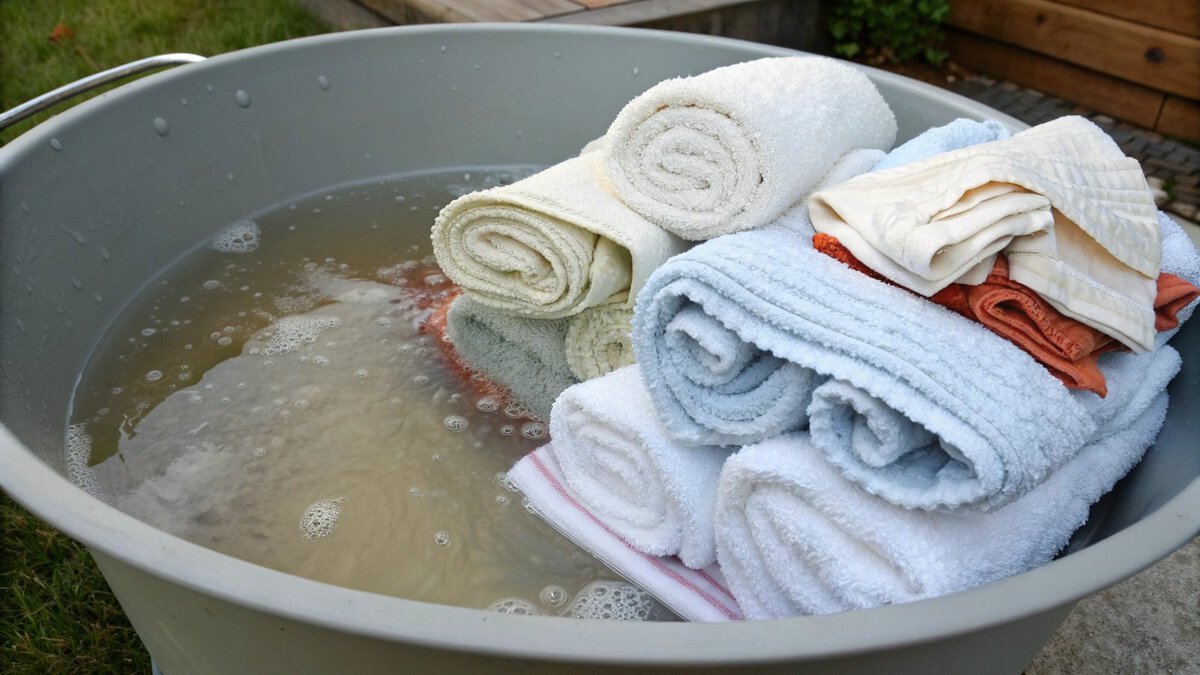
Your Step-by-Step Guide to Towel Stripping
Towel stripping is a process that has become popular because the results are so visibly dramatic. You’ll see the amount of hidden gunk that comes out of your "clean" towels. This is a rescue mission, not a routine cleaning method. I’d recommend doing it once or twice a year at most. For the premium towels we manufacture, high-quality long-staple cotton is less prone to buildup, but even the best towels can fall victim to hard water and product residue over time.
Here’s how to do it:
- Start with clean towels. Wash and dry your towels as you normally would, without any fabric softener.
- Fill a bathtub or a large top-loading washing machine with very hot water.
- Add the stripping agents. Stir in the following mixture until it dissolves:
- 1/4 cup Borax
- 1/4 cup Washing Soda (sodium carbonate)
- 1/2 cup Laundry Detergent
- Submerge your towels. Add your clean towels to the water, pushing them down until they are fully saturated.
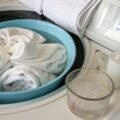
- Soak and wait. Let the towels soak for at least 4 to 5 hours, stirring them every hour or so. You will notice the water becoming murky and discolored. This is the buildup leaving the fabric.
- Wash and dry. After soaking, drain the dirty water. Wring out the towels and transfer them to your washing machine. Run a full hot water cycle without any detergent. Then, run a second rinse cycle. Finally, dry them in the dryer without dryer sheets.
Your towels will emerge incredibly soft, extra absorbent, and restored to a near-original state.
Conclusion
Restoring towel softness is about removing buildup. Use less detergent, avoid fabric softener, and use a vinegar or baking soda wash to strip away residue for soft, absorbent towels.