Skip to content
Your kitchen towels are greasy, starting to smell, and never feel truly clean, do they? This isn’t just unpleasant; it’s a hygiene issue. Here’s my no-fuss guide to making them fresh.
To effectively wash kitchen towels, use a hot water setting on your washing machine with a strong detergent. For stubborn odors and stains, add a cup of white vinegar or a half-cup of baking soda to the wash. Always wash them separately from other laundry to prevent cross-contamination.

That’s the basic method, but getting kitchen towels perfectly clean involves more than just a quick wash. Over my years in the textile industry, I’ve seen how the right technique can double a towel’s lifespan and keep it hygienic. There are specific methods for deep cleaning, tackling stubborn smells, and knowing exactly when to wash them. Let’s dive deeper into the methods that I recommend to all my clients, from small cafes to large hotel chains, to keep their towels in pristine condition. These are the secrets to truly clean towels.
What’s the best way to clean kitchen towels?
Tired of towels that still feel slightly greasy after a wash? Regular cycles often fail to break down kitchen grime. I’ll show you the professional method for a deep clean.
The best way is a two-step process. First, pre-soak heavily soiled towels in a sink of hot water with a bit of dish soap. Then, wash them on a hot, heavy-duty cycle with detergent and a half-cup of baking soda to neutralize odors and brighten the fabric.

Pre-soaking seems like an extra step, but it makes all the difference, especially for towels used to wipe up grease. At TowelTrend, the towels we manufacture are 100% cotton, and this fiber responds perfectly to hot water. The heat opens up the cotton fibers, allowing the soap to penetrate and release trapped oils and food particles before the main wash even begins. In the main wash, using the right additives is key. Each one serves a specific purpose, and understanding them helps you choose the right tool for the job. I’ve helped countless businesses optimize their laundry process, and it always comes down to using these simple, effective agents correctly.
Key Cleaning Additives Explained
| Additive | Primary Use | How it Works | Best For |
|---|---|---|---|
| Baking Soda | Deodorizing & Brightening | An alkali that neutralizes acidic odors and gently scrubs fibers clean. | General odors, light brightening. |
| White Vinegar | Softening & Disinfecting | An acid that breaks down detergent buildup and kills bacteria and mildew. | Musty smells, stiff towels. |
| Borax | Stain Removal & Boosting Detergent | A mineral that softens water, allowing the detergent to work more effectively. | Tough stains, dingy whites. |
Using these additives correctly is far better than using fabric softener, which coats cotton fibers and destroys their absorbency—the very reason you buy a towel in the first place.
Do you wash kitchen towels in the washing machine?
Are you wondering if hand-washing is gentler on your towels? Or maybe you’re worried about germs spreading in your machine. Let’s clear up the safest and most effective method.
Yes, you must wash kitchen towels in a washing machine. The machine’s high heat and strong agitation are essential for killing germs and removing tough grime, which hand-washing can’t match. Always wash them in a separate load to prevent spreading bacteria to your clothes.

The washing machine isn’t just for convenience; it’s a hygiene tool. When I consult with clients, a common mistake I see is washing kitchen linens with bath towels or clothes. This is a major source of cross-contamination. Kitchen towels harbor foodborne bacteria like E. coli and Salmonella, and they need to be treated as a biohazard, not just another piece of laundry. A dedicated hot wash is non-negotiable.
Setting Up the Perfect Wash Cycle
The key is to use the machine’s power correctly. Here’s the setup I recommend for a truly hygienic clean:
- Load Separation: Always create a "kitchen-only" load. This includes dishcloths, tea towels, and kitchen towels. Never mix them with anything else.
- Cycle Selection: Choose the ‘heavy-duty’ or ‘sanitize’ cycle if your machine has one. If not, select the longest, hottest cycle available. The extended agitation and high heat are what you need.
- Temperature: Set the water temperature to hot (at least 140°F / 60°C). This temperature is crucial for killing most household bacteria and viruses. Cold water simply won’t do the job for kitchen linens.
We design our towels at TowelTrend to withstand these exact conditions. The high-quality, long-staple cotton and durable weaving are specifically chosen to handle repeated hot washes without falling apart.
How often should I wash my kitchen towels?
Are you using the same kitchen towel for a few days? You might be creating a perfect breeding ground for bacteria without even knowing it. Let’s set a clear, safe schedule.
You should wash kitchen towels every one to two days. If a towel is used to wipe up raw meat juices or becomes heavily soiled or damp, it must be replaced and washed immediately. A damp towel can grow bacteria to unsafe levels in just a few hours.

This might sound frequent, but in the textile world, we know how porous cotton is. It’s incredibly absorbent, which is great for drying dishes, but it also means it holds onto moisture and bacteria. A "one-day rule" is the gold standard for hygiene. I once worked with a restaurant chain that was struggling with inconsistent cleaning standards. We implemented a simple color-coded system: blue towels for one day, white for the next. At the end of each day, all used towels went straight into a designated laundry bin. It completely eliminated issues with musty smells and improved kitchen hygiene overnight. You can apply the same logic at home.
A Simple Usage-Based Washing Schedule
Not all towels are used the same way. Here’s a simple guide to follow:
| Towel’s Purpose | Recommended Washing Frequency | Why? |
|---|---|---|
| Drying Clean Hands or Clean Dishes | Every 1-2 days | They stay relatively clean but can become damp, which encourages mildew. |
| Wiping Countertops and Small Spills (Non-Meat) | Daily | They pick up ambient bacteria and food particles from surfaces. |
| Wiping Up Raw Meat, Poultry, or Fish Juices/Spills | Immediately after a single use | This is a high-risk for cross-contamination with dangerous pathogens like Salmonella. |
Don’t let towels sit in a damp pile in the laundry basket. Dry them out if you can’t wash them right away, or put them directly into the machine for the next load.
How to wash stinky kitchen towels?
Does that sour, musty smell in your kitchen towels refuse to leave, even after a wash? That odor is a clear sign of mildew and bacteria. Here’s my method to eliminate it for good.
To remove deep-set smells, you need to "strip" the towels. Soak them for 4-5 hours in hot water with a half-cup of Borax and a half-cup of washing soda. Then, wash them on a hot cycle with detergent and one cup of white vinegar in the rinse cycle.

That stubborn smell is caused by a buildup of bacteria, mildew, and even old detergent and fabric softener residue that has locked grime into the fibers. A normal wash can’t break through this greasy, water-repellent layer. The stripping process uses strong alkaline agents (Borax and washing soda) to break down this buildup and release the trapped odors. The final vinegar rinse neutralizes any remaining residue and restores the towel’s pH balance, leaving it soft and fresh. I always tell my clients that if their towels start to smell, it’s often a sign that their regular wash routine isn’t strong enough or that the towels themselves are of lower quality.
The Ultimate Odor-Removal Process
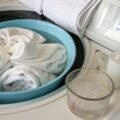
- Prepare the Soak: Fill a bathtub, large bucket, or top-loading washer with the hottest water possible.
- Add the Stripping Agents: Mix in a half-cup of Borax and a half-cup of washing soda until they dissolve. Avoid using detergent in this soak.
- Submerge the Towels: Add your stinky towels to the water. Make sure they are fully submerged. You’ll be shocked at how quickly the water turns murky and brown as the buildup is released.
- Soak: Let the towels soak for at least 4 hours, or overnight for very smelly towels.
- Wash and Rinse: After soaking, transfer the wet towels to the washing machine. Run a full hot water cycle with your regular detergent. Add one cup of white vinegar to the fabric softener dispenser for the final rinse.
- Dry Thoroughly: Dry the towels completely on high heat. Any remaining dampness will bring the smell right back.
This deep cleaning method restores the absorbency and freshness of your towels, making them feel like new again.
Conclusion
Properly washing your kitchen towels is simple. Following these steps consistently will protect your family’s health, eliminate odors, and make your high-quality towels last for years.