Skip to content
Noticing ugly, musty-smelling spots on your fresh towels? This is mold, and it’s a frustrating problem. But you can often save the towel and prevent it from ever coming back.
Mold on towels is caused by lingering moisture that allows fungi to grow. You can stop it by choosing high-quality, quick-drying towels and ensuring they are dried completely after every single use. Proper washing and not letting them sit damp in a hamper are also key.
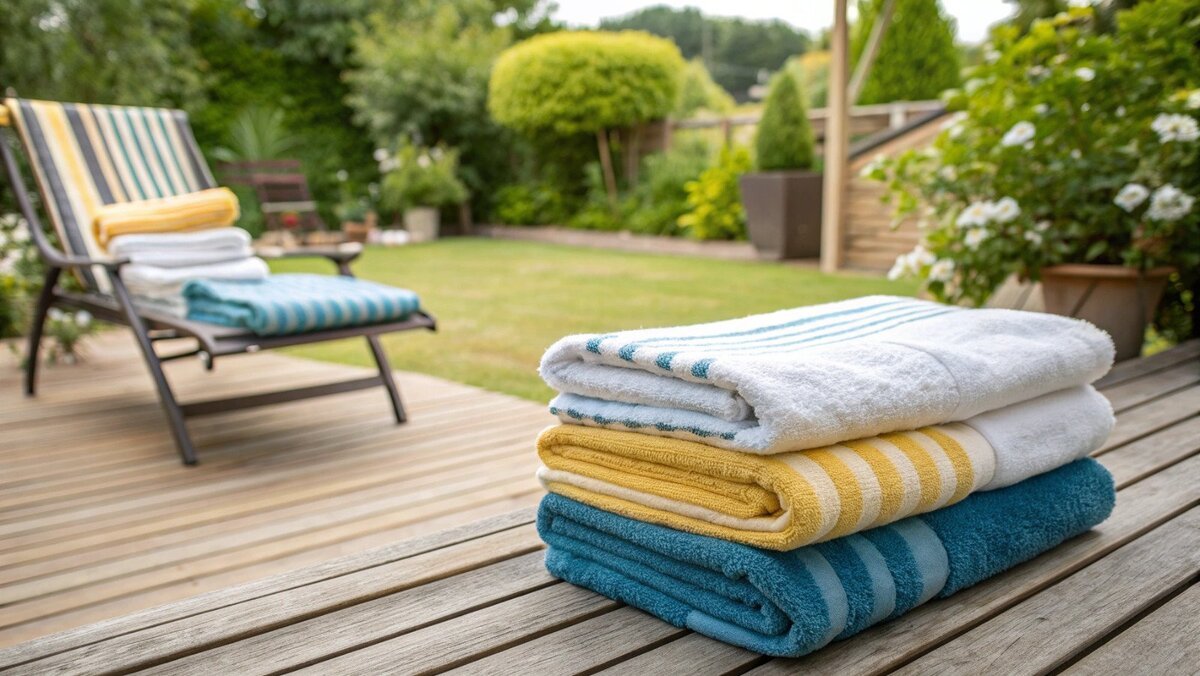
In my years in the textile industry, I’ve seen it all. From luxury hotels to boutique gyms, nobody is immune to the dreaded towel mold if they don’t have the right product and processes. For a business, it’s more than just an ugly spot; it’s a mark against your reputation for cleanliness. But whether you’re at home or managing inventory for a business, the solution starts with understanding the problem. Let’s break down everything you need to know, from safety to removal and prevention.
Is it safe to use a moldy towel?
You’ve found a small mold spot and wonder if you can just use the towel one more time. Using that towel could expose your skin to allergens, leading to irritation or worse. It’s always best to avoid it until it’s been properly and thoroughly cleaned.
No, it is not safe to use a moldy towel. Mold can cause skin irritation, allergic reactions, and respiratory issues, especially for people with existing allergies or asthma. Even a small amount of mold means you should wash the towel thoroughly before its next use to ensure it’s safe.
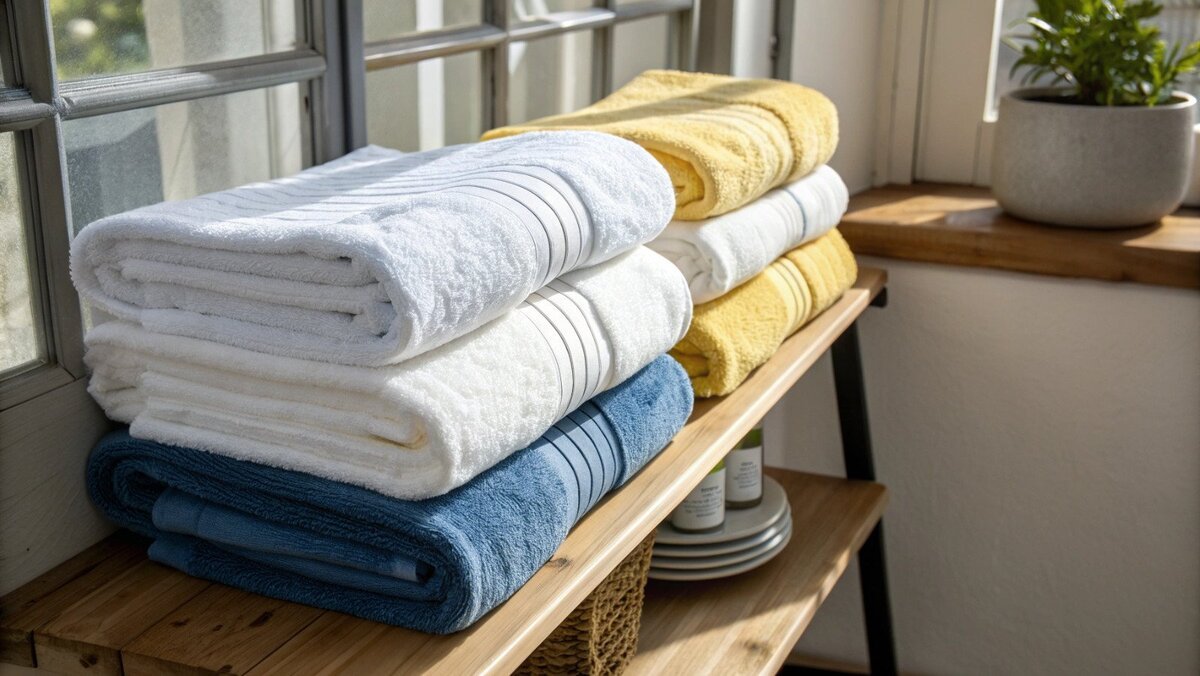
When we talk about mold, we’re talking about fungi that release spores. For most people, brief contact might not do anything. But for others, the consequences can be more serious. At TowelTrend, we advise our clients—especially those in hospitality and wellness—to have a zero-tolerance policy for mold. A guest with sensitive skin or asthma could have a significant reaction, which is a risk no business should take. It’s not just about what you can see; it’s about the invisible spores and the health risks they carry.
Here’s a simple breakdown of the potential risks:
| User Group | Potential Health Risks from a Moldy Towel |
|---|---|
| General Population | Skin irritation, minor rashes, unpleasant musty smell on skin. |
| People with Allergies/Asthma | Allergic reactions, sneezing, runny nose, red eyes, skin rashes, asthma attacks. |
| Infants & Elderly | Higher risk of skin infections or respiratory distress due to weaker immune systems. |
For any brand, the customer’s safety and trust are everything. Handing them a towel with even a hint of mildew instantly undermines that trust.
Should I throw away a towel with mold?
You’ve found mold on a good towel and your first thought is to just toss it in the trash. But throwing it away feels wasteful, especially if it’s part of an expensive set. The good news is, in most cases, you can absolutely save the towel.
You should only throw away a towel if the mold is extensive or the fabric is already falling apart. For most minor to moderate mold spots, a deep cleaning with simple household items like vinegar and baking soda will effectively kill the mold and remove the stains and odors.
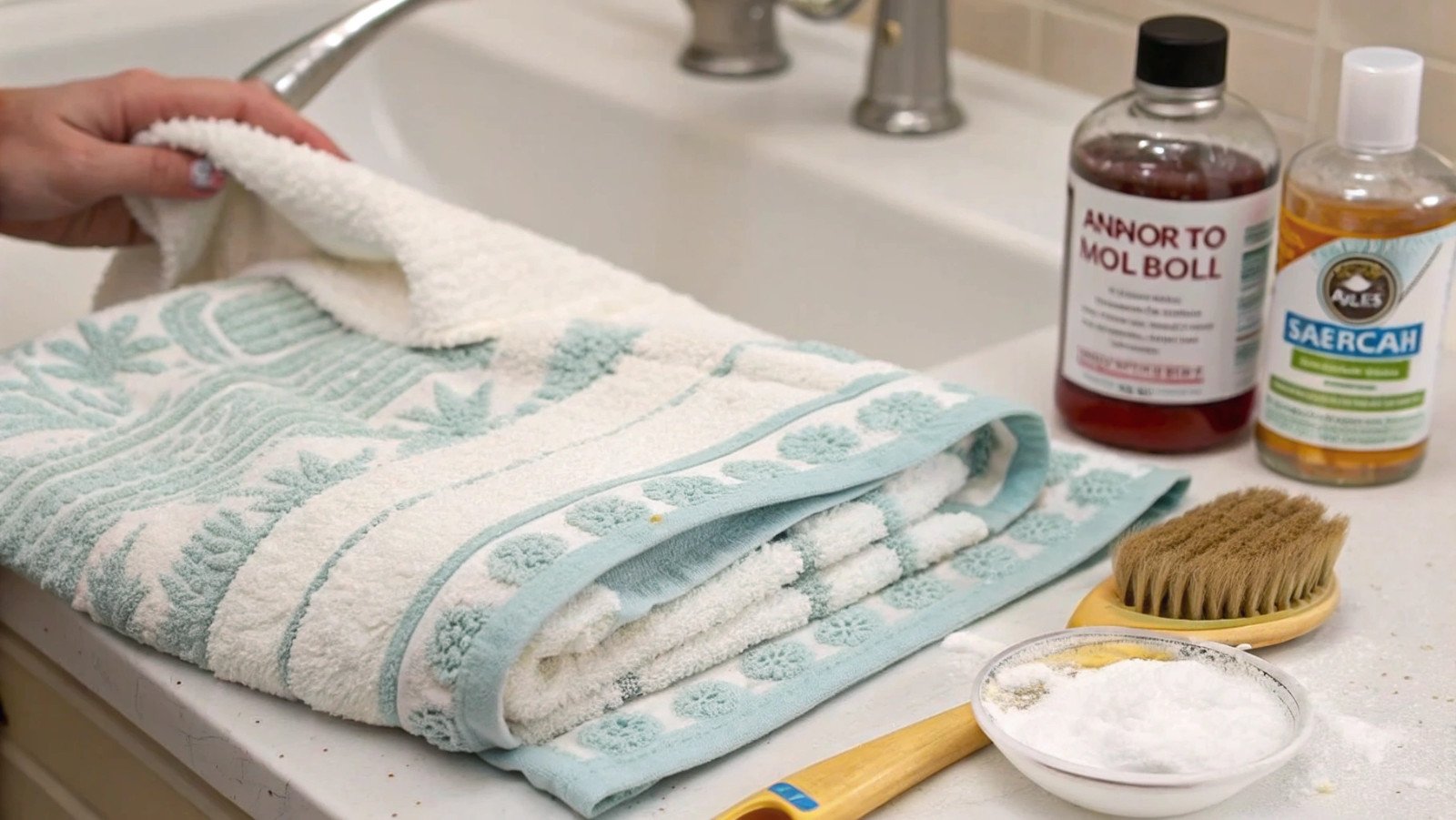
As a manufacturer, I know that quality towels are built to last. They can withstand the aggressive cleaning needed to remove mold. Cheaper towels made from weaker fibers might not survive. This is something we discuss with our clients when they are deciding on their product specifications. A slightly higher investment in durable, long-staple cotton towels means a longer lifespan and a better ability to recover from issues like mold.
So, how do you decide?
When to Save Your Towel
- The mold consists of a few small spots.
- The fabric still feels strong and intact.
- The towel is relatively new and you caught the mold early.
When to Throw Your Towel Away
- The mold covers more than a quarter of the towel.
- The fabric feels thin, brittle, or has holes where the mold is.
- A strong musty smell remains even after several deep-cleaning cycles.
For a business like a hotel or a gym, the decision also involves labor costs. Sometimes, if an item is heavily affected, the cost of the staff’s time to restore it can be more than the cost of a replacement. We help our clients make this calculation by ensuring our pricing is transparent and reordering is fast and easy.
What does mold look like on a towel?
You see a weird spot on your towel, but you’re not sure if it’s a coffee stain or something worse. Ignoring it could let mold grow and spread to your other linens in the laundry basket. Learning to identify it is the first step to stopping it.
Mold on a towel usually appears as clusters of small black, gray, or dark green specks. Over time, these specks can grow into larger patches. The biggest clue is the smell—a distinct musty, earthy odor that a normal wash cycle won’t remove.
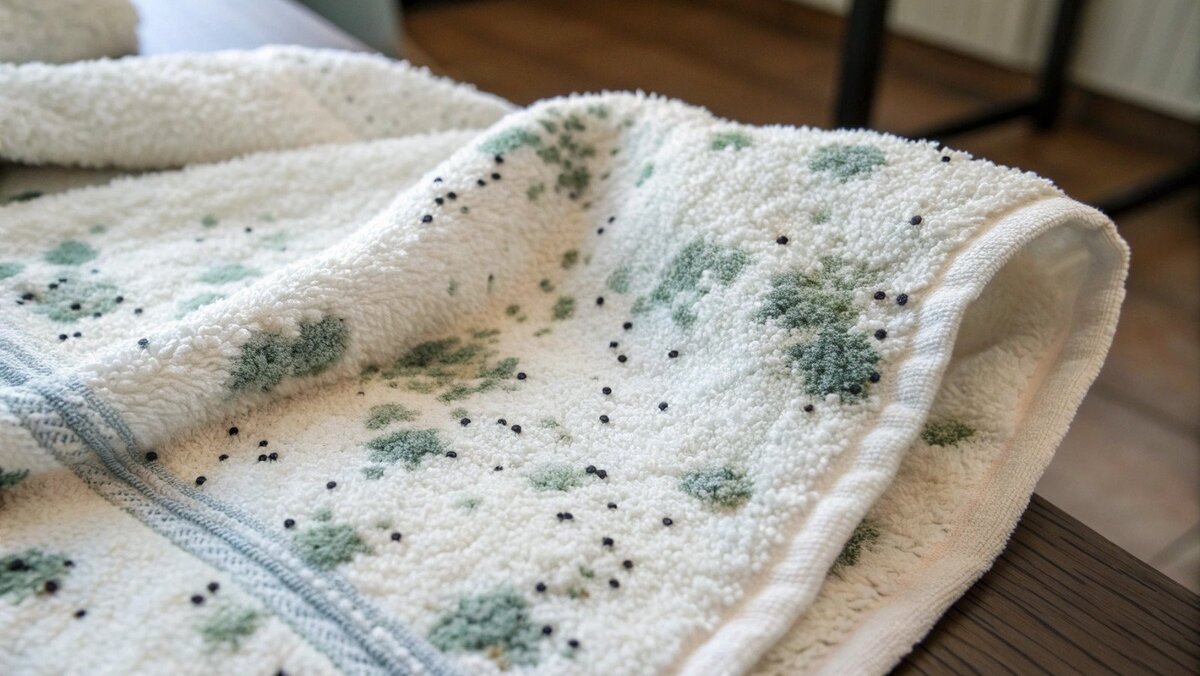
I remember a new hotel client sent me an urgent email with photos of "defective" towels that had developed black spots. I recognized it immediately. It wasn’t a manufacturing defect; it was classic mildew. After a quick call, we discovered their laundry team was using a low-temperature, eco-friendly wash cycle and then letting the damp towels sit in carts for hours before drying. The warm, humid environment was a perfect storm for mold growth. We adjusted their process, and the problem disappeared.
To avoid confusion, here’s how to tell mold from a simple stain:
| Feature | Mold | Common Stain (e.g., makeup, dirt) |
|---|---|---|
| Appearance | Speckled clusters, often black/gray. Can look fuzzy. | A smear or defined shape matching the staining source. |
| Smell | Musty, earthy, and damp. | Usually odorless or smells like the original substance. |
| Behavior | Grows and spreads if left untreated. | Stays the same size and shape. |
| Location | Often found in folds or areas that stay damp longer. | Can appear anywhere on the surface. |
Trust your nose. That musty smell is caused by the gases mold releases as it grows, and it’s your most reliable signal that you have a problem.
How do you get mould out of bath towels?
You’ve confirmed it’s mold, and you need a reliable way to get rid of it for good. A regular wash won’t kill the spores, and you’ll find the mold just comes right back. But a simple, two-step process using things you already have can completely solve it.
To get mold out of towels, first wash them in the hottest water safe for the fabric with one cup of white vinegar (no detergent). Then, run a second hot wash with half a cup of baking soda and your regular detergent. Finally, dry them completely on high heat or in direct sunlight.
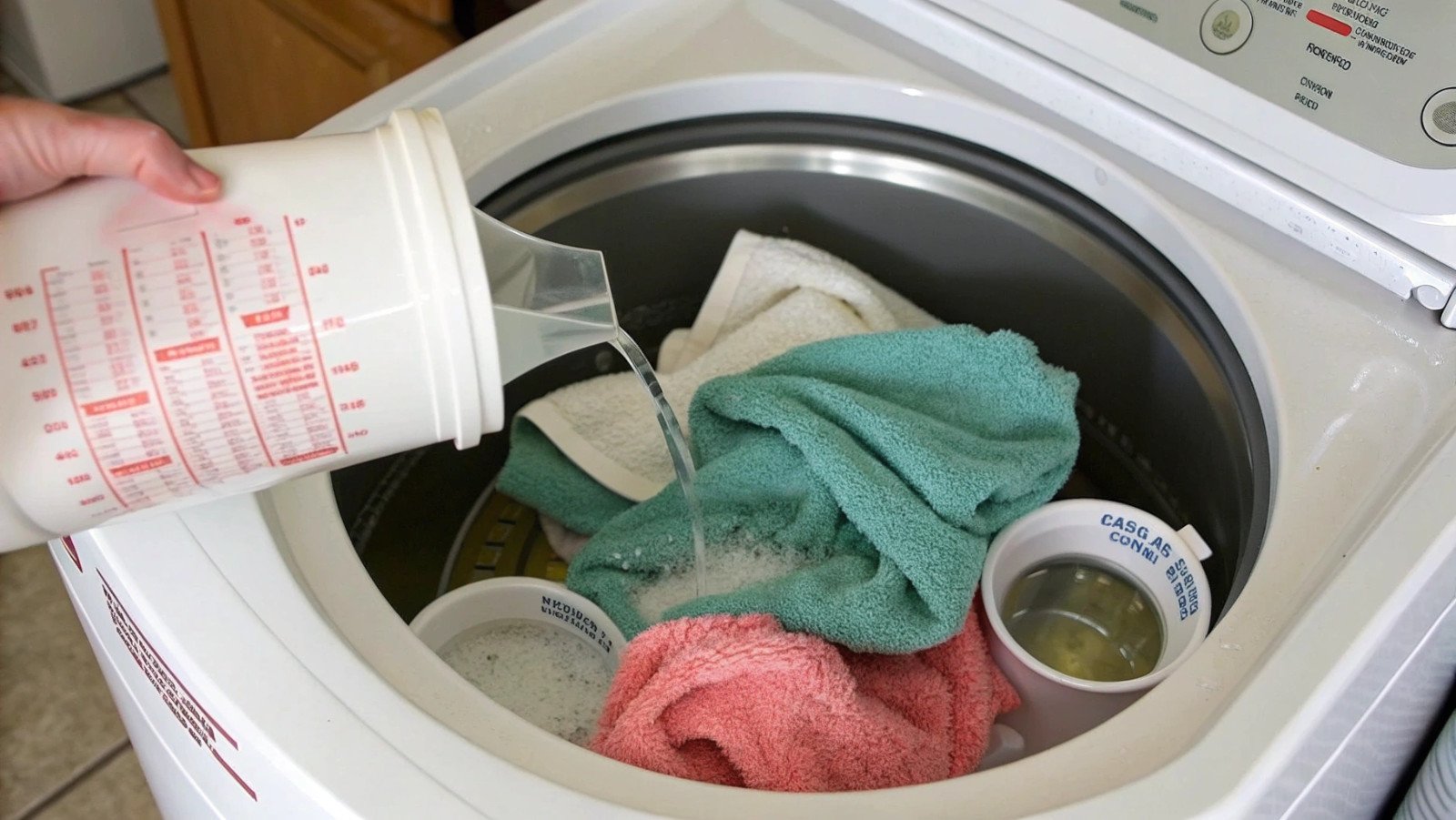
This method is powerful because it tackles the mold in two ways. The vinegar wash kills the mold and mildew spores, while the baking soda wash neutralizes any leftover odors and helps lift the stains. I recommend this process to all our business clients for their periodic deep cleaning.
Here’s the step-by-step guide:
Step 1: The Vinegar Wash
Place the moldy towels in your washing machine. Don’t overcrowd it. Add one cup of white vinegar directly into the drum. Do not add detergent. Wash on the hottest, longest cycle that your towels’ care label permits. The acetic acid in vinegar is excellent at killing common types of mold.
Step 2: The Baking Soda Wash
Leave the towels in the machine. Now, add your regular laundry detergent along with half a cup of baking soda. Run another hot wash cycle. The baking soda will finish off any lingering mold, brighten the fabric, and neutralize the vinegar smell.
Step 3: The Critical Drying Stage
This is the most important step to prevent mold from returning. Dry the towels immediately and completely. Use a high heat setting on your dryer if the fabric allows. Alternatively, hang them outside in direct sunlight. The sun’s UV rays are a natural disinfectant and work wonders. Feel the towels, especially the thick seams, to ensure there is zero dampness left before you fold and store them.
Conclusion
Mold on towels is common but fixable. Just identify it, clean it with vinegar and baking soda, and always dry your towels completely to keep them fresh, safe, and long-lasting.