Skip to content
Kitchens are messy and chaotic. Using flimsy paper towels is wasteful and ineffective. A quality kitchen towel is the simple, powerful solution for nearly every kitchen task.
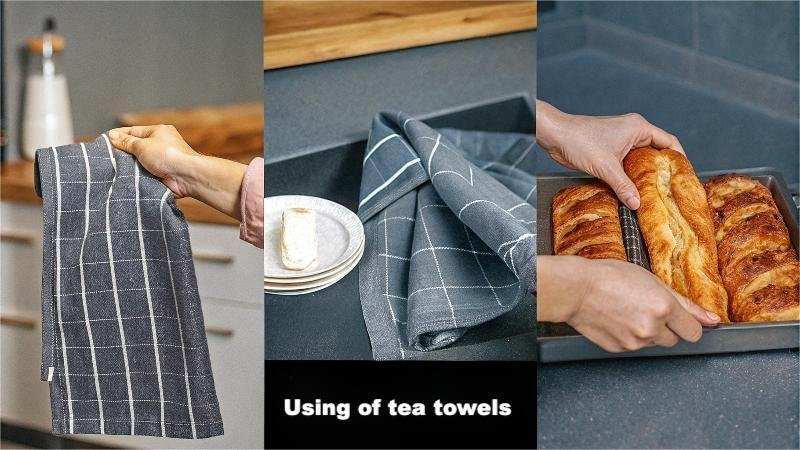
Kitchen towels are multi-purpose cloths mainly used for drying hands, wiping spills, and handling hot dishes. They are also used for cleaning countertops, polishing glassware, and even covering dough as it rises. Their main purpose is to provide an absorbent, reusable tool for daily kitchen tasks.
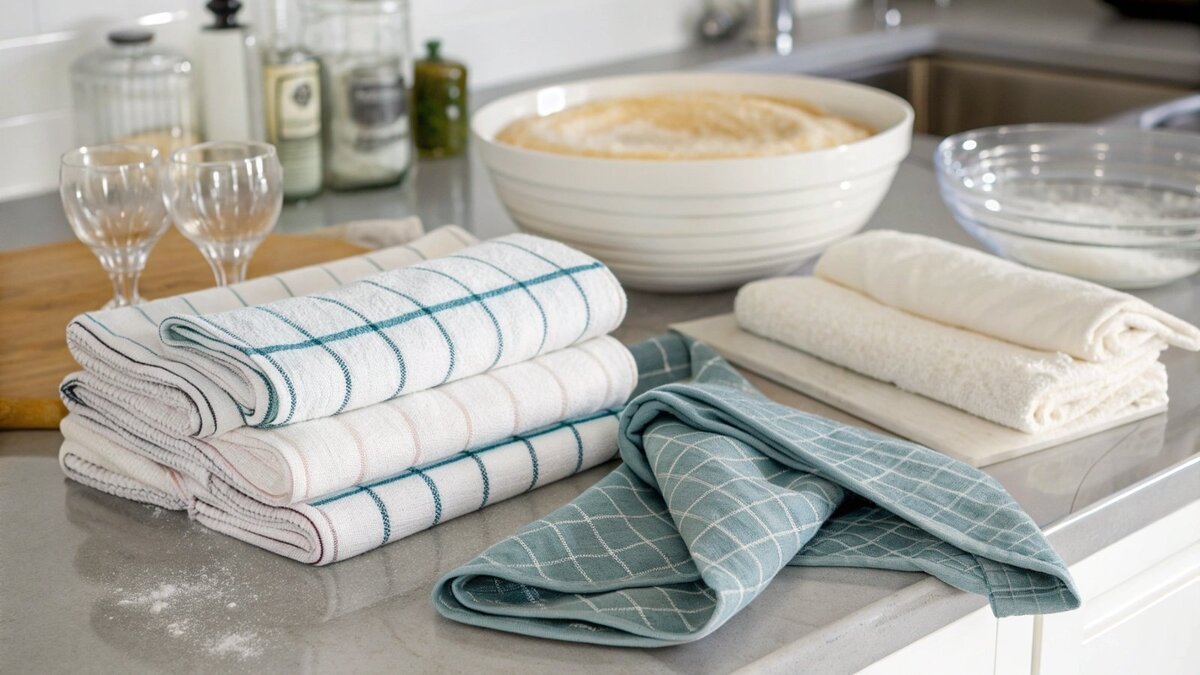
So, they’re for drying and wiping. Simple enough, right? But not all kitchen towels are created equal. The material, weave, and even how you care for them can make a huge difference in performance and hygiene. When my clients ask me about sourcing kitchen towels, the conversation quickly moves beyond just ‘what they are for’ and into ‘how to choose the best one.’ Let’s dive into what really makes a kitchen towel a workhorse and not just a piece of cloth. Understanding the details is key to making a smart purchase for your brand or business.
What is the point of kitchen towels?
Every kitchen has them, but are you using them to their full potential? Grabbing any old cloth can be inefficient and unhygienic. The point is having a dedicated, reusable tool.
The point of kitchen towels is to offer a sustainable, absorbent, and multi-functional tool for kitchen cleanliness and safety. Unlike disposable paper towels, they are reusable, more durable for tough scrubbing, and better at absorbing large spills, reducing waste and long-term cost.
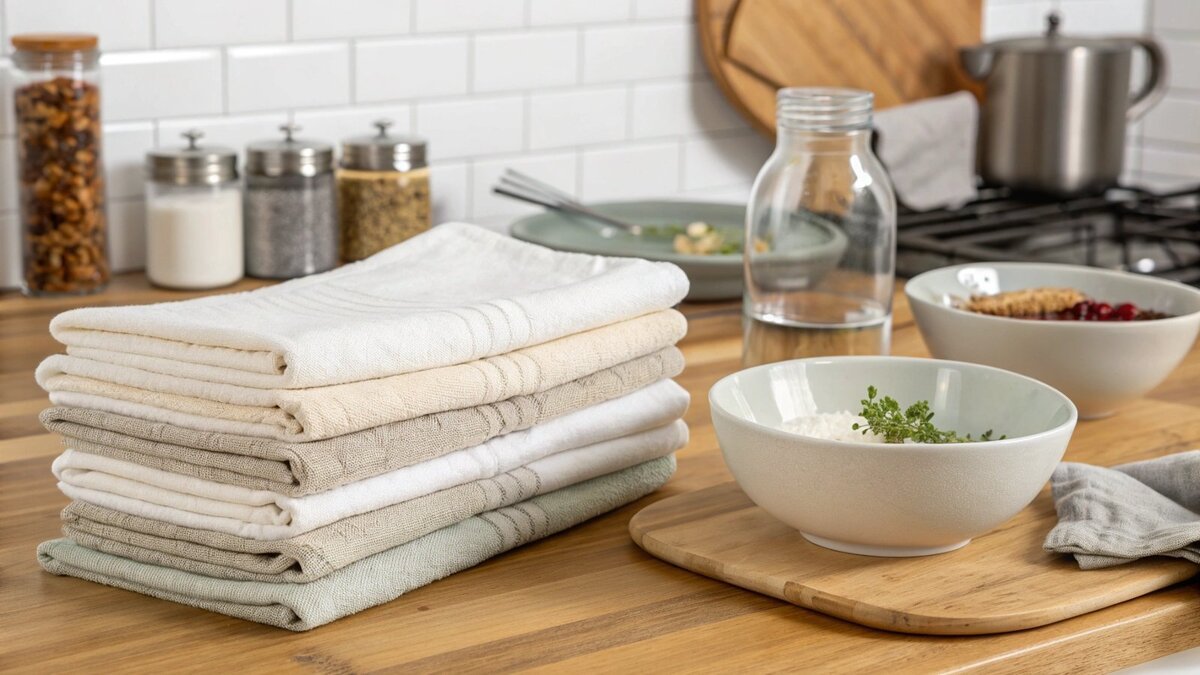
When I consult with brands, I always emphasize that the ‘point’ of their product needs to be clear to the end-user. The point of a good kitchen towel is to be a superior alternative to paper towels and sponges. It’s about providing value through reusability and performance. Think about it: a single kitchen towel can replace dozens of rolls of paper towels over its lifespan. That’s a huge win for both the user’s wallet and the environment. I’ve been in the textile industry since 2004, and the demand for sustainable, high-performance products has never been stronger. Buyers want items that work well and align with their values. A well-made kitchen towel does exactly that. It’s not just a cloth; it’s a smart, eco-friendly choice.
The Functional Trio: Absorbency, Durability, and Versatility
The real purpose of a kitchen towel comes down to these three things. Here’s a quick comparison to see why they are often the best tool for the job.
| Feature | Kitchen Towel | Paper Towel | Sponge |
|---|---|---|---|
| Cost | Low (reusable) | High (disposable) | Medium (needs frequent replacement) |
| Sustainability | High | Very Low | Low |
| Hygiene | High (if washed regularly) | High (single-use) | Very Low (breeds bacteria) |
| Versatility | Very High | Medium | Low |
How do you use kitchen towels?
You already use kitchen towels for spills. But using the same towel for your hands and the floor is a bad idea. Let’s look at the right way to do it.
Use kitchen towels by dedicating different ones for specific tasks. For example, have one towel for drying clean hands and dishes, another for wiping countertops, and a separate, older towel for messy spills or floors. This color-coded or location-based system prevents cross-contamination.
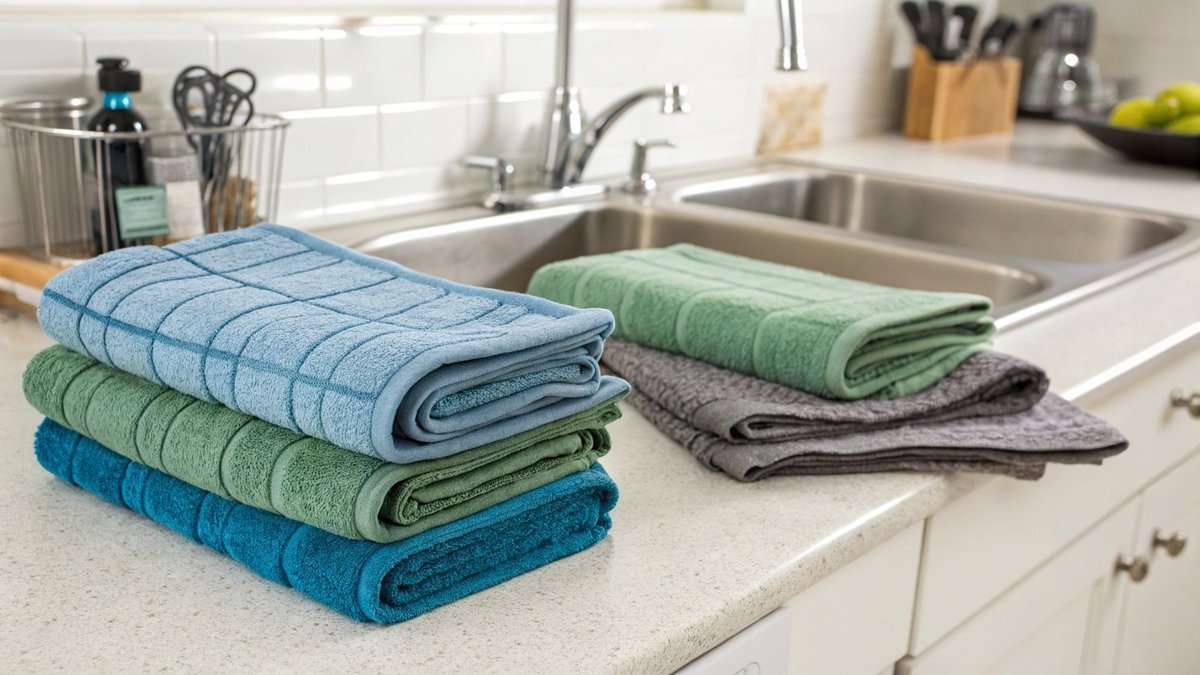
I’ve seen so many product lines fail because they didn’t consider the end-user’s daily routine. A great kitchen towel collection isn’t just one towel; it’s a set that works together. This is a key insight we share at TowelTrend. When we design a private label line for a client, we often suggest a 3-pack with different weaves or colors. This isn’t just an upsell; it’s about providing a real solution that promotes hygiene and efficiency in the kitchen. For instance, you could have a plush terry towel for hands, a flat-weave for dishes, and a durable waffle-weave for counters. This system is intuitive for the customer and solves the real-world problem of cross-contamination. It transforms a simple product into a thoughtful kitchen essential, which is exactly what modern consumers are looking for.
A Smart System for Kitchen Towel Use
Organizing your towels by task makes your kitchen cleaner and more efficient. Using the right type of towel for the job also makes the task easier.
| Task | Recommended Towel Type | Why It Works |
|---|---|---|
| Drying Hands & Dishes | Terry Cloth or Waffle Weave | High pile provides maximum surface area for great absorbency. Soft to the touch. |
| Wiping Countertops | Flat Weave (Tea Towel) or Terry | Durable for scrubbing away grime. A flat weave is less likely to leave lint. |
| Polishing Glassware | Flour Sack or Linen | Lint-free and smooth, leaving a streak-free shine on glasses and silverware. |
| Handling Hot Items | Thick, Folded Terry Towel | Offers insulation from heat. Always use a dry, folded towel and exercise caution. |
| Covering Rising Dough | Lightweight Flour Sack | Allows air to circulate while protecting the dough from drying out or collecting dust. |
Are kitchen towels hygienic?
You use your kitchen towel daily, but it could be one of the germiest items in your home. A damp towel spreads bacteria. Proper care is the only way to ensure hygiene.
Kitchen towels are only as hygienic as your cleaning routine. They can become unhygienic quickly when left damp or used for multiple tasks like wiping raw meat juices and then drying hands. Regular washing in hot water and complete drying are essential to kill bacteria.
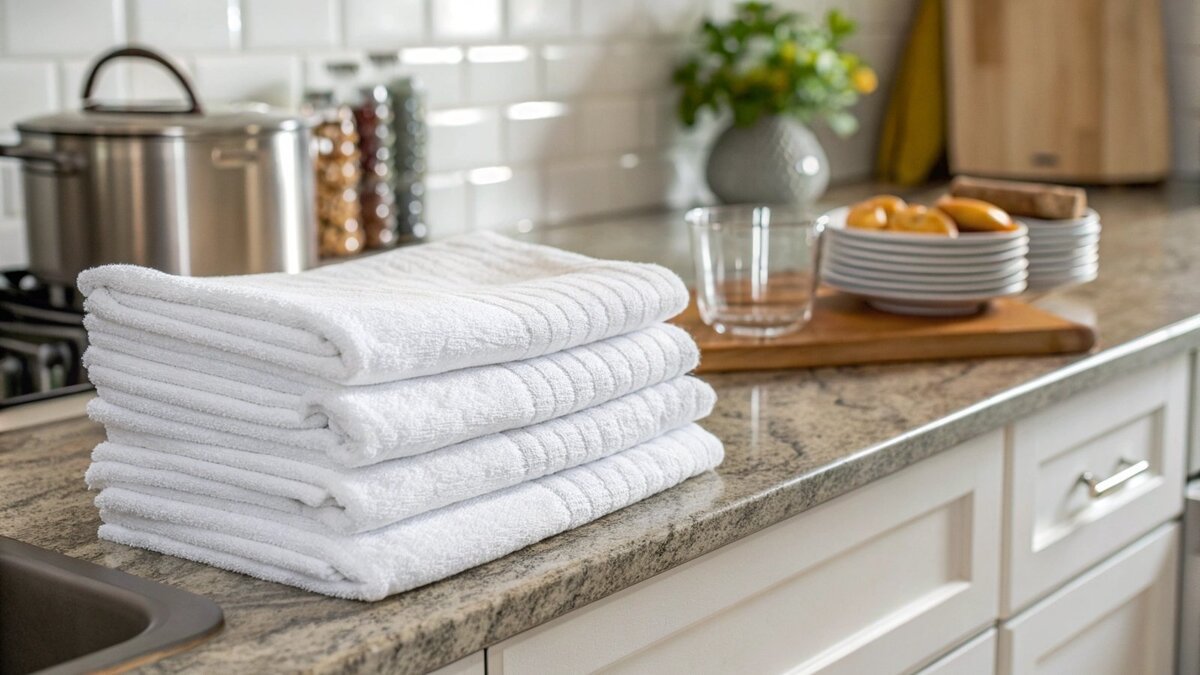
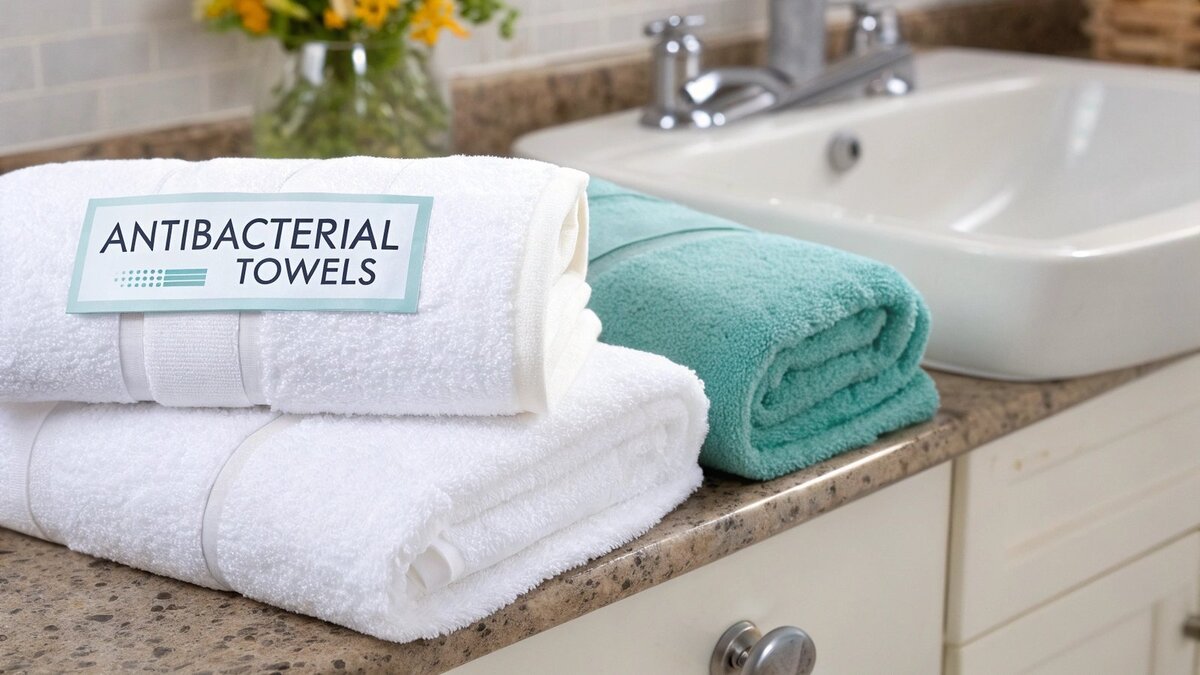
This is a major concern for brands, and rightly so. No one wants their product associated with being unhygienic. This is where manufacturing choices and consumer education meet. As a manufacturer, we focus on quality materials. For example, a 100% cotton towel is fantastically absorbent, which is great, but it can also hold moisture longer. That’s why proper care is so important. We ensure all our towels, certified by OEKO-TEX, are free from harmful substances from the start. That is the first step. The second, and most critical step, is user habit. When a brand partners with us, we can advise on care instructions that will help their customers keep the towels sanitary. It’s all about frequent washing and thorough drying. These simple habits are far more effective than any special chemical treatment.
Best Practices for Towel Sanitation
Keeping your towels clean isn’t complicated, but it is non-negotiable for a hygienic kitchen.
- Wash Frequently: Change your kitchen towel every day or two, especially in a busy kitchen. If a towel is used to clean up meat juices or other high-risk messes, it should go straight into the laundry hamper.
- Use Hot Water: Wash towels in a hot cycle, ideally at 60°C (140°F). This temperature is effective at killing most bacteria and viruses.
- Dry Completely: Dampness is the enemy. Tumble dry your towels on a high heat setting immediately after washing. Ensure they are bone dry before folding and storing them.
- Avoid Cross-Contamination: Use the system we discussed earlier. Never, ever wipe your hands on a towel you just used to clean a countertop, especially after preparing raw meat or eggs.
- Let It Air Out: Between uses, don’t leave your towel in a crumpled heap on the counter. Hang it over a hook or the oven handle so air can circulate and dry it out.
How often should you throw out kitchen towels?
Those old kitchen towels are stained and thin. They no longer absorb spills and might hold onto grime. Here’s how you know it’s time for them to go.
You don’t need a strict timeline. Throw out kitchen towels when they lose their absorbency, develop permanent odors even after washing, or have holes and frayed edges. A quality towel can last for years, while a cheap one might need replacing after a few months.

I get this question from purchasing managers who are thinking about long-term value and cost of ownership. A slightly higher upfront cost for a well-made towel can mean a much longer lifespan, saving money in the end. When we manufacture towels at TowelTrend, we focus on details like high-grade cotton yarn and reinforced, double-stitched hems. These small things make a big difference. They ensure the towel can stand up to hundreds of hot wash cycles without falling apart. A quality towel we produce should serve a busy kitchen for years, not months. When it is finally time to retire it from kitchen duty, I always suggest demoting it. It can become an excellent cleaning rag for the garage, for washing the car, or for other tough jobs. It’s a sustainable choice that gives the product a second life.
Signs Your Kitchen Towel Is Past Its Prime
Your towel will tell you when it’s ready to be replaced. Look for these clear signals.
| Sign of Wear | The Problem | What to Do |
|---|---|---|
| Decreased Absorbency | Worn-out fibers or buildup from fabric softeners can make a towel repel water instead of absorbing it. | Try washing with vinegar instead of softener. If it’s still not absorbent, its useful life is over. |
| Lingering Odors | A musty smell that won’t go away, even after a hot wash, means bacteria or mildew is deeply embedded in the fibers. | Your towel is no longer hygienic. It’s time to replace it. |
| Holes & Fraying Edges | The structural integrity of the towel is gone. It will be less effective and can start shedding lint and fibers. | The towel is no longer suitable for kitchen use. Demote it to a utility rag. |
| Permanent Stains | While not a functional problem, deep-set stains can look unappealing and may harbor locked-in grime. | This is a judgment call. If it looks unclean to you, your customers, or guests, replace it. |
Conclusion
In short, a kitchen towel is a vital tool. Using and caring for it correctly makes your kitchen safer, cleaner, and more efficient. Choose quality for the best results.