Skip to content
Struggling with towel choices? Traditional materials often fall short, leaving you with slow-drying, linty products. There’s a better way to impress your customers and streamline your inventory.
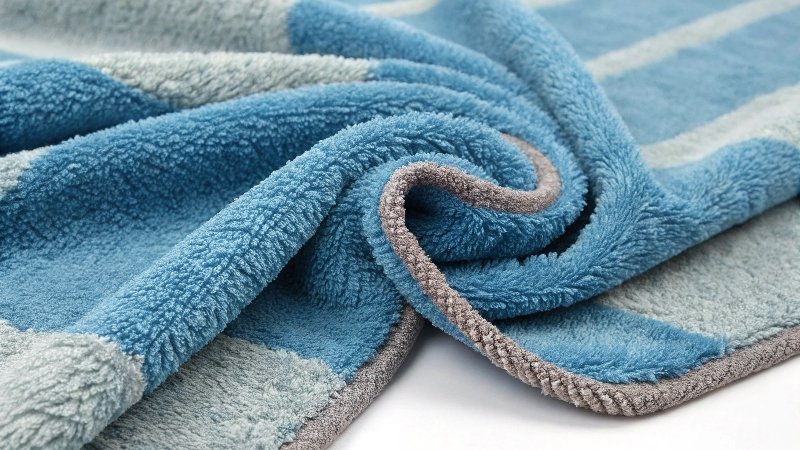
Microfiber towels are made from synthetic fibers, typically a blend of polyester and polyamide (a type of nylon). These ultra-fine threads are split to create a material that is exceptionally absorbent, quick-drying, and durable, perfect for high-performance applications.

Understanding the material is key to choosing the right towel for your brand. Many clients ask me about the specifics of microfiber, especially how it compares to traditional options like cotton. After years of guiding brands through these choices at TowelTrend, I’ve seen how the right fabric can make or break a product launch. Let’s break down the most common questions I get so you can make a confident decision for your business.
Is a microfiber towel 100% cotton?
Confused by fabric labels? It’s easy to assume all towels are similar, but mixing up materials can lead to poor performance and unhappy customers. This is a costly mistake.
No, a microfiber towel is not 100% cotton. Microfiber is a synthetic material made from polyester and polyamide. Cotton is a natural fiber from the cotton plant. They are fundamentally different materials with distinct properties, performance characteristics, and ideal use cases.

The difference between these two materials goes right down to the fiber level. I often explain this to clients who are deciding on their first product line. Cotton fibers are natural, hollow, and feel soft and fluffy. They absorb water well, but they also hold onto it, which is why cotton towels can take a long time to dry and feel heavy when wet.
Microfiber, on the other hand, is engineered. The synthetic fibers are incredibly thin—much thinner than a human hair—and are split during manufacturing. This creates a star-like cross-section with a massive surface area. Instead of just soaking up water like cotton, these split fibers actively trap water, dust, and grime within their channels. This is why microfiber is so effective.
Here’s a simple breakdown I use:
| Feature | Microfiber | 100% Cotton |
|---|---|---|
| Origin | Synthetic (Polyester/Polyamide) | Natural (Cotton Plant) |
| Fiber Structure | Split, star-shaped synthetic fibers | Hollow, natural cellulose fibers |
| Absorbency | High, holds up to 7x its weight | Good, but becomes saturated |
| Drying Time | Very fast | Slow |
For a brand, the choice depends entirely on the end-use. If you’re building a luxury hotel or spa brand, the classic plushness of cotton is hard to beat. But for a gym, travel, or cleaning brand, microfiber’s superior performance is the clear winner.
Is a microfiber towel better than cotton?
Choosing the right towel material can feel like a gamble. Pick the wrong one, and you risk a product that doesn’t meet customer expectations for performance or feel.
"Better" depends entirely on the towel’s intended job. Microfiber excels in absorbency, quick-drying, and portability, making it ideal for sports, travel, and cleaning. Cotton offers superior softness and a plush feel, making it the classic choice for bath and luxury towels.

I’ve worked in textiles since 2004, and this is the most common question I get. There is no single "best" material, only the best material for a specific purpose. Thinking about the customer’s problem is the key to selecting the right one.
When Microfiber Wins
Microfiber is a performance fabric. Its key strengths are being lightweight, ultra-absorbent, and fast-drying. This makes it perfect for active lifestyles.
- Sports & Gyms: A microfiber towel can absorb a lot of sweat but won’t feel soaked. It dries quickly in a gym bag, preventing mildew smells.
- Travel & Beach: It packs down small, weighs very little, and sand doesn’t cling to it like it does to cotton. It dries fast for packing up and moving on.
- Cleaning: The split fibers are like magnets for dust, dirt, and bacteria, trapping particles instead of just pushing them around.
When Cotton Wins
Cotton is all about comfort and luxury. Its natural fibers are soft, breathable, and feel great against the skin.
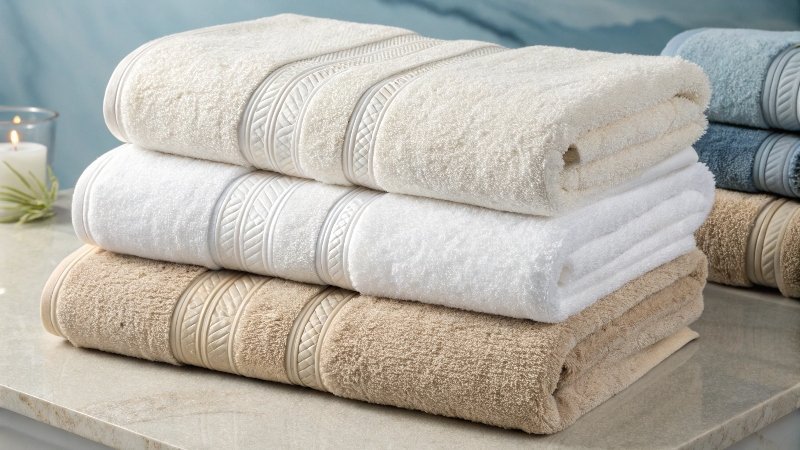
- Luxury Bath: For a spa-like experience at home, nothing beats the plush, heavy feel of a high-quality cotton bath sheet.
- Everyday Home Use: Most people are used to cotton. It’s a familiar, comfortable, and effective choice for hand and bath towels in a home setting.
A new fitness brand once came to me wanting "fluffy" towels. After we discussed their target customer—gym-goers needing performance—we switched to a custom microfiber blend. Their sales took off because the product solved a real problem for their audience.
Why can’t you put microfiber towels in the dryer?
Worried about ruining your inventory? Improper care instructions can destroy high-quality towels, leading to customer complaints and returns. It’s a costly mistake to make for any brand.
You can put microfiber in the dryer, but only on low or no heat. High heat melts the fine polyester and polyamide fibers. This damage fuses the strands together, ruining their softness, absorbency, and ability to trap dirt. The towel becomes stiff and useless.

This is a critical point that I always emphasize to my private label clients. The synthetic nature of microfiber makes it sensitive to heat. Polyester and polyamide are essentially forms of plastic. When exposed to high temperatures, like in a hot dryer cycle, those ultra-fine fibers melt and fuse.
The Impact of High Heat
When the fibers melt, the towel is permanently damaged.
- Structure is Destroyed: The splitting process creates the star-shaped fibers that give microfiber its power. Heat destroys this structure, turning the fibers into useless, hardened clumps. The towel loses its ability to absorb moisture effectively.
- Softness is Lost: A heat-damaged microfiber towel feels stiff, scratchy, and rough. It’s no longer pleasant to use on skin or delicate surfaces.
- Cleaning Power Vanishes: The towel’s ability to attract and trap dust and debris is gone. It will just push dirt around.
Best Practices for Care
This is the information you must pass on to your customers.
- Washing: Wash with non-linting synthetics. Avoid cottons, as microfiber will pull the lint from them. Never use fabric softener, as it clogs the spaces between the fibers.
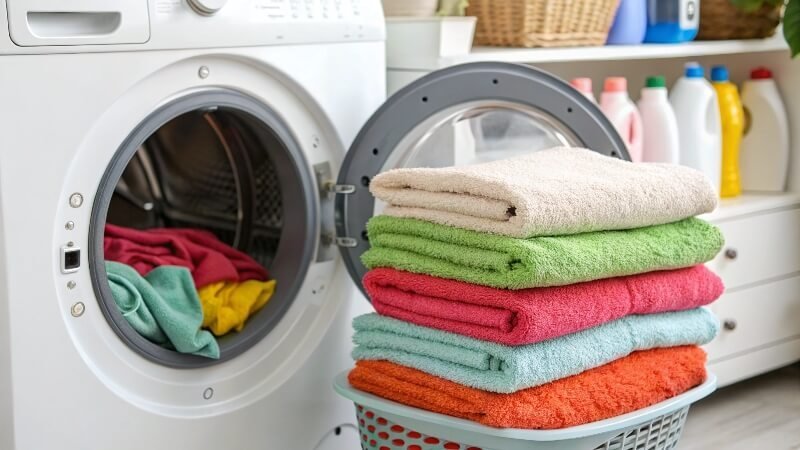
- Drying: Air drying is the safest and best method. If using a machine, always select the lowest heat setting or an air-tumble-only cycle.
When we create a turnkey towel solution for a brand at TowelTrend, providing correct care instructions for the product’s label is part of our service. Getting this right prevents customer issues and protects your brand’s reputation.
What material is 100% microfiber?
Navigating material specs can be tricky. Using a term like "100% microfiber" without understanding it can confuse buyers and misrepresent your product, damaging your brand’s credibility.
The term "100% microfiber" means the fabric is made entirely of microfiber threads, not blended with other types of yarn like cotton or bamboo. The microfiber threads themselves are almost always a blend, most commonly 80% polyester and 20% polyamide.

This is a point of confusion I clear up for clients all the time. Think of it this way: the fabric is 100% microfiber, but the microfiber itself is made of two different components. Each component plays a crucial role.
Understanding the Blend
- Polyester: This is the workhorse of the blend. It provides the structure, strength, and durability of the towel. It’s also responsible for the scrubbing and cleaning power.
- Polyamide (Nylon): This is the more expensive component. It adds softness and is highly absorbent, drawing water into the fiber. A higher polyamide percentage generally means a softer, more absorbent towel.
The ratio of polyester to polyamide is a key specification that determines the towel’s final characteristics. Different blends are suited for different tasks.
| Blend Ratio (Polyester/Polyamide) | Key Characteristics | Best Use Case |
|---|---|---|
| 80/20 | The industry standard. A great balance of softness, absorbency, and durability. | All-purpose, sports towels, bath towels |
| 70/30 | Softer and more absorbent due to more polyamide. | Premium cleaning cloths, face towels |
| 90/10 | More durable and better for scrubbing, but less absorbent. | Heavy-duty cleaning, glass and polishing |
When a client wants to start a private label towel line, I ask them about the end-user’s needs. This helps us select the perfect blend. The 80/20 blend is our most popular for sports and travel towels because it gives the best all-around performance at a good price point.
Conclusion
Microfiber is a versatile synthetic material made of polyester and polyamide. Its unique properties make it a top choice for performance towels, but proper blend selection and care are key.