Skip to content
Confused by towel jargon from suppliers? Choosing the wrong fabric can disappoint customers and hurt your brand’s reputation. Let’s demystify the common towel fabric names for you.
The most common fabric for towels is called terry cloth, which is usually made from 100% cotton. Other key fabric names you’ll encounter include microfiber, waffle weave, velour, and materials like bamboo or linen. Each has unique properties suited for different markets and uses.
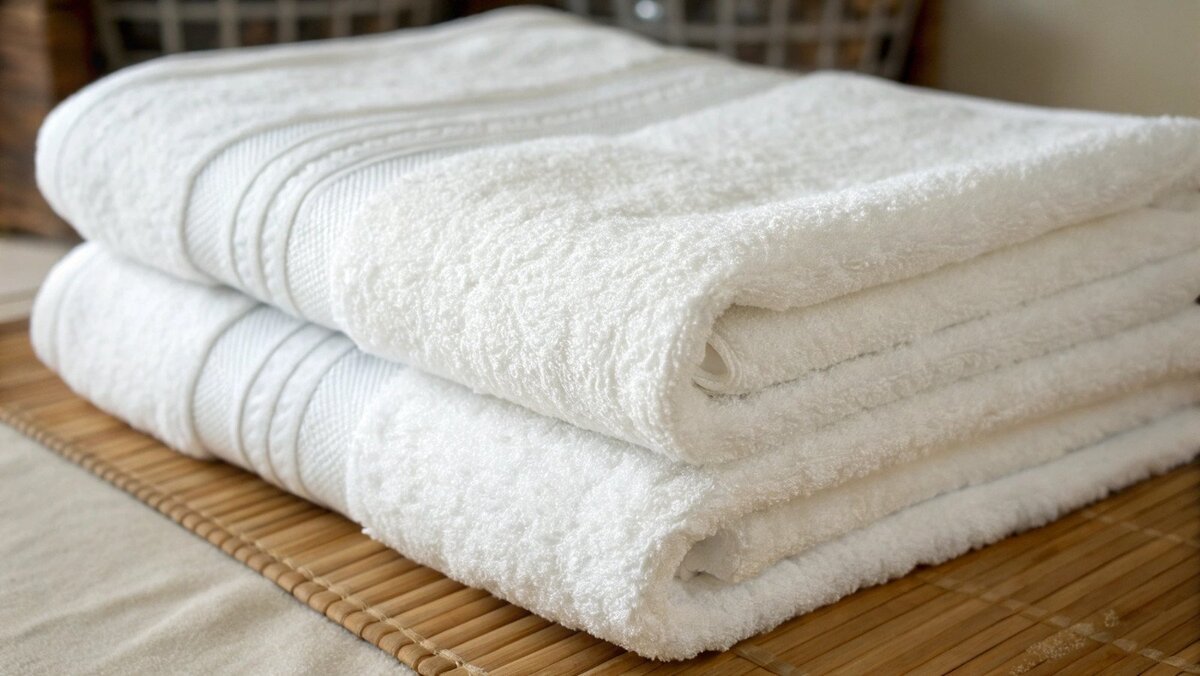
Choosing the right towel is about more than just color and size; the fabric itself defines its performance and feel. As a brand, understanding the difference between Egyptian cotton terry and a microfiber waffle weave is crucial for meeting your customers’ expectations. Getting the fabric wrong means you might be selling a slow-drying towel to a gym-goer or a rough towel for a luxury spa. In this guide, I’ll break down the exact fabric types, names, and weaves we work with every day. This will give you the confidence to select the perfect towel for your business and communicate your needs clearly to any manufacturer.
What type of fabric is used for towels?
Are you feeling overwhelmed by all the material options for your towel line? Picking between cotton, bamboo, or microfiber is tough without knowing the pros and cons of each.
The vast majority of towels are made from cotton, prized for its natural softness and absorbency. However, other materials like ultra-absorbent microfiber, sustainable bamboo, and rustic linen are also widely used for specific applications, from gym towels to high-end spa textiles.
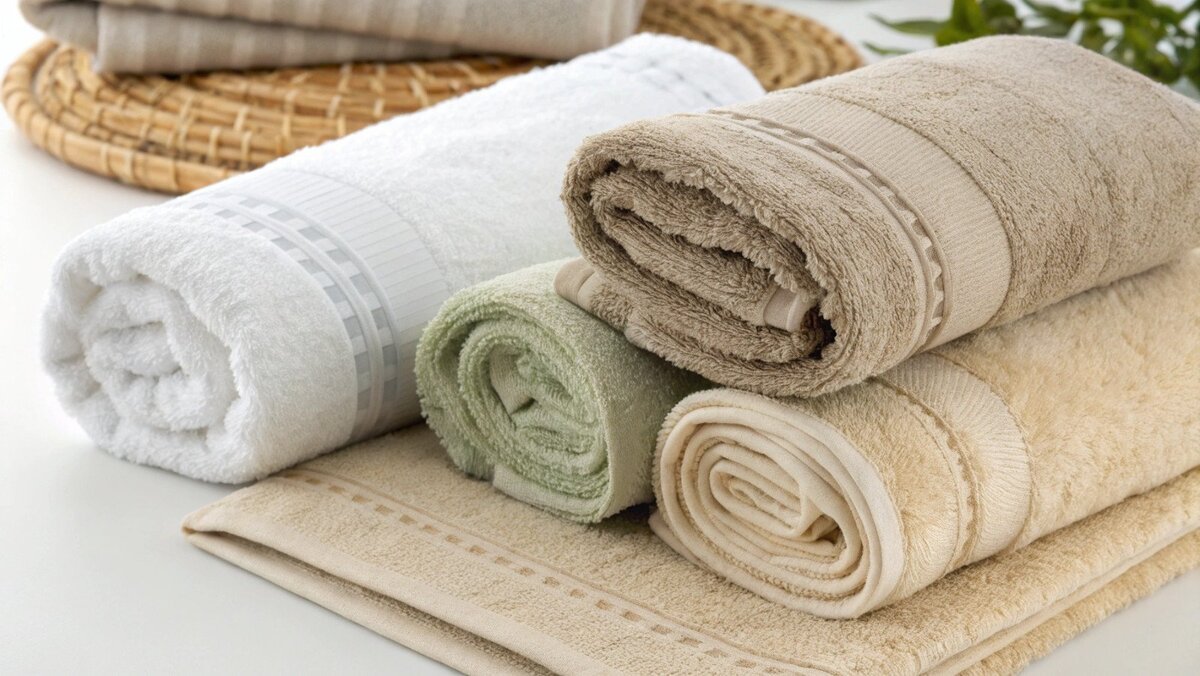
When clients come to me, the first thing we discuss is the base material, as this decision impacts everything from cost to performance. Cotton is the industry standard for a reason, but the "right" choice depends on your target customer. For example, a brand focused on eco-conscious consumers might lean toward bamboo, while a startup making towels for athletes will almost always benefit from microfiber. I’ve seen brands succeed with all of these materials by aligning the fabric’s properties with their brand promise. To make it easier, I’ve broken down the main contenders below.
Comparing Common Towel Materials
Each material offers a different balance of softness, absorbency, and durability. Here’s a quick comparison to help you decide.
| Material | Key Properties | Best For | My Insight |
|---|---|---|---|
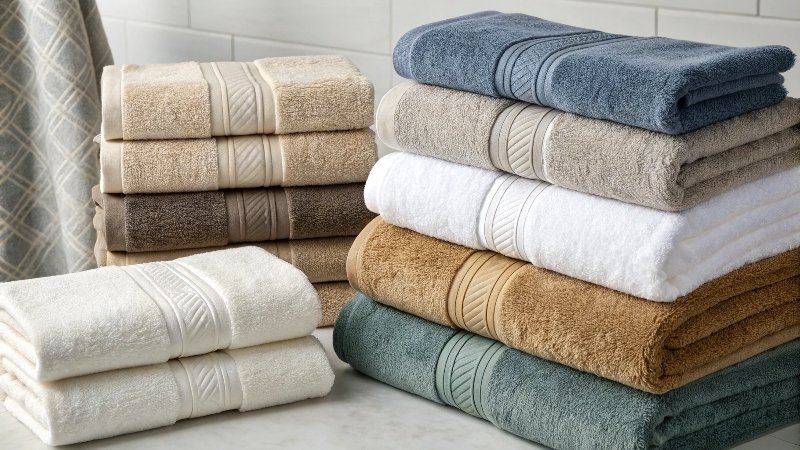
| Cotton | Soft, absorbent, breathable, durable | Everyday use, hotels, home goods | The most versatile and trusted option. Long-staple cotton (like Pima or Egyptian) offers a significant upgrade in luxury. |
| Microfiber | Ultra-absorbent, quick-drying, lightweight, compact | Gym, travel, cleaning, beach | A client launching a travel accessories line started with our 500-piece MOQ on microfiber towels and sold out in a week. |
| Bamboo | Very soft, absorbent, naturally antibacterial, sustainable | Spa, baby products, luxury bath | It has a silky feel but can be less durable than cotton over many wash cycles. Often blended with cotton to improve strength. |
| Linen | Gets softer with each wash, highly durable, lint-free | Kitchen towels, decorative guest towels | Less absorbent initially than cotton, but its durability and classic look make it a premium choice for specific niches. |
What is the best fabric for towels?
Every brand wants to offer the "best" towel fabric. But the definition of "best" changes dramatically depending on whether the towel is for a 5-star hotel or a cross-country backpacker.
For all-around luxury, softness, and absorbency, 100% long-staple cotton (like Egyptian or Pima) is widely considered the best fabric. However, for performance needs like quick drying and portability, microfiber is the superior choice, making it the "best" for sports and travel.
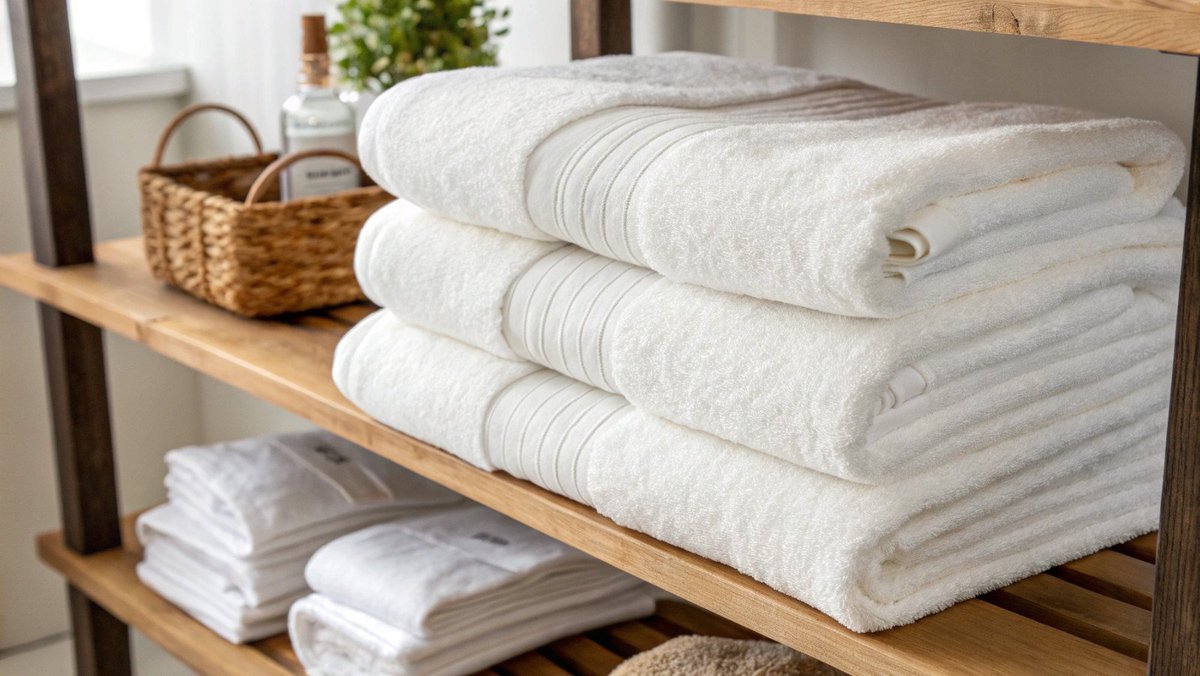
I always tell my clients, "Don’t chase one ‘best’ fabric. Instead, find the best fabric for your specific customer." A luxury hotel client of ours saw a measurable increase in positive guest reviews mentioning the "incredibly soft towels" after we switched their line from standard cotton to 650 GSM Pima cotton. On the other hand, a brand selling to fitness enthusiasts would get complaints if they used that same thick, slow-drying towel. The "best" towel is one that perfectly solves your customer’s problem, whether that’s drying off in luxury or packing light for an adventure. Let’s look at what "best" means in different contexts.
Matching Fabric to Function
The ideal fabric is determined by its intended use. Here’s how to choose wisely for your target market.
For Luxury Hotels & Premium Home Brands
Here, "best" means plush, heavy, and highly absorbent. The goal is to create a spa-like experience.
- Fabric: 100% Long-Staple Cotton (Egyptian, Pima).
- Why: The long fibers create a towel that is exceptionally soft, strong, and absorbent. A high GSM (Grams per Square Meter), typically 600-800, provides a weighty, luxurious feel that communicates quality and comfort.
For Gyms, Sports & Travel
For this market, "best" means functional, lightweight, and fast-drying. Bulkiness is a major drawback.
- Fabric: Microfiber (typically an 80% polyester, 20% polyamide blend).
- Why: Microfiber can hold multiple times its weight in water yet dries incredibly fast. It’s also thin and packs down small, making it perfect for a gym bag or suitcase. It’s the ultimate performance fabric.
For Salons, Spas & Healthcare
Here, "best" requires durability to withstand frequent, harsh washing and sometimes chemical exposure (like bleach or dyes).
- Fabric: Vat-Dyed Cotton or Blended Terry.
- Why: Vat dyeing is a process that infuses color into the core of the cotton fibers, making the towels exceptionally colorfast and resistant to fading from bleach. This ensures the towels maintain a uniform, professional look after hundreds of wash cycles.
What fabric is like a towel?
Looking for a towel-like feel but want something different from the classic terry cloth? Many brands look for unique textures to stand out in a crowded market.
Fabrics that have towel-like properties include waffle weave, velour, and microfiber. Waffle weave offers a lightweight and exfoliating texture, while velour provides a plush, velvety surface. Microfiber mimics terry’s absorbency in a much thinner, quick-drying format.

Exploring alternative weaves is a great way to innovate. A towel doesn’t have to be a standard looped terry cloth. In fact, some of the most successful niche products we’ve helped create use different weaves to target specific customer needs. For example, a client wanted a towel for their skincare brand. We recommended a waffle weave because its unique texture provides gentle exfoliation. Another client wanted to print a detailed, full-color photo on a beach towel. For them, terry velour was the perfect solution, as the sheared surface creates a smooth canvas for printing that you can’t get with a standard loop.
Exploring Alternative Weaves and Finishes
The texture of a towel is defined by its weave or finish. Here are a few popular alternatives to standard terry cloth.
| Weave / Finish | Construction & Feel | Best Use Case | My Insight |
|---|---|---|---|
| Waffle Weave | Woven in a honeycomb pattern. It’s lightweight, absorbent, and becomes softer with use. | Spa robes, kitchen towels, lightweight bath towels | This weave is excellent for brands targeting a minimalist or natural aesthetic. It dries faster than terry, which is a great selling point. |
| Velour | Terry cloth with the loops on one side sheared off. This creates a velvety, plush surface. | Beach towels, promotional towels | The sheared side is less absorbent but incredibly soft and perfect for printing vibrant, detailed logos or images. The other side is left looped for absorbency. |
| Ribbed Weave | Features channels or "ribs" in the fabric. This adds a textural element. | Decorative towels, bath mats, premium bath towels | The texture can add a modern, designed look to a product line. It also provides a slightly different hand-feel that customers notice. |
What is a towel fabric called?
When you talk to a manufacturer, using the right terminology is critical. Asking for "that fluffy towel fabric" can lead to confusion and sampling delays. You need to know the official name.
The classic, looped-pile fabric that most people recognize as a towel is called terry cloth. It is also sometimes referred to as "terry toweling." This is the industry-standard term for this highly absorbent weave.
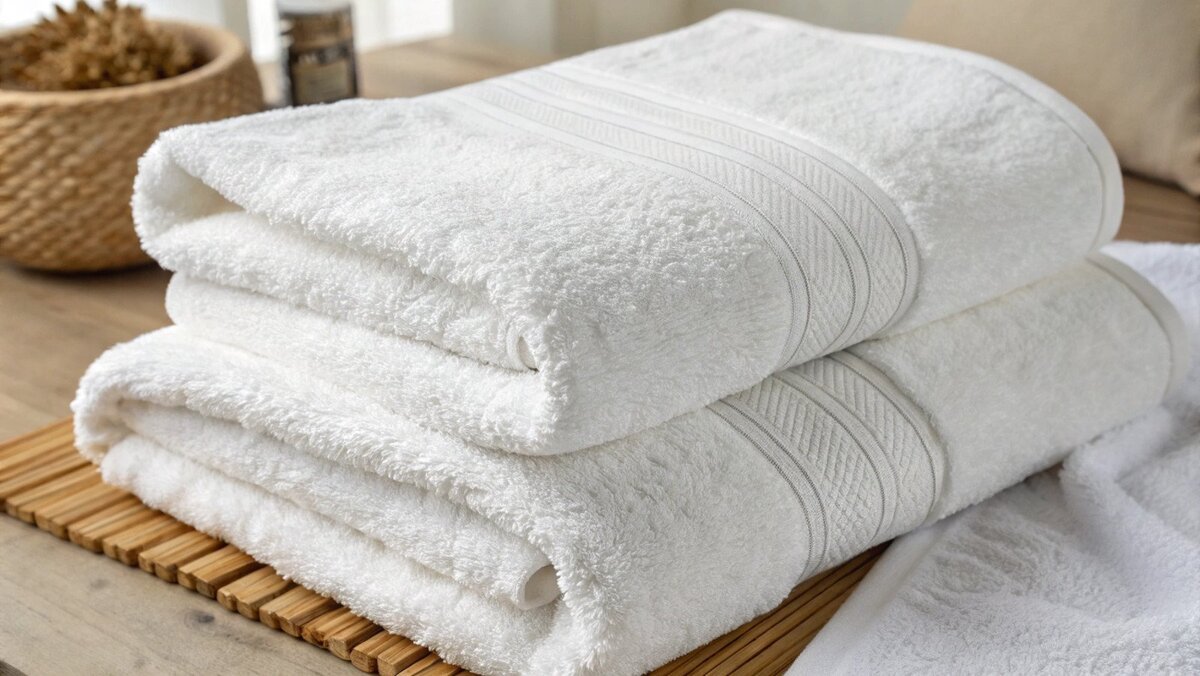
Terry cloth is the workhorse of the towel world. Its secret lies in the uncut loops (called "pile") that stand up from the base fabric, acting like tiny sponges to soak up water. When you’re specifying a towel order, "terry cloth" is your starting point. But the conversation quickly moves to the next, most important detail: its weight, or GSM. I’ve seen many promising projects get stuck because the client specified "high quality" instead of a target GSM. For us as manufacturers, GSM is the language of quality. It tells us the density, plushness, and absorbency you’re looking for.
Understanding Terry Cloth and GSM
Terry cloth isn’t just one thing; its quality and feel are measured by weight.
How Terry Cloth is Made
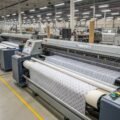
Terry cloth is produced on a special loom with two warp beams. One warp creates the base fabric (ground warp), while the other creates the loops (pile warp). This pile warp is left slack, and as the weft threads are beaten into place, the slack forms the loops that make terry so absorbent.
The Importance of GSM
GSM stands for Grams per Square Meter. It’s a direct measure of the towel’s density and weight. A higher GSM means more cotton fiber is packed into the fabric, resulting in a heavier, more absorbent, and plusher towel.
Here’s a simple guide I give my clients:
| GSM Range | Quality & Feel | Common Use |
|---|---|---|
| 300-400 GSM | Lightweight, thinner, dries quickly. | Promotional towels, basic gym towels. |
| 400-600 GSM | Medium weight, good absorbency and softness. | Standard for everyday bath towels, hotels, and brandable merchandise. |
| 600-900 GSM | Heavyweight, ultra-plush, highly absorbent, luxurious feel. | Luxury hotels, spas, high-end retail brands. |
When you start your next towel project, lead with your target GSM. It will make the entire process—from quoting to sampling—faster and more accurate.
Conclusion
The main towel fabric is terry cloth, usually from cotton. The "best" fabric depends on the end-use, with cotton for luxury and microfiber for performance. Understanding these names clarifies sourcing.