Skip to content
Getting kitchen towel sizes wrong is frustrating. They’re either too small for big spills or too bulky for your drawer. Let’s find the perfect size for your brand’s needs.
Standard kitchen towels typically measure around 18 x 28 inches (45 x 71 cm). This size offers great versatility for drying dishes and hands. However, sizes can vary, so it’s key to match the dimensions to the towel’s intended job in the kitchen.
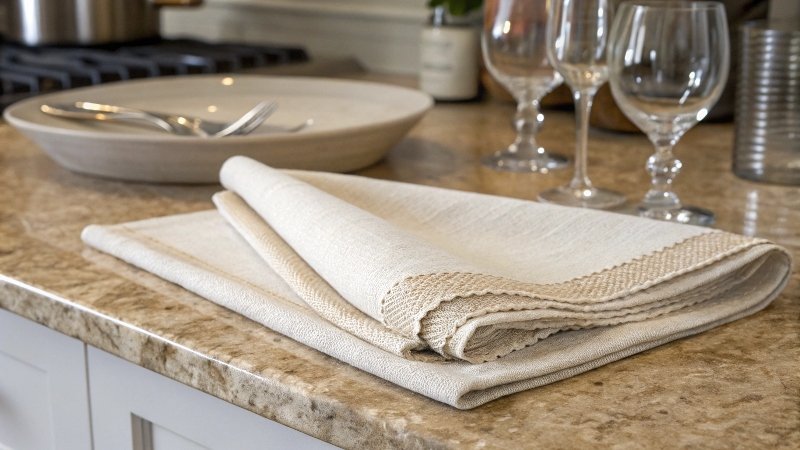
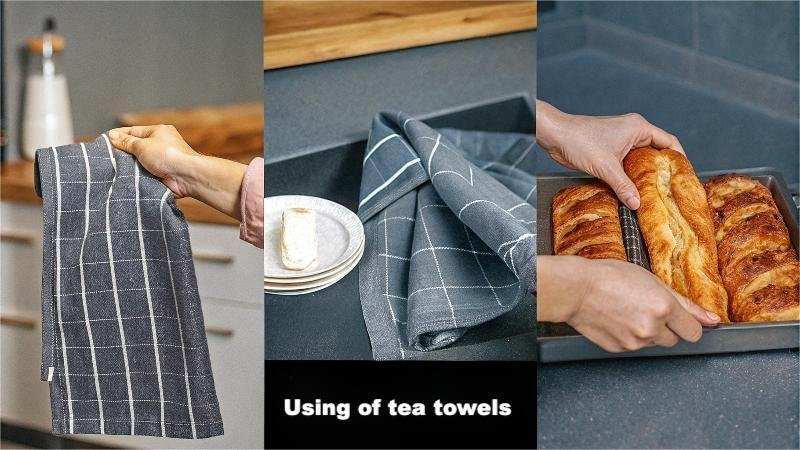
Now that we know the standard, let’s look closer. The world of kitchen linens is surprisingly specific. Different names often mean different sizes and jobs. A client once ordered a large batch of "kitchen towels," but what they really envisioned were smaller, lint-free "dish towels" for their restaurant supply brand. This small mix-up almost delayed their launch. It taught me how important it is to be precise. Let’s break down these differences so you can make confident choices for your sourcing.
Why Do Standard Kitchen Towel Sizes Matter?
Choosing a towel size seems simple, right? But the wrong dimension means it won’t hang right or absorb enough for your customers. Let’s see why the standard 18×28 inch size works so well.
The standard 18 x 28-inch size is popular because it’s perfectly balanced. It’s large enough for effectively drying dishes and hands but not so bulky that it becomes hard to handle or store. This balance ensures maximum utility and customer satisfaction.

The 18 x 28-inch (45 x 71 cm) dimension isn’t a random number. It’s a design standard refined over years for peak kitchen performance. Let’s break down why it’s the go-to choice for so many brands I work with.
Functionality and Coverage
This size provides enough surface area to dry multiple dishes, a large pot, or your hands without becoming soaked instantly. It’s also large enough to handle hot pot handles in a pinch. When I work with brands launching their first kitchen line, we usually start here because it meets the widest range of consumer expectations. It’s a safe, reliable choice.
Storage and Aesthetics
Aesthetics matter, even for a utility item. A standard towel folds neatly into a drawer. It also hangs perfectly from an oven or dishwasher handle without dragging on the floor. This consistent look is crucial for home goods brands.
| Towel Size (Inches) | Primary Use Case | Best For… |
|---|---|---|
| 18 x 28 | All-purpose drying (dishes, hands) | General household and retail brands |
| 16 x 26 | Slightly smaller, good for smaller kitchens | RVs, compact living spaces, gift sets |
| 20 x 30 | Larger, more absorbent for heavy-duty tasks | Professional kitchens, serious home cooks |
At TowelTrend, I often advise new clients to start with the 18×28 standard for their initial 500-piece test order. It’s the most recognizable and versatile option, which helps minimize market risk.
What Is the Difference Between a Dish Towel and a Kitchen Towel?
The terms "dish towel" and "kitchen towel" seem the same. But using them incorrectly when sourcing can lead to ordering the wrong product. Let’s clear up the confusion for good.
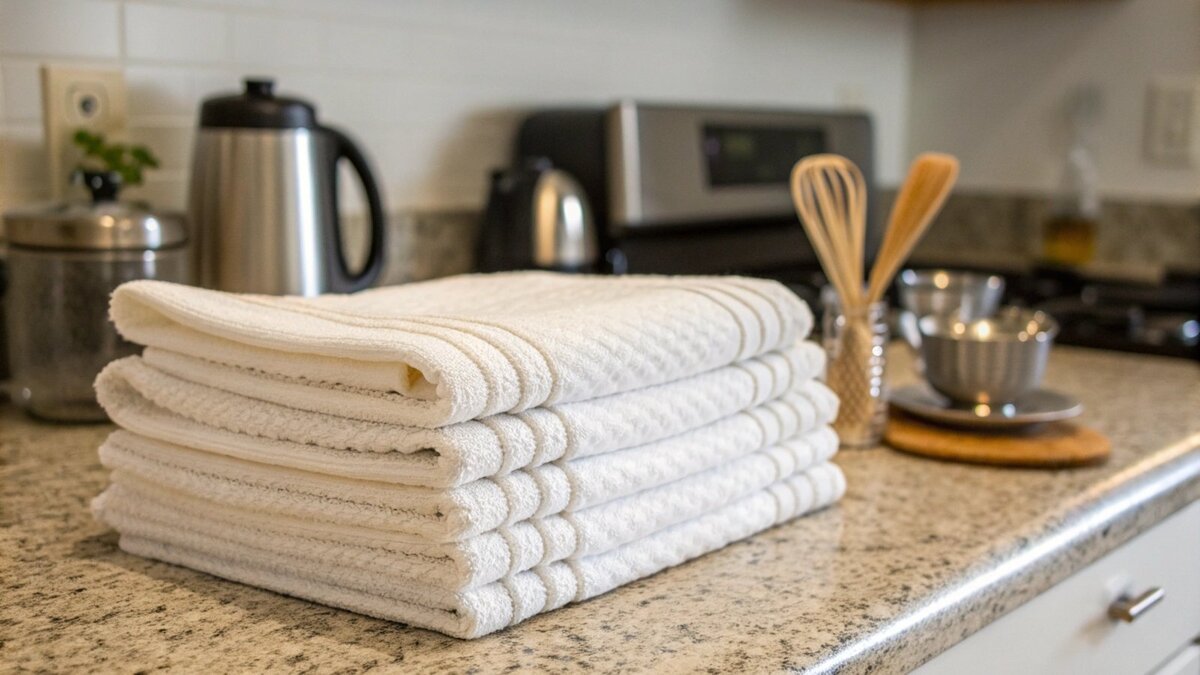
A kitchen towel is an all-purpose tool for drying hands and surfaces, often made of absorbent terry cloth. A dish towel is specifically for drying dishes and glassware, usually made from flat-woven, lint-free cotton or linen for a streak-free finish.

While many people use these terms interchangeably, in the textile industry, they describe two very different products. Understanding this is critical when you’re developing a product line. Your customer will expect the towel to perform a certain way based on its construction.
Material and Weave
The biggest difference is the fabric’s construction. A "kitchen towel" is often what people think of as a hand towel for the kitchen. It’s absorbent and frequently made from terry cotton to soak up water quickly. A "dish towel" is made from a flat weave like flour sack, linen, or a tight jacquard cotton. The main goal here is to dry glassware and plates without leaving lint behind.
Primary Function
Think of it this way: kitchen towels absorb, and dish towels polish. I had a client creating a high-end gift box for wine lovers. They initially requested a quote for terry "kitchen towels." After we discussed that the end-use was polishing wine glasses, we switched to a lint-free, flat-weave "dish towel." That small change made their product much more valuable to their target audience.
| Feature | Kitchen Towel | Dish Towel |
|---|---|---|
| Primary Job | General drying (hands, spills, counters) | Drying and polishing dishes/glassware |
| Weave | Terry loops, waffle weave (absorbent) | Flat weave, flour sack, jacquard, linen (lint-free) |
| Best For | All-purpose cleaning and drying | Achieving a streak-free, lint-free finish |
What Are Small Kitchen Towels Called?
Sometimes you just need a small cloth for a quick wipe. But "small kitchen towel" isn’t a very specific term for sourcing. Let’s look at what these handy little cloths are actually called.
Small kitchen towels are most commonly called dishcloths or washcloths. Typically square-shaped, around 12 x 12 or 13 x 13 inches, they are used for washing dishes, wiping counters, and scrubbing surfaces rather than for drying.

Going smaller than a standard towel brings us into a new category of kitchen linens with specific jobs. Knowing the right name is crucial for sourcing the exact product your customers need.
Dishcloths vs. Bar Mops
The most common term is dishcloth. These are typically square, around 12×12 inches, and used with water and soap for washing. They often have a textured surface like a waffle weave to help with scrubbing. A bar mop is a bit different. It is a tool often found in commercial settings. It’s usually a bit larger and thicker than a dishcloth, highly absorbent, and designed for wiping down bar tops and soaking up spills quickly.
Material Choices for Small Towels
When I consult with clients building a kitchen textile line, we often create a set. A typical direct-to-consumer set might include a kitchen towel for hands, a dish towel for glasses, and a dishcloth for washing. This bundling strategy provides a complete solution.
| Towel Type | Typical Size (Inches) | Best Material | Primary Use |
|---|---|---|---|
| Dishcloth | 12 x 12 or 13 x 13 | Terry, Waffle, Cotton | Washing dishes, wiping counters |
| Bar Mop | 16 x 19 (approx.) | Ribbed Terry Cotton | Soaking up spills, commercial cleaning |
We can easily produce multi-item sets, bundling different towel types and sizes into one retail-ready package. This is possible even for small initial DDP orders shipped right to your door.
What Towels Do They Use in Professional Kitchens?
Ever wonder how professional kitchens stay clean despite the chaos? Their secret weapon is their towels. Let’s look at the heavy-duty towels that chefs and restaurant staff rely on daily.
Professional kitchens primarily use bar mops and flour sack towels. Bar mops are thick, absorbent cotton towels for spills and cleaning. Flour sack towels are thin, lint-free, and versatile, used for everything from drying herbs to straining sauces.

In the high-pressure environment of a professional kitchen, towels are essential tools, not decorations. Durability, function, and cost-effectiveness are the only things that matter. That’s why chefs almost exclusively rely on two types of towels.
The Workhorse: Bar Mops
These are the thick, ribbed, and incredibly absorbent towels you see tucked into every chef’s apron. Usually made of 100% cotton, they are built to endure constant, harsh washing. Their main job is absorbing spills, wiping down stations, and grabbing hot pans. For our hospitality clients, we manufacture these with reinforced stitching because we know they will be subjected to intense commercial laundering.
The Multitasker: Flour Sack Towels
Flour sack towels are large, thin, and lint-free cotton sheets. Their versatility is unmatched. Chefs use them for straining stocks, covering rising dough, drying delicate greens, and even polishing silverware. I remember a large order for a culinary school. They needed towels that were both durable and food-safe. We ensured their flour sack towels were OEKO-TEX certified, giving them peace of mind for direct food contact.
| Towel Type | Key Feature | Main Uses in a Pro Kitchen |
|---|---|---|
| Bar Mop | Heavy, durable, absorbent | Cleaning spills, wiping surfaces, handling hot items |
| Flour Sack Towel | Lint-free, thin, large | Straining, proofing dough, drying produce, polishing |
For our clients in the hospitality supply industry, consistency is everything. We keep detailed records of weave and shade lots to ensure every reorder matches the last one perfectly.
Conclusion
Choosing the right kitchen towel size and type isn’t complicated. It’s about matching the towel’s material and dimensions to its specific job for the best performance and user experience.