Skip to content
Tired of bulky, slow-drying towels that are rough on your hair and skin? Microfiber towels solve this with superior absorption, fast drying, and a gentle touch for better results.
The key benefits of microfiber towels are their exceptional absorbency, quick-drying properties, and softness. They are lightweight, durable, and excellent for cleaning, drying hair, and general body use because the fine fibers trap moisture and dirt effectively without being abrasive.

Those benefits sound great on paper, but how do they translate to real-world use? As someone who has overseen the production of millions of towels since 2004, I’ve seen firsthand how microfiber performs in different situations. Let’s break down the specific questions brands and buyers ask me all the time. This will help you decide if microfiber is the right choice for your product line.
Is a microfiber towel good for hair?
Does your regular towel cause frizz and breakage when drying your hair? The rough fibers can be damaging. A microfiber towel absorbs water gently, protecting hair integrity and reducing drying time.
Yes, a microfiber towel is excellent for hair. Its smooth texture reduces friction, which means less frizz and breakage compared to traditional terry cloth. It absorbs water quickly, cutting down on blow-drying time and heat damage, making it ideal for delicate, curly, or color-treated hair types.
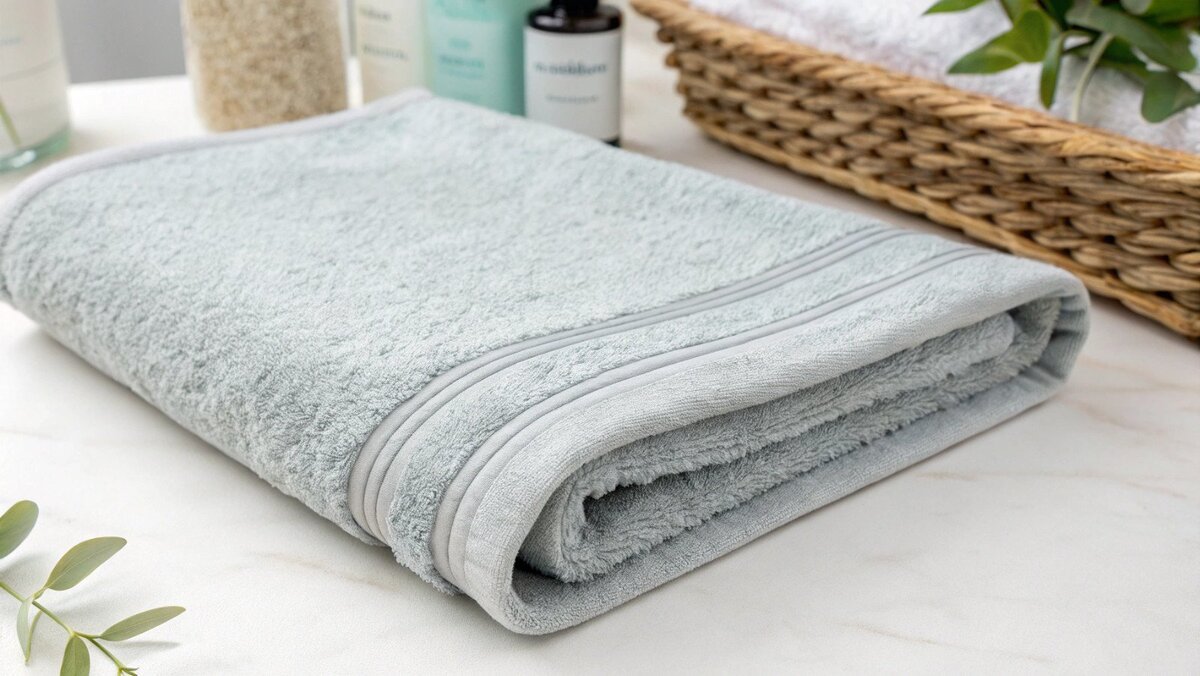
In my years of working with beauty brands, the "hair question" comes up constantly. The answer is in the structure of the towel itself. A standard cotton towel has large, looped fibers. When you rub it on your wet hair, these loops snag on the raised hair cuticles. This causes friction, leading to frizz and split ends. Microfiber is different. Its fibers are incredibly fine—much finer than a strand of silk. This means they glide over the hair, absorbing water through capillary action instead of force. This gentle approach is a game-changer. I often explain to clients that hair is most fragile when it’s wet. Protecting it during the drying process is critical.
Cotton vs. Microfiber for Hair
| Feature | Standard Cotton Towel | Microfiber Hair Towel |
|---|---|---|
| Fiber Texture | Rough, large loops | Smooth, ultra-fine strands |
| Friction | High | Low |
| Water Absorption | By rubbing | By wicking (capillary action) |
| Result | Frizz, potential breakage | Smoother cuticles, less frizz |
| Drying Time | Slower | Faster |
This is why brands targeting customers with curly, fine, or damaged hair almost always choose microfiber for their hair wraps and turbans. It helps preserve the hair’s natural pattern and health. It’s not just about drying; it’s about protecting the hair when it’s most vulnerable.
What are the cons of microfiber towels?
Microfiber sounds like a miracle fabric, but are there downsides? Choosing a material without knowing its limitations can lead to issues with care, longevity, and environmental impact later on.
The main cons are environmental and care-related. Microfiber is made from plastics (polyester, polyamide) and can shed microplastics when washed. It also requires specific care: no fabric softener, no high heat. Additionally, low-quality microfiber can feel synthetic and less plush than premium cotton.

As a manufacturer, transparency is key for me. I always make sure my clients understand the full picture of microfiber. The benefits are clear, but the drawbacks are just as important for making a smart business decision. It’s my job to guide them to the right product for their market.
Environmental Impact
The biggest concern is that microfiber is a synthetic material, usually a blend of polyester and polyamide. When washed, these fabrics can release tiny plastic fibers, or microplastics, into the water system. For brands with a strong eco-conscious message, this is a major consideration. One way to mitigate this is to educate customers on using a special laundry bag that traps these fibers.
Special Care Requirements
You can’t treat microfiber like a regular cotton towel. High heat from a dryer can melt the fine fibers, ruining the towel’s softness and absorbency. Fabric softeners are also a no-go; they coat the fibers and clog the microscopic spaces that make the towel so absorbent. This is a crucial point of education for the end-user.
The "Feel" Factor
Finally, not all microfiber is created equal. Cheap, low-quality microfiber can feel slippery or static-y and lacks the plushness of high-grade cotton. However, premium microfiber, like the kind we produce at TowelTrend, can be engineered to have a suede-like or terry-like feel that is both soft and effective. It’s about selecting the right GSM (grams per square meter) and blend for your desired product.
Are microfiber towels better for the body?
Does drying off with a heavy, damp towel feel like a chore? A traditional towel can be slow to absorb. Microfiber offers a faster, lighter way to dry your body.
Whether microfiber is "better" for the body depends on preference. It’s superior for quick drying and portability, making it perfect for travel, sports, or the gym. However, some people prefer the thick, plush feel of a high-quality cotton bath towel for at-home luxury.
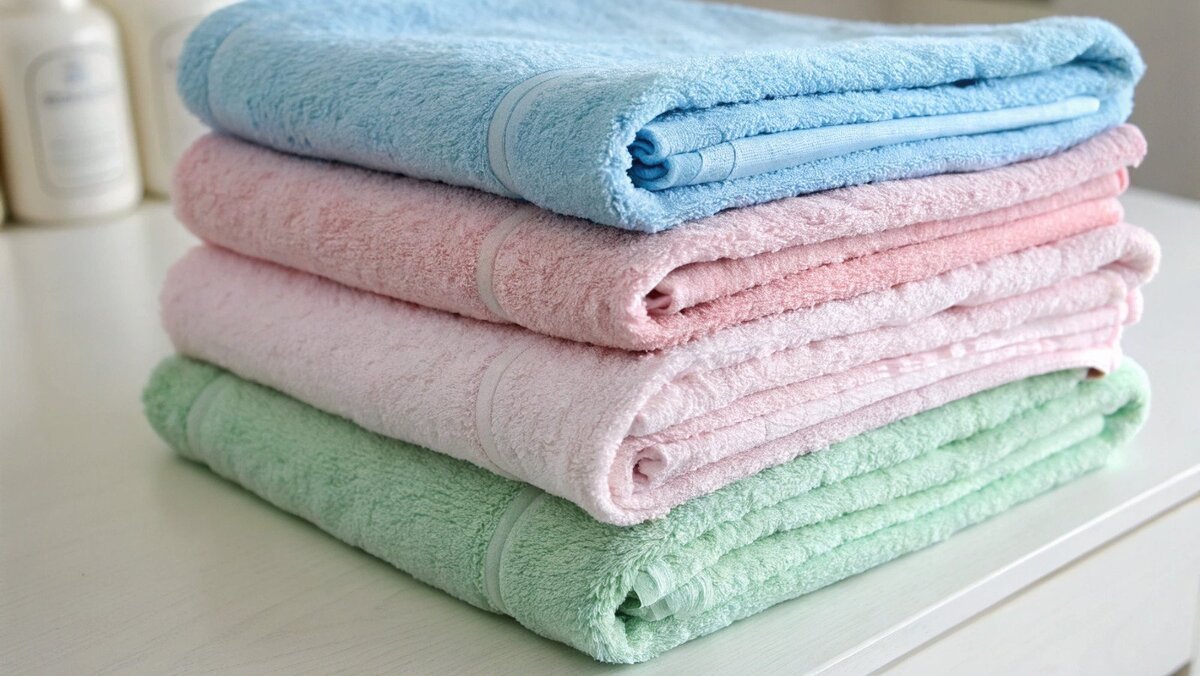
The question of whether microfiber is better for the body is one I discuss with clients almost every day. The answer isn’t a simple yes or no; it depends entirely on the intended use and customer expectation. A brand developing a compact gym towel will have different priorities than one creating a luxury bath sheet. The context is everything.
Use Case: Performance vs. Plushness
For performance-driven applications, microfiber is the clear winner. For luxury, cotton often has the edge.
| Application | Why Microfiber Excels | Why Cotton Might Be Preferred |
|---|---|---|
| Gym/Sports | Lightweight, compact, super absorbent, dries fast in a locker. | N/A |
| Travel/Backpacking | Takes up minimal space and weight, can be reused quickly. | N/A |
| Beach | Dries quickly in the sun, sand doesn’t stick to it as easily. | Can be larger and more plush for lounging. |
| Daily Home Use | Dries you off fast and efficiently. | The classic, heavy, plush "spa" feel. |
The drying technique is also different. With a cotton towel, we tend to rub our skin. With microfiber, a simple patting motion is more effective. The towel’s capillary action pulls the water from your skin on contact. For people with sensitive skin, this gentle patting motion can be a huge benefit, reducing irritation. The key is choosing the right microfiber blend to ensure a soft, non-abrasive feel.
Does microfiber really clean with just water?
Tired of relying on harsh chemical sprays for every little mess? These products can be costly and unhealthy. Microfiber cloths offer a powerful way to clean effectively using just water.
Yes, for many cleaning tasks, microfiber works exceptionally well with just water. The ultra-fine, split fibers create sharp edges that scrape up dirt and a structure that traps dust and germs. This makes it highly effective for dusting, wiping counters, and cleaning glass.

When I work with companies creating lines of cleaning supplies, this is the core value proposition we build upon. The ability to clean with just water isn’t magic; it’s a feat of textile engineering. I love explaining the science behind it.
The Science of Split Fibers
A single microfiber strand is split during manufacturing. This creates a star-like cross-section with many tiny wedges. These split fibers do two things incredibly well. First, the sharp edges act like tiny scrapers, lifting and removing dirt, grease, and grime from surfaces without scratching them. Second, the vast surface area created by these splits traps the dirt particles within the cloth until it’s washed.
The Power of Static Charge
When used dry for dusting, microfiber generates a natural static charge. Dust and other small particles have a negative charge, so they are literally pulled into the positively charged cloth like a magnet. This is why microfiber dusters are so much more effective than old-fashioned feather dusters, which just push dust around. For wet cleaning, the capillary action pulls in liquid and grime. You’ll still want a disinfectant for things like raw meat juice, but for most daily cleaning, water is all you need.
Conclusion
Microfiber towels offer incredible benefits in absorbency, speed, and gentleness for hair, body, and cleaning. Understanding their pros and cons helps you choose the right towel for your specific needs.