Skip to content
Struggling to launch your towel line because of high factory order minimums? This ties up your cash and risks your entire budget on one product, stopping your brand before it starts.
Minimum Order Quantity, or MOQ, is the fewest number of units a factory will produce in a single order. It directly impacts your upfront costs, inventory risk, and ability to test new products, making it one of the most critical factors for a growing towel brand.
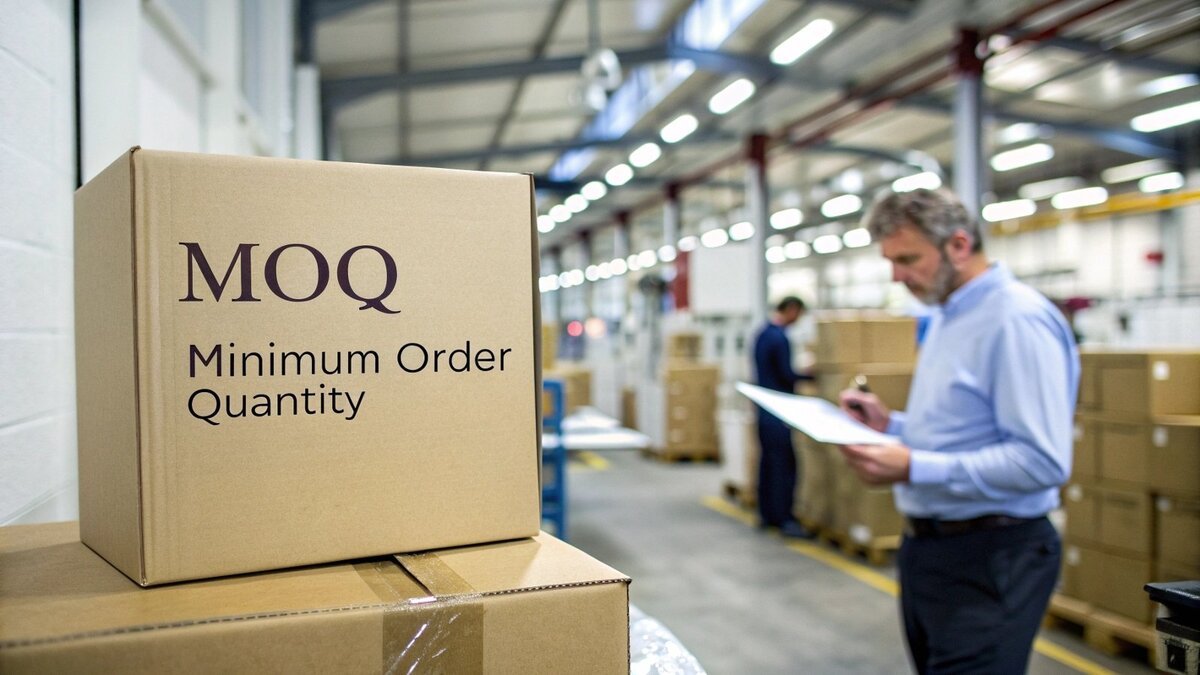
Understanding MOQ is more than just knowing a number. It’s about understanding the basic economics of manufacturing. When you know why a factory has a minimum, you gain the power to negotiate smarter, choose the right partners, and build a more flexible and profitable business. It’s the key to moving from a risky, all-in bet to a strategic, scalable launch. Let’s dive into what this term really means for your brand.
What Does MOQ Mean in Manufacturing?
Are you confused by all the factory jargon like MOQ? This confusion can lead to bad deals, lost time, and wasted money, but understanding this one term can change everything.
In manufacturing, MOQ stands for Minimum Order Quantity. It’s the smallest order a factory will accept because this volume is needed to cover basic costs like machine setup, raw materials, and labor, ensuring the production run is profitable for them.
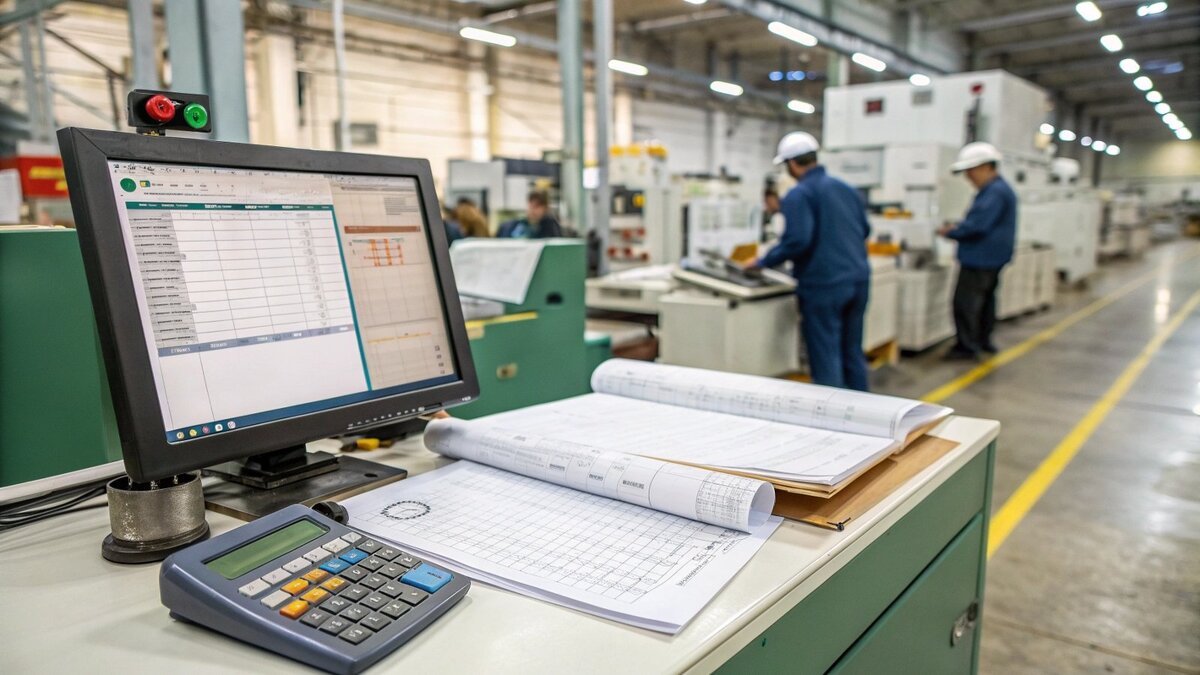
MOQ isn’t just one single number; it’s a bit more detailed than that. Think of it like ordering custom pizza. You can’t just order one slice; you have to order a whole pie. Manufacturing works the same way. The factory has to fire up large, expensive machines and buy materials in bulk. For us in the towel business, this often breaks down into a few specific types of MOQs. For example, I’ve seen many brands get confused when a factory gives them a different MOQ for each color. This is because dyeing requires a minimum amount of fabric to make the process efficient. It’s crucial to clarify which MOQ the supplier is referring to.
| Type of MOQ | What It Is | Why It Matters for Towels |
|---|---|---|
| MOQ per Order | The total number of towels in your entire purchase. | This is the headline number, like 1,000 total towels. |
| MOQ per SKU/Design | The minimum for one specific towel design. | If you have two towel designs, you might need to order 500 of each. |
| MOQ per Color | The minimum for a single color within a design. | This is driven by the minimum dye lot size. A factory can’t dye just 50 towels in a custom Pantone shade. |
Why Do Factories Have Minimum Order Quantities?
Have you ever asked a factory to make just 100 towels and been told no? It can feel rigid and unfair, especially when you’re a small brand just trying to get started.
Factories set MOQs to cover their high operational costs. The expense of setting up machinery, sourcing raw materials, and organizing labor for a small run is nearly the same as for a large one, making tiny orders unprofitable and inefficient.
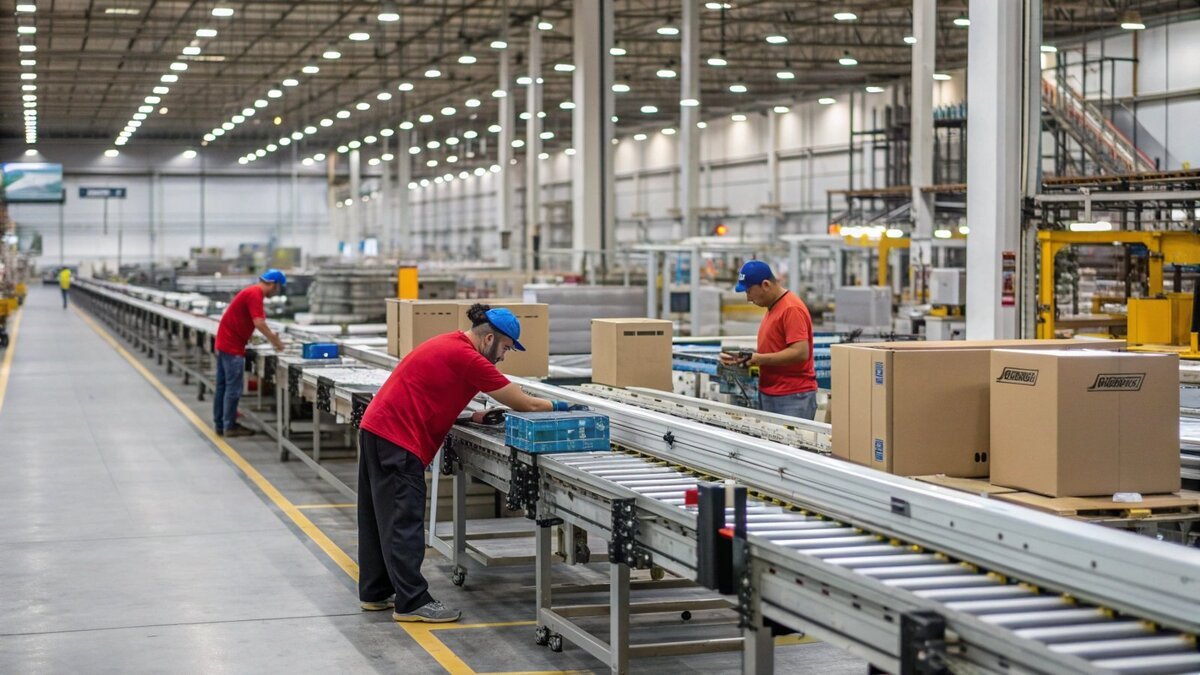
The reasons behind MOQs are all about economics and efficiency. From my years in the industry, I’ve seen firsthand that it’s not about turning away small businesses. It’s about the real-world costs of running a large-scale production facility. A factory is a system optimized for volume, and small orders disrupt that system in ways that cost time and money.
The Economics of Machine Setup
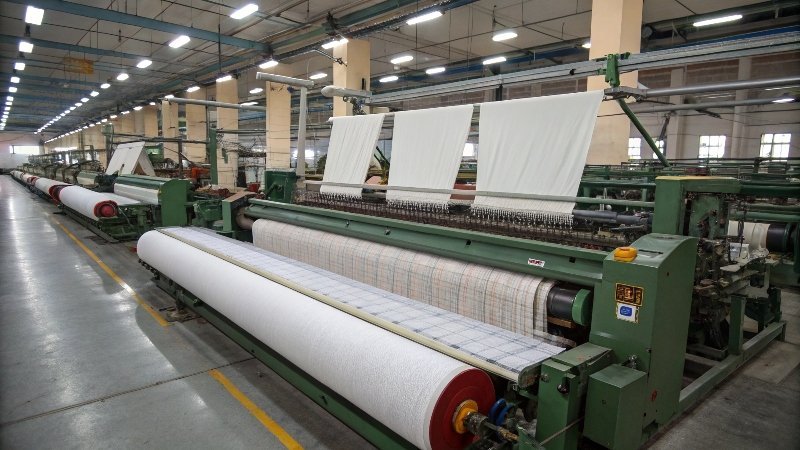
Every time a factory starts a new order, they have to prepare the machines. For towels, this means calibrating massive weaving looms for a specific pattern or preparing industrial dyeing vats for a precise color. This setup process takes time and skilled labor, whether you’re making 200 towels or 2,000. On a small run, that [setup cost](https://novalinkmx.com/2024/10/24/cost-efficiency-in-manufacturing/) gets spread across fewer units, making each towel incredibly expensive to produce.
Raw Material Sourcing
Factories don’t keep small amounts of every possible material on hand. They have to buy raw materials like cotton yarn and dyes from their own suppliers, who also have MOQs. I remember a client who wanted a very specific sage green for their towels. Our yarn supplier required a [minimum purchase of 300kg](https://news.ewmfg.com/blog/minimum-order-quantity-moq-a-necessary-evil) of that specific colored yarn. That’s enough material for thousands of towels. We couldn’t buy just enough for 100 towels, so the factory’s MOQ reflected their supplier’s minimum.
Operational Efficiency
A production line is like an assembly line. It runs most smoothly when it’s processing a large, continuous order. Small, stop-and-start orders create bottlenecks, require constant readjustment, and reduce the factory’s overall output. This makes the entire operation less efficient and profitable, which is why they build their pricing and order structure around larger volumes.
How Can You Negotiate a Lower MOQ with a Supplier?
Are you stuck with a supplier whose MOQ is just too high for your budget? It can feel like a major roadblock, potentially forcing you to give up on your product idea before you even start.
To negotiate a lower MOQ, offer a slightly higher price per towel to compensate the supplier for their lower efficiency. Also, ask about using their existing stock materials or colors, as this often carries a much lower minimum requirement.

Negotiation is a real possibility, but you have to approach it as a partner, not a customer demanding an exception. The key is to understand the factory’s problem—profitability on small runs—and help them solve it. I’ve guided many brands through this process. You’re trying to reduce the factory’s risk and make it worthwhile for them to work with you. A clear sign of a good long-term partner is their willingness to find a solution with you. At TowelTrend, for instance, we saw this problem so often that we built our business model to offer a standard 500-piece MOQ, removing this negotiation headache for our clients from day one.
Here are some practical strategies that work:
| Strategy | How It Works | Why It Works |
|---|---|---|
| Offer a Higher Unit Price | You volunteer to pay 5-10% more per towel in exchange for a smaller order. | It directly compensates the factory for the lower profit margin and inefficiency of a small run. |
| Use Stock Materials | Ask the supplier, "What colors do you have in stock that we could use?" | This completely bypasses the raw material MOQ issue, as the factory has already bought the yarn or fabric in bulk. |
| Show Long-Term Potential | Frame your small order as a test. "This is our trial run. Our forecast for a successful launch is 5,000 units in Q3." | This makes the factory see you as a future source of large orders, making them more willing to invest in the relationship with an initial small run. |
| Simplify the Product | Ask if removing a complex feature, like a custom dobby border, would lower the MOQ. | A simpler product may require less setup time or specialized materials, reducing the factory’s costs and allowing for a smaller minimum. |
What Are the Benefits of a Low MOQ for Your Brand?
Are you worried about tying up thousands of dollars in a mountain of towels you haven’t sold yet? A single large purchase can drain your cash flow and sink your business.
A low MOQ minimizes your financial risk by lowering the upfront investment. It gives you the agility to test new designs and colors, respond to market trends quickly, and avoid the cost of storing and managing excess inventory.

For a growing brand, especially one selling online, speed and flexibility are your biggest advantages. A low MOQ isn’t just a cost-saving measure; it’s a strategic tool that fuels growth. It allows you to operate like a lean, modern e-commerce brand instead of an old-school retailer weighed down by inventory. Over the years, I’ve seen this be the single biggest factor that separates the brands that take off from those that stall. The ability to test, learn, and adapt without betting the farm on every single purchase order is a game-changer.
Financial Flexibility
This is the most obvious benefit. When you order 500 towels instead of 5,000, you keep a huge amount of cash free. You can use that money for marketing campaigns, developing your next product, or improving your website. For our clients in North America and Europe, this financial freedom is critical. It allows them to compete without needing massive venture capital funding.
Market Testing and Agility
Want to launch a limited-edition seasonal color? With a low MOQ, you can. We had a client last year who wanted to test a bold, terracotta-colored towel for the autumn season. A 500-piece run was perfect. It let them test the market’s reaction without a huge commitment. The towels sold out in under a month, and they confidently placed a 5,000-piece reorder knowing they had a winner. This is impossible with a high MOQ.
Reduced Waste and Storage Costs
What happens to 3,000 towels that don’t sell? They sit in a warehouse, costing you storage fees every month. Eventually, you’ll have to sell them at a steep discount, hurting your brand’s value, or even worse, dispose of them. A low MOQ helps you order closer to your actual demand, reducing waste and eliminating the financial drain of unsold stock.
Conclusion
Understanding and finding a supplier with a flexible MOQ is not just about cost. It’s about giving your brand the agility and financial freedom to test, learn, and grow successfully.