Skip to content
Struggling to name that specific towel fabric? The wrong terminology can confuse suppliers and lead to costly sampling errors. Let’s get the names right from the start.
The primary material for towels is called terry cloth. It’s a woven fabric, usually cotton, with long loops that absorb large amounts of water. You might also hear it called "terry toweling." Other materials like bamboo, microfiber, and linen are also used for towels.
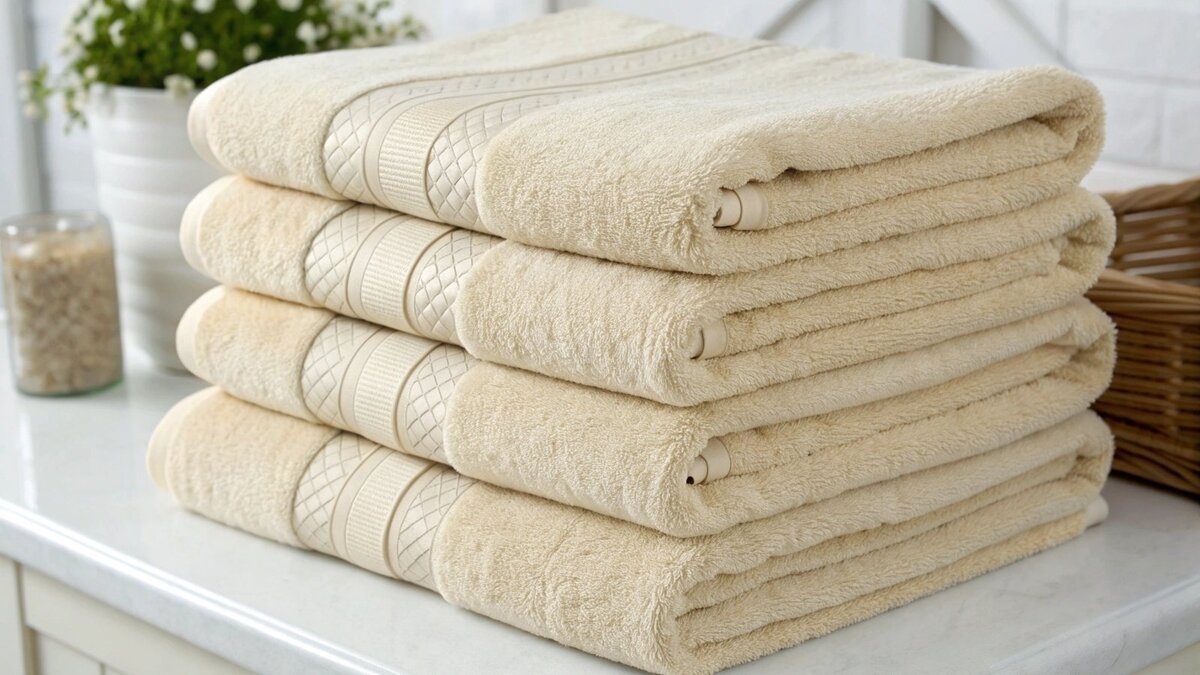
Now you know the general term is terry cloth. But this is just the beginning. The real value for your brand comes from understanding the specific fibers used to make that terry cloth. The right fiber determines softness, absorbency, and durability. Let’s dive deeper into the materials that will define your product’s quality and appeal, so you can make a choice that truly benefits your customers.
What is the material of a towel?
Feeling lost in a sea of fabric options? Choosing between cotton, bamboo, or microfiber can feel like a gamble for your brand’s reputation and budget.
The most common material for a towel is cotton, valued for its superior softness and absorbency. Other popular options include bamboo for its silky feel, and microfiber for its quick-drying properties. Each material serves a different purpose, from luxury bathing to high-performance sports.
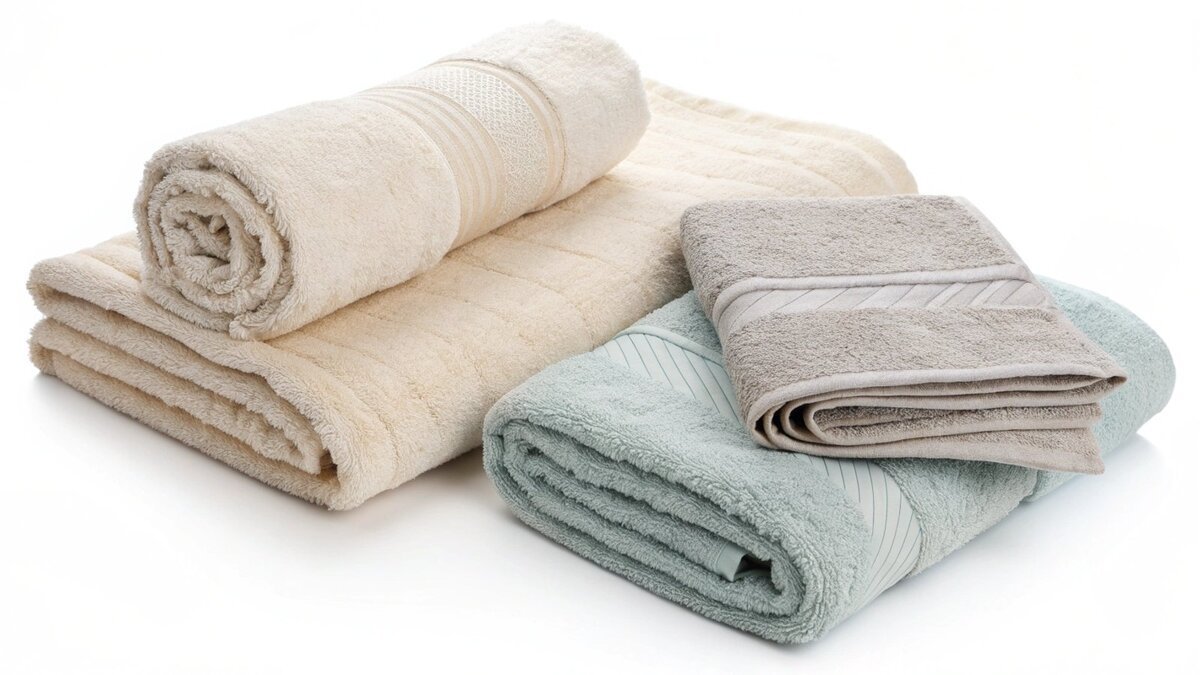
In my years at TowelTrend, I’ve guided countless brands through this exact decision. The material you choose is the foundation of your towel’s story. It’s not just about a single fiber; it’s about finding the right fit for your specific customer.
Breaking Down the Top Towel Materials
To make a confident choice, you need to know the pros and cons of each option. Most brands we work with start by considering cotton, bamboo, and microfiber. These three cover the majority of use cases in the market.
- Cotton: This is the industry standard for a reason. It’s naturally absorbent, breathable, and feels soft against the skin. The quality can range from standard Upland cotton to premium options like Turkish or Egyptian cotton, which have longer fibers for extra softness and durability.
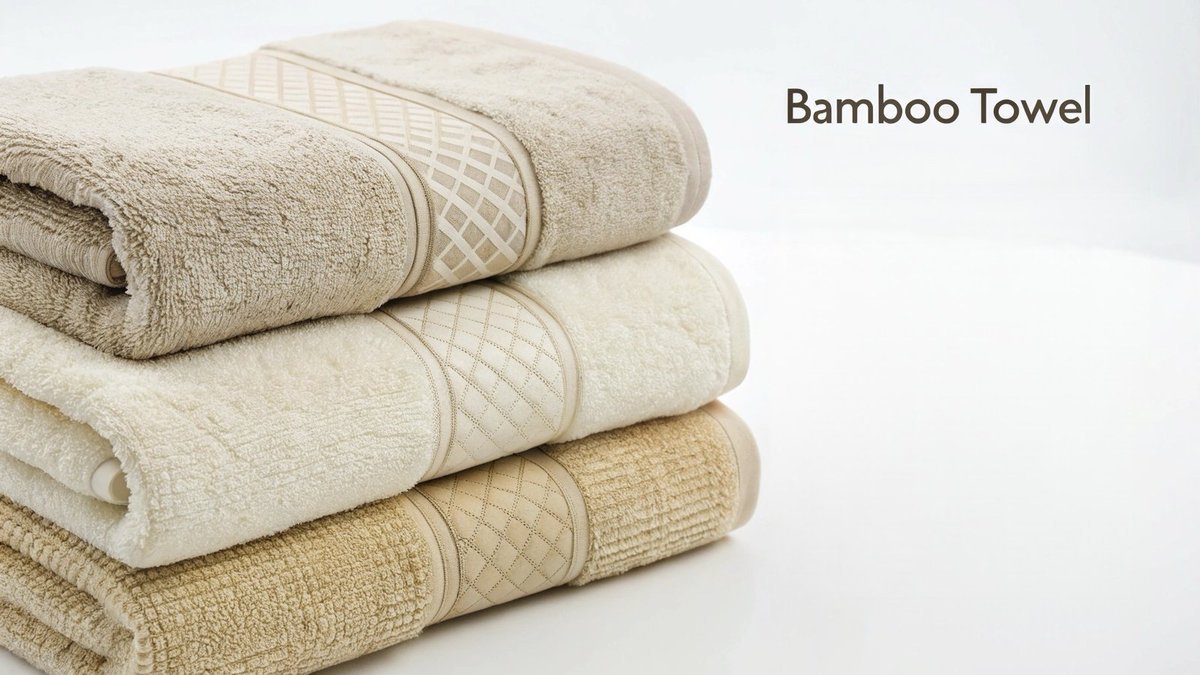
- Bamboo: Often blended with cotton, bamboo viscose creates a fabric that is incredibly soft, with a silky, luxurious drape. It’s also known for being more absorbent than cotton and has some natural antibacterial properties.
- Microfiber: This synthetic material, usually a blend of polyester and polyamide, is an performance champion. Its fibers are split into ultra-thin strands, making it fantastic at trapping dirt and absorbing water quickly. Its main advantage is its phenomenal drying speed.
Here is a simple breakdown:
| Material | Key Benefit | Best For | Feel |
|---|---|---|---|
| Cotton | Classic & Absorbent | Everyday Bath, Hotels, Premium Lines | Soft & Plush |
| Bamboo | Silky & Hygienic | Spas, Baby Products, Eco-Luxe Brands | Silky & Smooth |
| Microfiber | Quick-Drying | Gym, Travel, Sports, Cleaning | Synthetic & Grippy |
Understanding these basic differences is the first step to sourcing a towel that sells.
What kind of fabric do you use for towels?
Want to find the perfect fabric for your new towel line? Picking the wrong one can result in a product that just doesn’t perform, leading to poor reviews.
The fabric you should use depends entirely on the towel’s purpose. For luxury bath towels, use 100% long-staple cotton. For sport or travel towels, choose microfiber. For a wellness or spa line, a bamboo or linen blend works best.
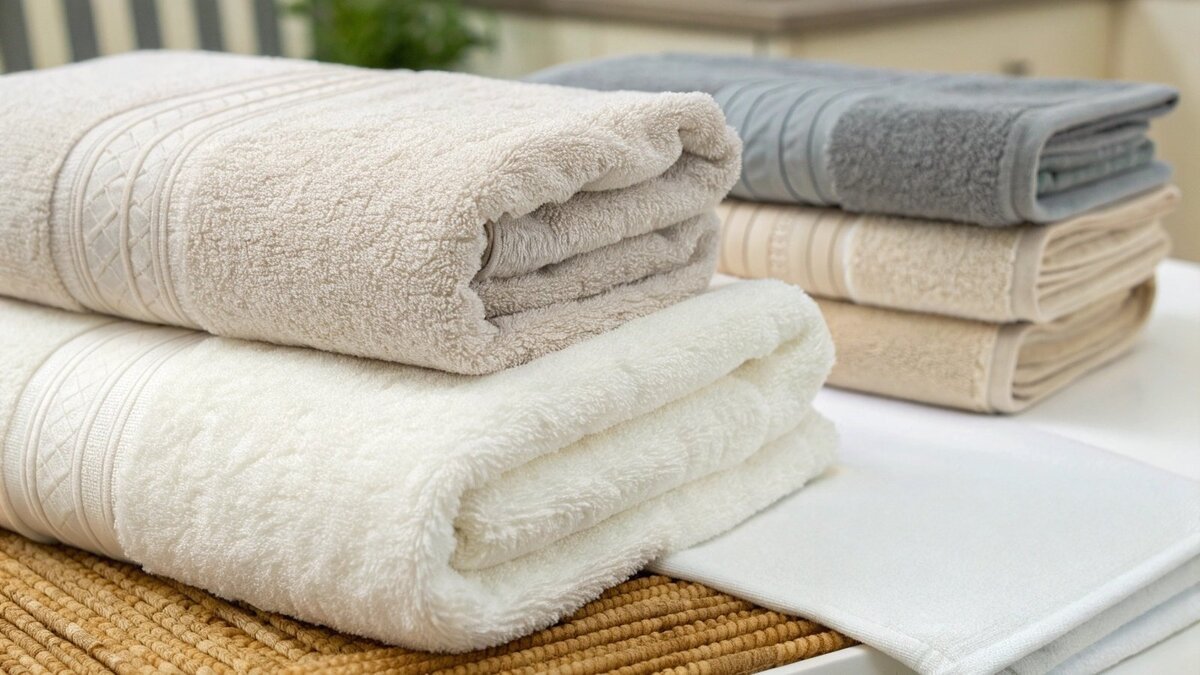
Matching the fabric to the function is a rule I constantly stress to my clients. A fabric that’s perfect for a bath towel will fail as a gym towel, and vice versa. Your customer’s experience depends on you getting this right. Let’s look at specific scenarios to make this crystal clear.
Matching Fabric to Towel Type
When a new partner comes to TowelTrend, we don’t just ask what fabric they want. We ask what the towel is for. This ensures the final product is a success.
For Premium Bath & Hotel Towels
Here, the goal is luxury and comfort. Absorbency and softness are everything. The undisputed king is 100% cotton terry cloth, specifically with a high GSM (Grams per Square Meter). A client of mine who runs a boutique hotel wanted the "plushest towel imaginable." We chose an 800 GSM Turkish cotton. The long fibers create a towel that is incredibly soft, absorbent, and durable enough to withstand commercial laundering.
For Gym, Beach, & Travel Towels
For these uses, performance beats plushness. Customers need a towel that is lightweight, compact, and dries fast. Microfiber is the clear winner. Its synthetic composition allows it to absorb several times its weight in water and then dry in a fraction of the time of cotton. This is why brands targeting athletes or travelers almost always choose microfiber.
For Kitchen & Spa Towels
Kitchen towels need to be durable, absorbent, and low-lint. A cotton waffle weave or a linen-cotton blend is ideal. For spas, the focus shifts to feel and hygiene. A bamboo-cotton blend offers a silky, luxurious hand-feel with natural antimicrobial properties, which is a great selling point for wellness-focused brands.
What fabric are most towels?
Wondering what the most common towel fabric is? Knowing the industry standard helps you decide whether to stick with a proven seller or innovate with something different.
The vast majority of towels sold globally are made from 100% cotton terry cloth. Cotton hits the perfect balance of absorbency, durability, softness, and production cost, making it the go-to choice for manufacturers and the top expectation for consumers.
Walk down any towel aisle, and you’ll be surrounded by cotton. At TowelTrend, I’d estimate that over 80% of our production runs are for cotton towels. There are very practical reasons why cotton has dominated the market for so long, and it’s not just about tradition.
Why Cotton is King
Cotton’s reign comes down to three core factors: performance, process, and price. No other fiber delivers so well on all fronts for the average towel.
-
Consumer Expectation: For generations, the feeling of a soft, plush towel has been synonymous with cotton. Customers are conditioned to look for it. When they buy a towel, they expect that familiar cotton comfort and absorbency. It’s a safe and reliable choice for any brand targeting the mass market.
-
Proven Performance: Cotton is a natural fiber that is inherently thirsty. The cellulose structure of the fiber absorbs water readily. It’s also strong, especially when wet, making it durable enough for daily use and repeated washing.
-
Manufacturing Efficiency: Factories like ours have perfected the art of weaving cotton terry cloth since we opened in 2004. The technology is optimized for cotton, from spinning the yarn to dyeing the finished fabric. This efficiency keeps production costs lower compared to more niche fibers like pure linen or bamboo, allowing brands to achieve a healthy profit margin.
While other materials are excellent for specific niches, cotton remains the undisputed champion for the mainstream towel market.
| Fabric Market Share (Estimate) | Key Reason for Dominance |
|---|---|
| Cotton (80-85%) | Best all-around balance of softness, absorbency, and cost. |
| Microfiber (10-15%) | Dominates the performance/sport category due to quick-dry properties. |
| Blends/Other (5%) | Niche markets (spa, eco-luxe) using bamboo, linen, etc. |
What is a linen towel?
Heard about linen towels but not sure what they are? They offer a unique experience but feel very different from typical towels, which can be a risk.
A linen towel is made from the fibers of the flax plant. It is known for being extremely durable, highly absorbent, and quick-drying. Unlike plush cotton, linen has a crisper, textured feel that softens with every wash, and it’s naturally hypoallergenic.
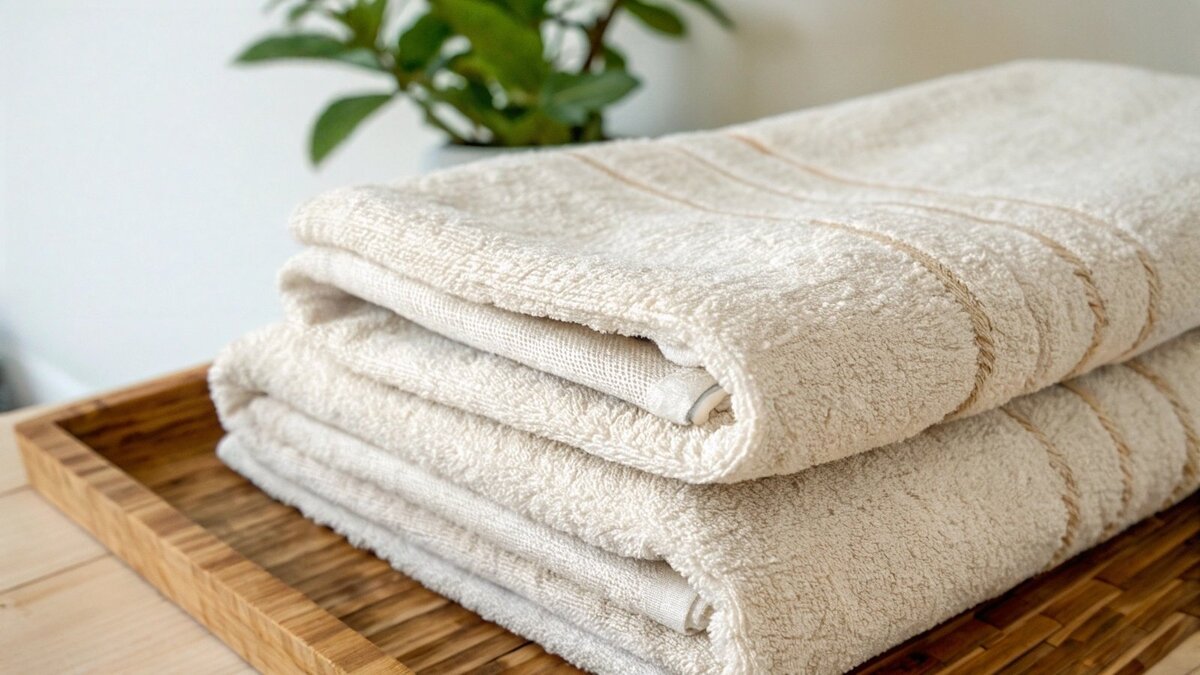
I often recommend linen towels to brands looking for something different. They appeal to a market that values sustainability, minimalism, and long-lasting quality over initial plushness. A client targeting the eco-conscious, European-style home goods market found huge success with a line of linen-cotton blend towels. They aren’t for everyone, but for the right customer, they are the perfect product.
Linen vs. Cotton: A Tale of Two Towels
Understanding the core differences between linen and the standard cotton towel is key to knowing if it’s right for your brand. They offer nearly opposite experiences in feel and function.
Linen comes from the stalk of the flax plant, which produces long, strong fibers. This gives linen its famous durability. However, it doesn’t have the looped pile of terry cloth. Instead, it’s typically a flat weave (like a tea towel) or a waffle weave. This structure is why it dries so incredibly fast. It’s also naturally antibacterial and gets softer and more absorbent after each trip through the laundry.
Here’s how it stacks up against terry cotton:
| Feature | Linen Towel | Cotton Terry Towel |
|---|---|---|
| Feel | Crisp, textured, becomes softer over time | Plush and soft from the start |
| Drying Time | Very Fast | Slow to moderate |
| Absorbency | High (but feels damp faster) | Very high (holds more water before feeling damp) |
| Durability | Extremely high; an investment piece | Good, but can wear out faster than linen |
| Lint | Very low | Moderate, especially when new |
| Best For | Eco-luxury, minimalist aesthetic, travel | General bath use, hotels, anyone wanting plushness |
Choosing linen is a strategic decision. You’re trading the instant "fluffy" appeal of cotton for superior drying speed, durability, and a unique, rustic aesthetic.
Conclusion
Choosing the right material, from classic cotton to quick-drying linen, is vital for your brand’s success. Understand the fabric, and you will create a product your customers truly love.