Skip to content
Struggling with beach towel sizes for your brand? A wrong choice disappoints customers and inflates shipping costs. I’ll guide you to the perfect dimensions for profit and satisfaction.
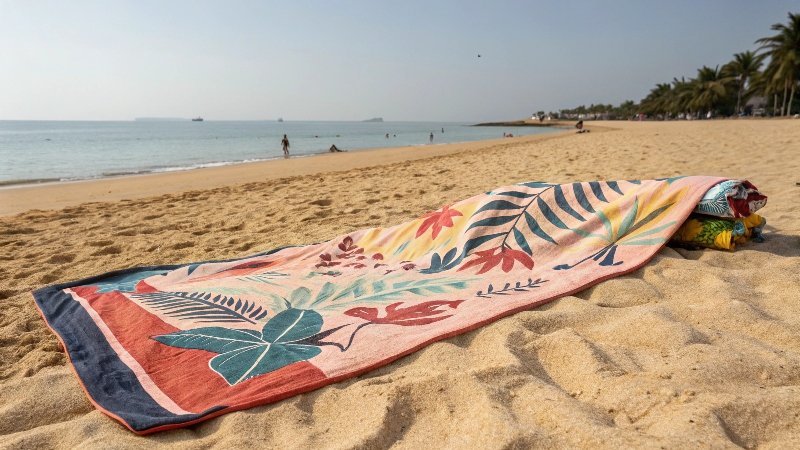
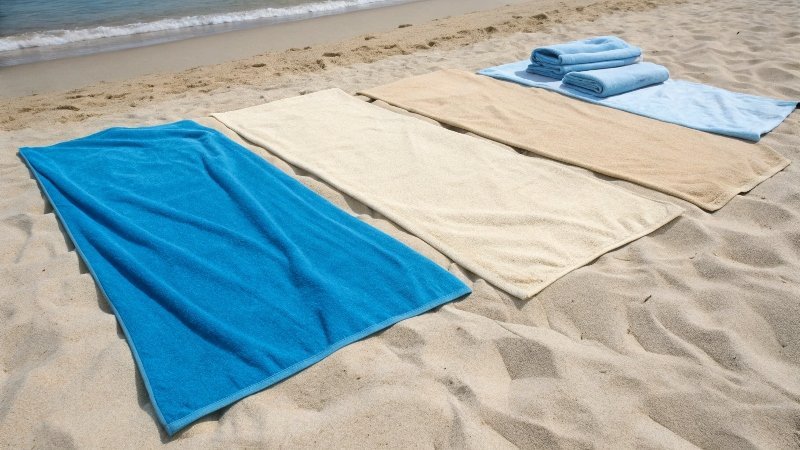
A standard beach towel is typically around 30 x 60 inches (76 x 152 cm). However, sizes vary greatly, from smaller kid’s towels to oversized options for extra comfort. The best size depends on your target customer and intended use.
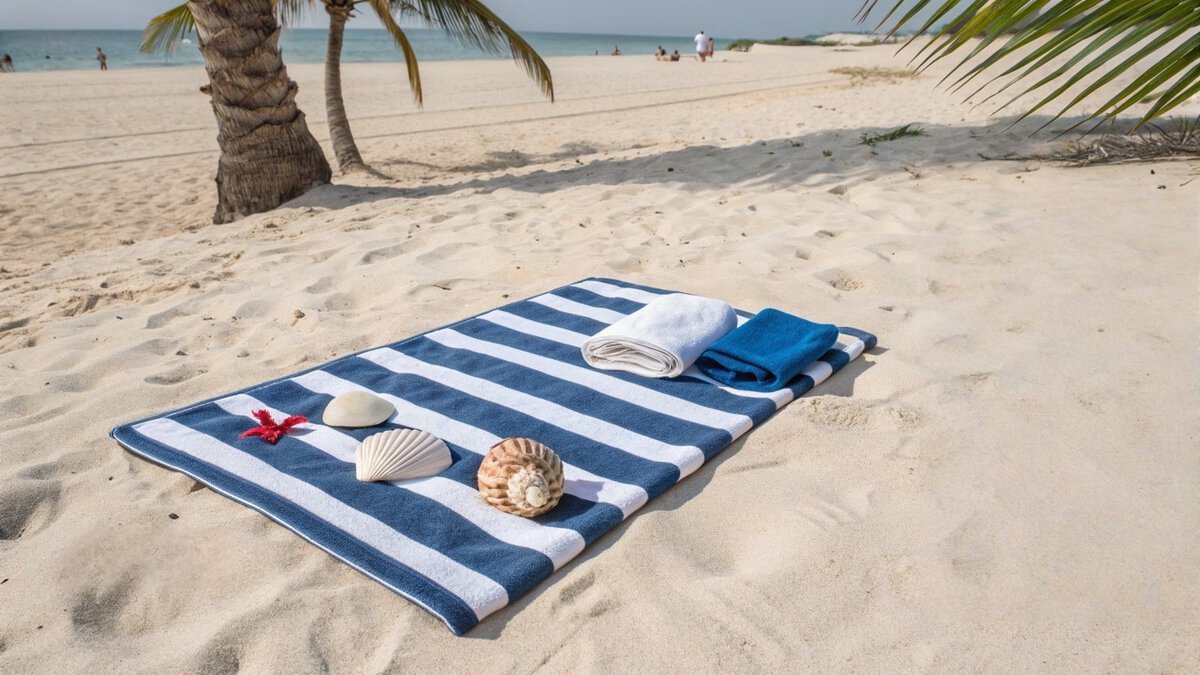
So, we know the "standard" size. But in my years at TowelTrend, I’ve learned that "standard" is just the starting point. Your brand needs to stand out. The real question is what size will best serve your customers and your bottom line. Let’s break down the different size categories to find your perfect fit.
What’s the Size of a Normal Beach Towel?
Need a safe, standard size for your main towel line? Guessing can lead to poor market fit. Here are the exact industry dimensions that sell best for most brands.
A normal, or standard, beach towel size is consistently around 30 inches by 60 inches (76 x 152 cm). This provides enough space for an adult to lie on without being overly bulky for transport. It’s the most common size we manufacture for new brands.
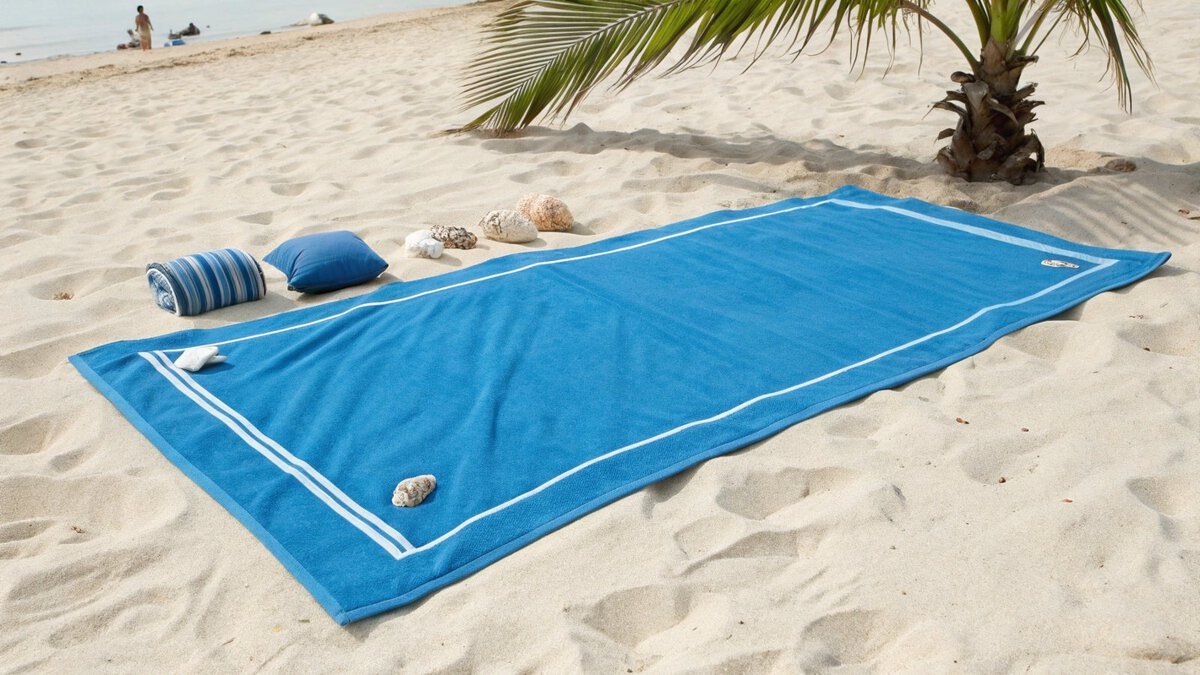
The 30" x 60" size is popular for a reason. It hits the perfect balance between function and cost. I see new brands gravitate toward this size because it minimizes risk. It’s a dimension consumers recognize and feel comfortable with, and it’s very efficient for us to produce and for you to ship. For many B2B clients starting their first line, I often recommend this size as a low-risk way to test the market.
The Appeal of the Oversized Towel
The main benefit is generous space. It’s perfect for couples who want to lounge together, families with small children, or anyone who simply wants to stretch out without touching hot sand. It projects a sense of indulgence. Brands that are selling a "resort lifestyle" or a premium experience do extremely well with these larger sizes. They allow you to position your product in a higher tier and justify a higher retail price.
Practical Considerations for Your Business
Going big has trade-offs. I always walk clients through these three key points before they commit to an oversized production run.
| Factor | Consideration | My Advice |
|---|---|---|
| Cost | Uses more raw material, so the unit price increases. | Price your product accordingly. Use "luxury" and "jumbo" in your marketing. |
| Weight & Ship | Heavier and bulkier, increasing shipping costs from our factory to your door. | We provide a factory-to-door DDP quote so you see the all-in cost upfront. No surprises. |
| Market | Appeals to a premium segment but may be too large for travelers or minimalists. | Offer it alongside a standard size, unless you’re a niche brand focused only on luxury. |
Should beach towels be thick or thin?
Customers complain if a towel is too thin and not absorbent. But they also complain if it’s too thick and takes forever to dry. This makes choosing the right thickness tricky.
It depends on your target market. Thicker towels (450-600 GSM) feel luxurious and absorb more water but are heavy. Thinner towels (300-400 GSM) are lightweight, dry fast, and are perfect for travel, but they feel less plush.
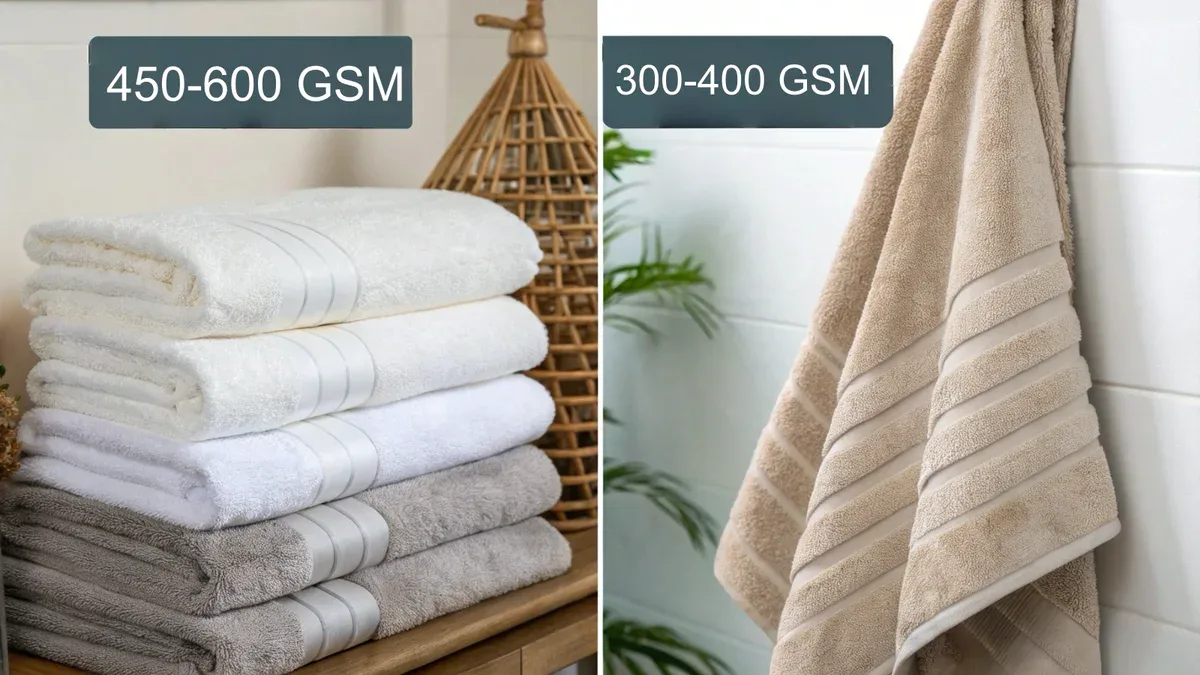
When we talk about thickness at the factory, we use the term GSM, which stands for Grams per Square Meter. It’s a direct measure of the fabric’s density and weight. A higher GSM means a heavier, plusher, and more absorbent towel. A lower GSM means a lighter, thinner towel. From a manufacturing perspective, GSM is a major cost driver. Higher GSM means more cotton yarn, which increases the price and the shipping weight. For many of our direct-to-consumer brand partners, the 450-500 GSM range is the ideal balance. It offers that premium, soft feel customers want without making the towel too bulky or slow to dry. It feels substantial and high-quality, which reinforces brand value, but doesn’t create logistical headaches with high shipping costs.
Understanding GSM: The Key to Towel Thickness
| GSM Range | Weight/Feel | Pros | Cons | Ideal Use Case |
|---|---|---|---|---|
| 300-400 GSM | Lightweight, Thin | Quick-drying, compact, lower cost | Less absorbent, feels less luxurious | Travel, sand-free, promotions |
| 400-600 GSM | Medium-weight, Plush | Good absorbency, soft, durable | Slower drying, moderate bulk | All-purpose retail, hotels |
| 600+ GSM | Heavyweight, Luxury | Extremely absorbent, very plush | Heavy, very slow to dry, high cost | Luxury resorts, premium gifts |
What are the Three Main Sizes of Towels?
Confused by terms like "bath sheet" and "bath towel"? This confusion can lead to ordering the wrong stock. Let’s compare the three most common towel types.
The three most common towel sizes you’ll encounter are the standard Bath Towel (around 27×52 inches), the larger Bath Sheet (around 35×65 inches), and the Beach Towel (around 30×60 inches). Each is designed for a different purpose.
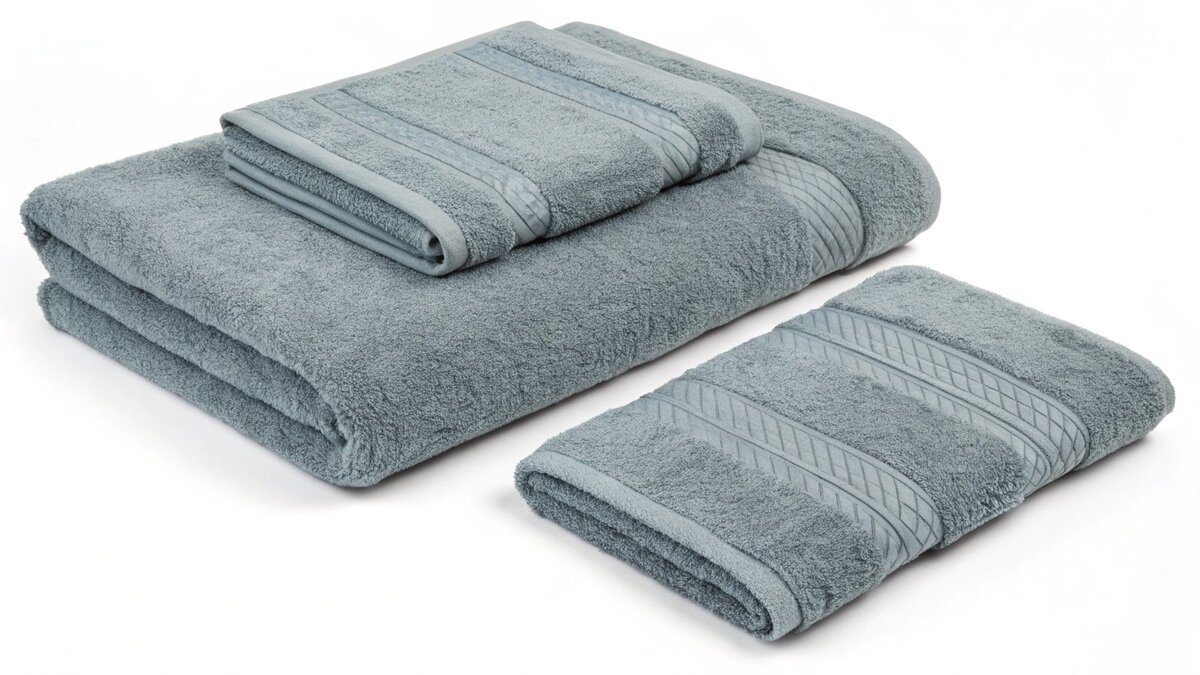
Many of our clients at TowelTrend manufacture towels for both bathroom and beach collections. It’s crucial to understand a key fact: size defines the product in the customer’s mind. A buyer expecting a sprawling beach towel will be disappointed with a standard bath towel, even if the cotton quality is exceptional. Marketing them correctly starts with ordering the correct dimensions.
Understanding the Function of Each Size
The size of a towel is directly linked to its job. A smaller bath towel is meant for the bathroom, where it’s used to dry off quickly and then needs to dry on a rack between uses. A longer beach towel is designed for lounging and outdoor use. A bath sheet is all about providing a spa-like, luxurious wrap-around experience at home. This simple distinction is something many new brands overlook, but getting it right is key to customer satisfaction.
Towel Size Comparison
Here’s a breakdown I often share with clients to help them plan their collections. Note the overlap between a Bath Sheet and a Beach Towel. The key difference is often the construction and the intended marketing.
| Towel Type | Typical Dimensions (inches) | Typical Dimensions (cm) | Primary Use |
|---|---|---|---|
| Bath Towel | 27" x 52" to 30" x 58" | 69 x 132 to 76 x 147 cm | Everyday drying after a shower, wraps body. |
| Beach Towel | 30" x 60" to 35" x 70" | 76 x 152 to 89 x 178 cm | Lying on sand or by the pool, drying outdoors. |
| Bath Sheet | 35" x 60" to 40" x 70" | 89 x 152 to 102 x 178 cm | A luxury, oversized towel for a full-body wrap. |
Can I Use Any Towel as a Beach Towel?
Thinking of using a bath towel at the beach? It seems practical, but they often fail in the sun and sand. I’ll explain the key differences that matter for performance.
While you can use a bath towel at the beach, it’s not ideal. Beach towels are typically longer for lounging, often thinner for quicker drying in the sun, and feature different constructions—like a sheared velour side for comfort and a terry loop side for absorbency.
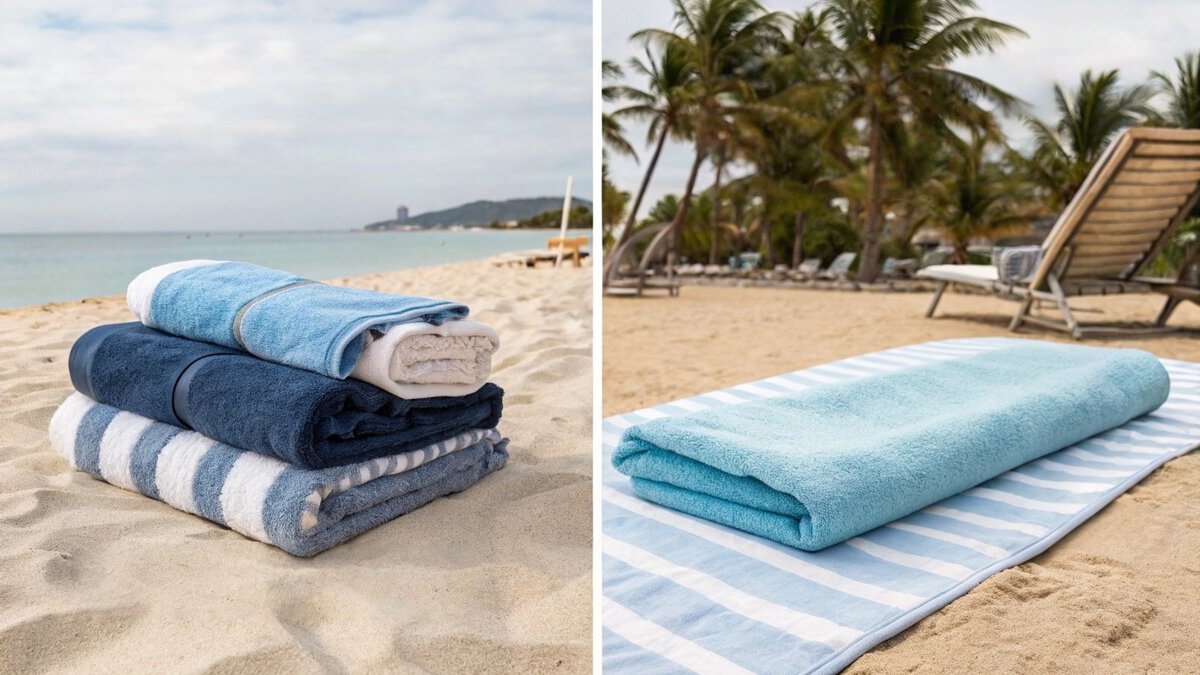
I once had a client who tried to save money by marketing the same towel stock for both bath and beach. After one season, they came back to us. The customer feedback was clear: the towels were too heavy, took forever to dry, and held onto sand. We helped them develop a dedicated beach towel, and their problems disappeared. The differences are not just for marketing; they are functional.
Construction: Sheared Velour vs. Terry Loops
This is one of the biggest structural differences. A standard bath towel has absorbent terry loops on both sides. In contrast, many of our quality beach towels feature terry loops on one side (for drying) and a soft, sheared velour finish on the other. This smooth velour side is much less likely to trap sand and provides a more comfortable surface for lying on.
Design and Durability
Beach towels are made to withstand sun, sand, and chlorine. To achieve this, we often use fiber-reactive dyes. This process locks color deep into the cotton fibers, making the vibrant designs highly resistant to fading. Bath towels, meant for indoor use, don’t require this level of UV and chemical resistance.
| Feature | Standard Bath Towel | Purpose-Built Beach Towel | Why it Matters for Your Brand |
|---|---|---|---|
| Size | Smaller, designed for wrapping the body. | Longer, designed for lying down. | Meets a primary customer need for beach lounging. |
| Construction | Terry loops on both sides for absorbency. | Terry loops on one side, often velour on the other. | Velour side feels soft and repels sand effectively. |
| Thickness | Often thicker and plusher (higher GSM). | Often thinner (lower GSM) for quick drying. | Faster drying is a key performance feature outdoors. |
| Design | Typically solid colors or simple patterns. | Bright, vibrant, fade-resistant prints. | Aligns with beach culture and lasts longer in the sun. |
Conclusion
Choosing the right beach towel size comes down to understanding your customer and brand. From standard to oversized, each dimension serves a purpose and impacts your bottom line.