Skip to content
You spent good money on high-quality microfiber towels. But using the wrong wash settings can destroy their cleaning power, leaving you with cloths that just push dirt around.
The best temperature for washing microfiber towels is cold or warm water, never hot. Use cold water for general cleaning and warm water (up to 104°F or 40°C) for heavily soiled towels with grease or oil. Hot water can permanently damage the fibers.
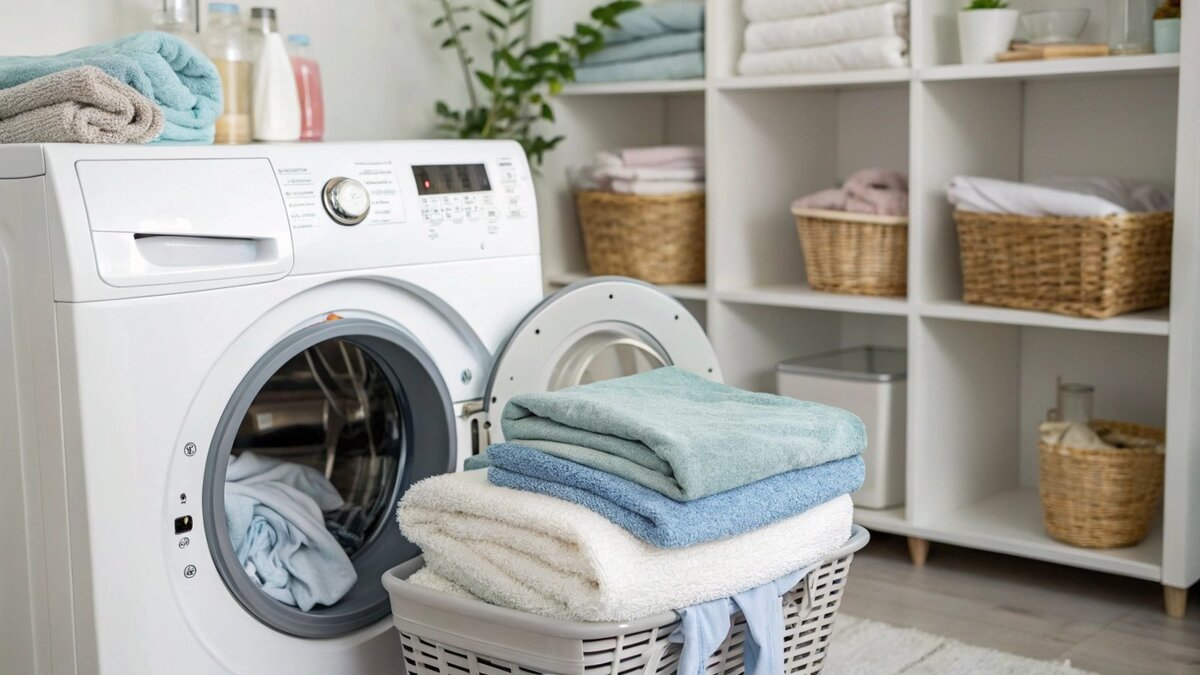
Getting the temperature right is the most important step in protecting your investment. But the wash cycle and drying method are just as crucial for keeping these amazing cleaning tools in top condition. Let’s break down the exact settings you need to use, because proper care ensures your towels perform effectively for years. Understanding these details will help you get the most out of every towel, every time.
Do you wash microfiber towels in warm or cold water?
You’re at the washing machine, towel in hand, but you’re not sure which button to press. Warm? Cold? It feels like a simple choice, but the wrong one can clog the fibers or fail to release stubborn dirt.
Cold water is the safest and most common choice for washing microfiber. Warm water (not hot) is better for cutting through heavy grease and grime. Both are great options, but when in doubt, choose cold to protect the fibers and save energy.
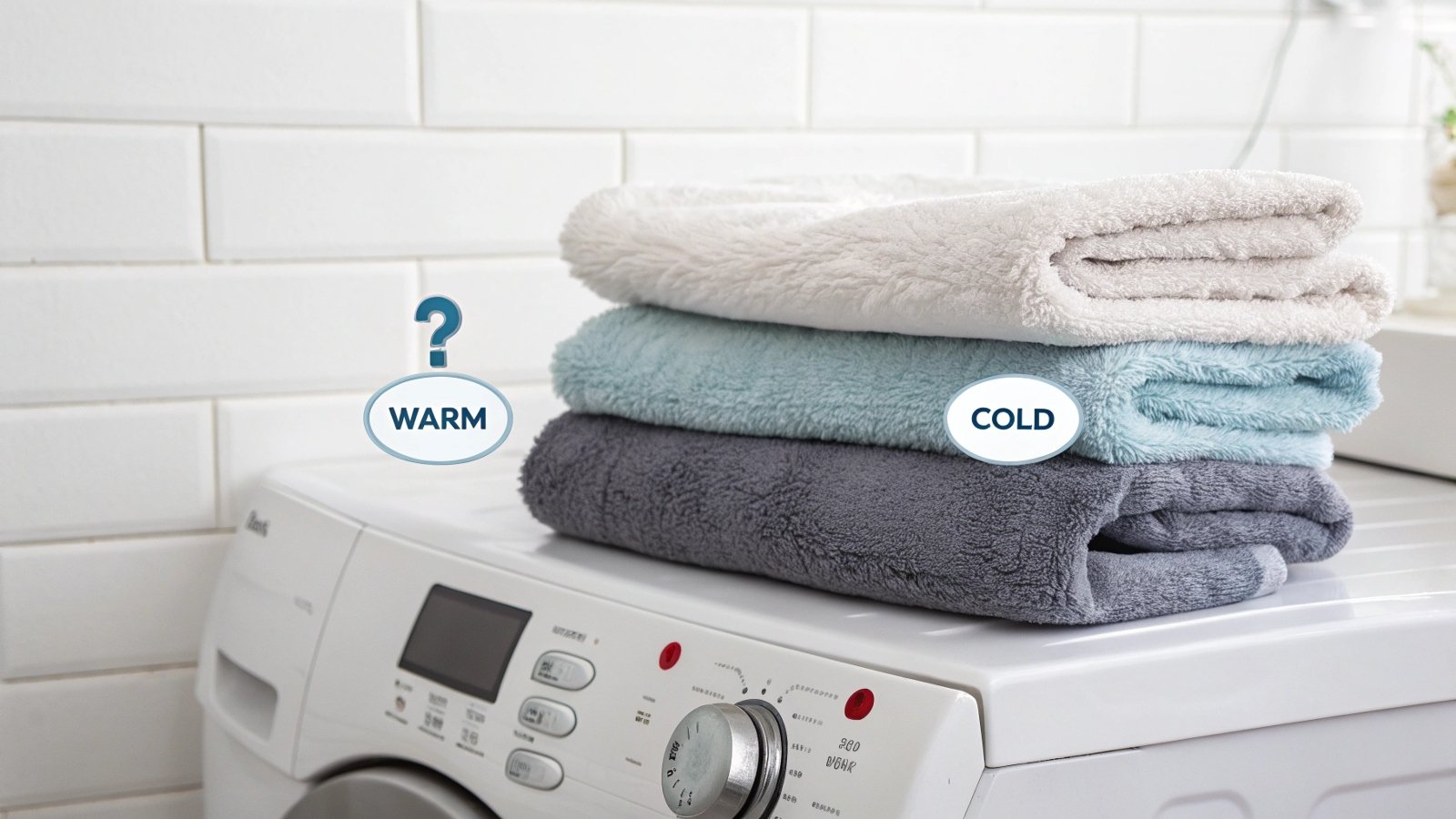
Choosing between cold and warm water really depends on how dirty your towels are. For a brand like yours that values product longevity, teaching your customers this simple distinction is key. I’ve seen clients make costly mistakes, so I always guide them through this choice. Cold water is your everyday workhorse. It’s gentle on the delicate polyester and polyamide fibers, preventing any risk of heat damage. It also uses less energy, which is a nice bonus. For towels used for light dusting or cleaning glass, a cold wash is perfect.
Warm water, on the other hand, has more cleaning power. Think of it like washing greasy dishes; warm water helps dissolve oils and waxes much more effectively. If you’re dealing with towels from an auto detailer or a busy kitchen, a warm wash (again, never exceeding 104°F/40°C) will open up the fibers and release that trapped grime.
Here is a simple breakdown:
| Water Temperature | Best For | Pros | Cons |
|---|---|---|---|
| Cold | Lightly soiled towels, general dusting | Safest for fibers, energy-efficient, prevents bleed | Less effective on heavy oils and grease |
| Warm (Not Hot) | Heavily soiled towels, grease, wax, oils | More effective at dissolving stubborn grime | Uses more energy, must ensure it’s not too hot |
What setting do I wash microfiber towels on?
You have the temperature figured out, but now the machine dial presents another challenge. Normal? Heavy Duty? Delicates? Choosing the wrong cycle can be just as bad as using the wrong temperature.
Use the "Normal" or "Permanent Press" cycle to wash microfiber towels. This provides enough agitation to clean deep within the fibers without the harshness of a "Heavy Duty" cycle, which can cause premature wear and damage.
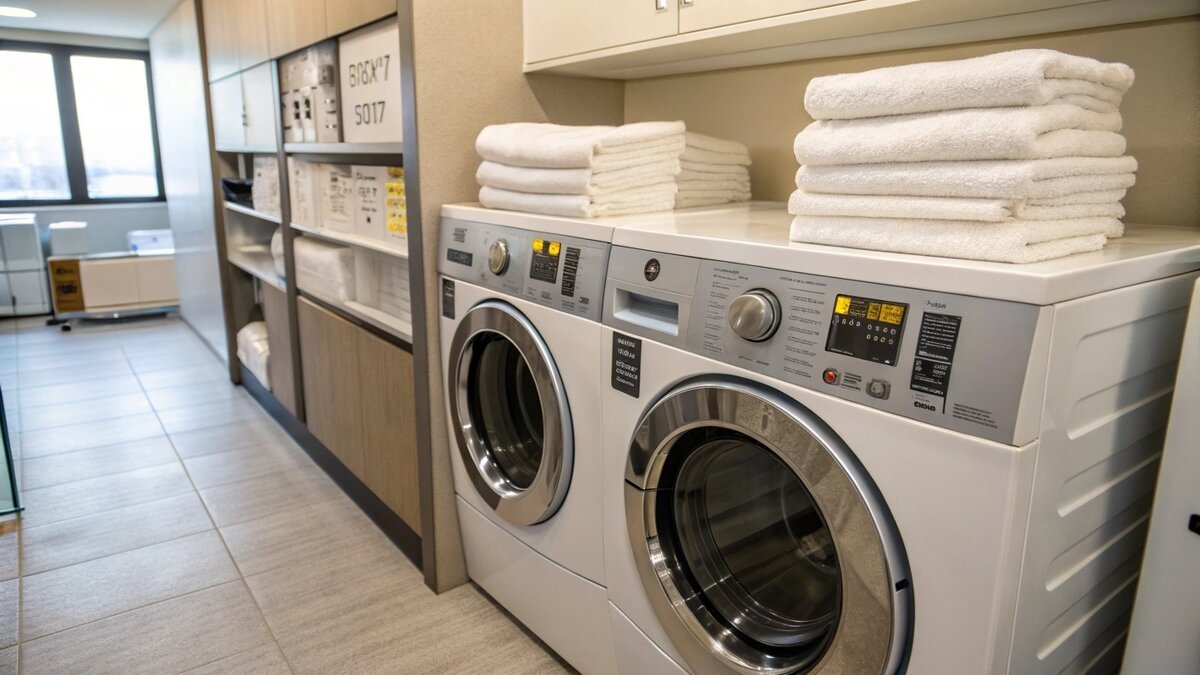
Temperature gets all the attention, but the physical action of the wash cycle is just as important. Think of the microfiber strands as millions of tiny hooks. You need enough motion to shake the dirt loose, but not so much that you damage the hooks. This is why the cycle setting is so critical. A "Heavy Duty" cycle is too aggressive. The intense agitation and high-speed spin can stretch and tear the delicate fibers, reducing the towel’s effectiveness over time.
On the other end, a "Delicates" cycle is too gentle. It’s designed for fabrics that can’t handle much movement, but it won’t create enough friction to force the dirt and contaminants out of the microfiber’s deep channels. You’ll end up with towels that look clean but are still holding onto grime. The "Normal" or "Permanent Press" setting is the perfect middle ground. It provides a solid cleaning action and a standard spin speed that work together to release dirt effectively without causing damage. When we perform wash tests for our clients at TowelTrend, this is the setting we use to simulate real-world conditions reliably.
A Guide to Washing Machine Cycles
| Cycle | Agitation Level | Is it good for Microfiber? | Why? |
|---|---|---|---|
| Normal / Perm. Press | Medium | Yes, The Best Choice | Balances cleaning power with gentleness, effectively removing dirt. |
| Heavy Duty | High | No | Too aggressive. Can damage and stretch the fine fibers. |
| Delicates | Low | No | Not enough agitation to force embedded dirt out of the towel. |
| Sanitize | Varies | Absolutely Not | Uses extremely high heat, which will melt and destroy the microfiber fibers. |
How does dirt level affect the wash temperature for microfiber?
Not all dirty towels are created equal. A towel used for a quick dusting is very different from one that just wiped up kitchen grease. Using a single wash method for all of them isn’t efficient.
Match the water temperature to the soil level. Use cold water for light dust and general dirt. Switch to warm water (up to 104°F/40°C) for towels with heavy grease, oils, or stubborn grime to dissolve them effectively.
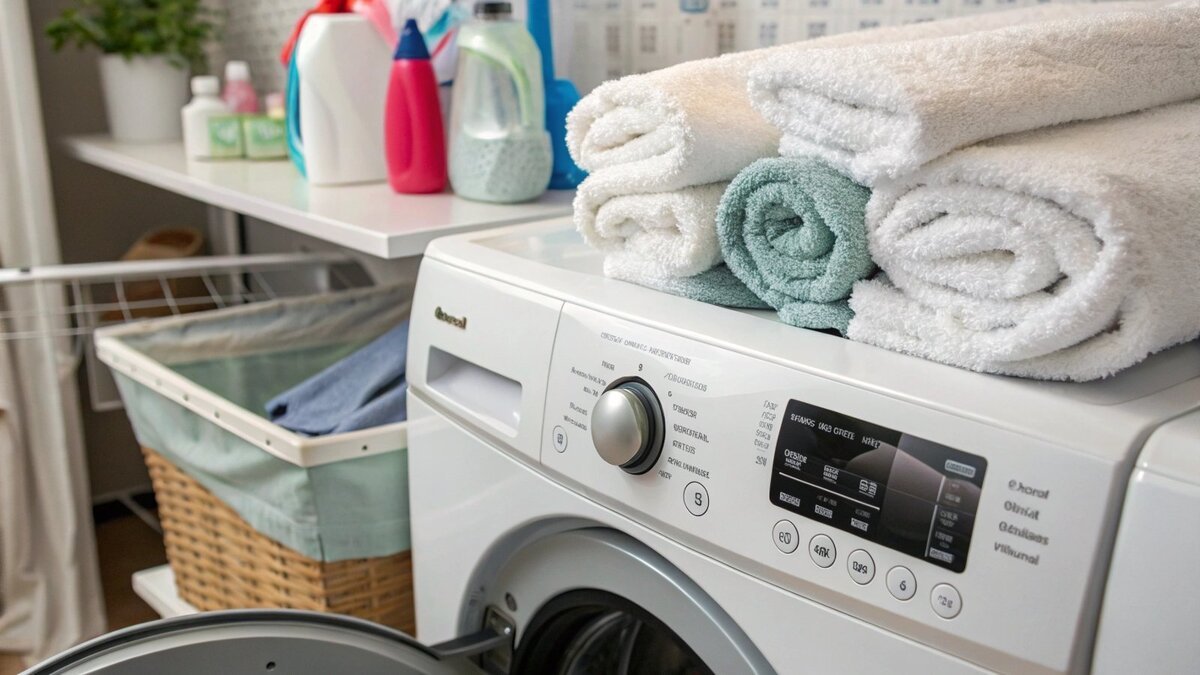
Thinking about dirt level helps you optimize your wash process. It saves energy and, more importantly, extends the life of your towels. I often advise my clients, especially those in service industries like auto detailing or hospitality, to sort their towels by soil level before washing. A lightly soiled towel from dusting a shelf doesn’t need the same intense cleaning as a towel used to apply car wax. For those lightly used towels, a cold wash cycle is more than enough to release the loose particles held by the fiber’s static charge.
When you get to moderately or heavily soiled towels, that’s when warm water becomes your best tool. Think of towels used for cleaning up spills, wiping down kitchen counters, or detailing a car. These towels have absorbed oils, grease, and sticky residues that cold water struggles to break down. Warm water helps to loosen the molecular bonds of these substances, allowing the detergent and the wash agitation to flush them out of the fibers completely. For the toughest jobs, I even recommend a pre-soak in warm water with a specialized microfiber detergent before the main wash.
Washing Temperature Based on Soil Level
| Soil Level | Example Uses | Recommended Temperature | Reason |
|---|---|---|---|
| Light | Dusting, cleaning windows, polishing electronics | Cold Water | Sufficient to release light dust and particles held by static electricity. |
| Moderate | Wiping spills, general bathroom/kitchen cleaning | Cold or Warm Water | Cold is usually fine, but warm gives an extra boost for stuck-on messes. |
| Heavy | Cleaning grease, car wax/polish, heavy grime | Warm Water | Necessary to break down and dissolve oils, waxes, and stubborn residues. |
Does microfiber fabric shrink?
You pull your towels from the laundry, and they seem smaller. It’s a frustrating moment, especially when you need them for a specific task. Did they shrink? It’s a common question I get from new buyers.
No, high-quality microfiber fabric does not shrink in water like cotton does. However, high heat from hot water or a hot dryer will melt the plastic fibers, causing them to contract, harden, and deform. This irreversible damage is often mistaken for shrinking.
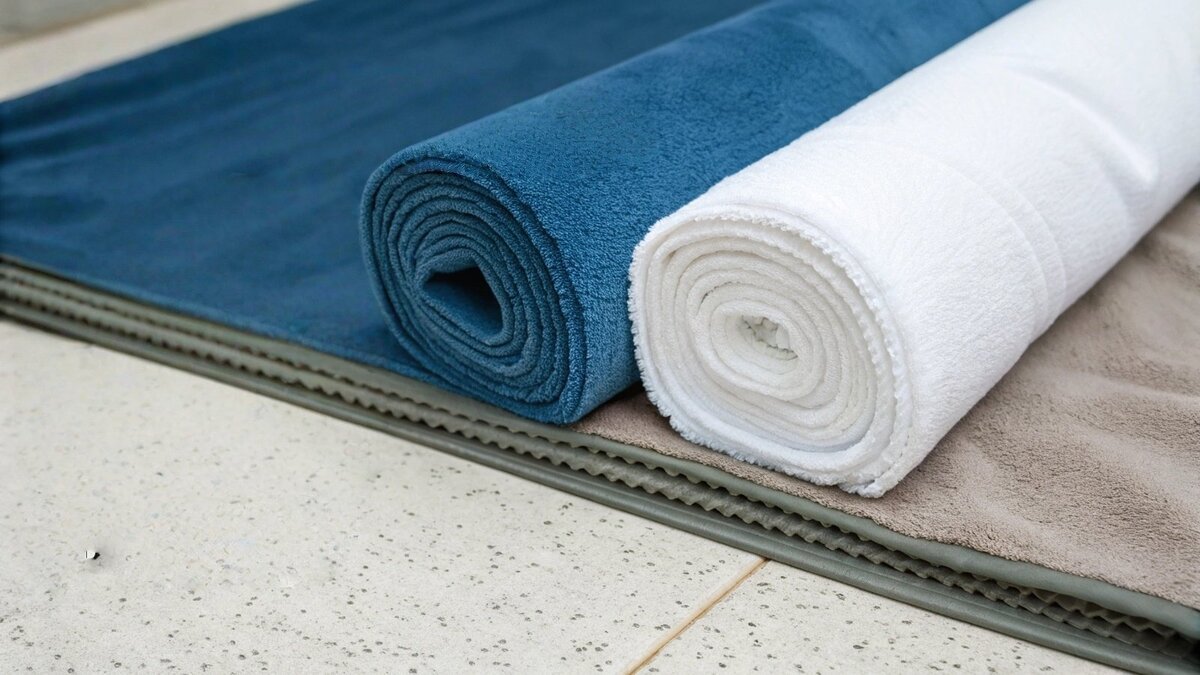
This is one of the biggest points of confusion, so it’s important to be clear. Microfiber is made of synthetic plastics—polyester and polyamide. These materials are dimensionally stable in water, meaning they don’t absorb it and swell up the way natural fibers like cotton do. So, a water wash itself, at any temperature, won’t cause them to shrink. The real danger is heat. I once had a client contact me, certain that his new towels had shrunk. After a brief conversation, I learned he was using his dryer’s "Sanitize" setting, which uses extreme heat.
The towels weren’t shrunken; they were melted. High heat, whether from a hot water wash (above 140°F/60°C) or a hot dryer cycle, literally damages the fine fibers. They curl, fuse together, and become stiff. This process makes the towel feel smaller and harder, but more importantly, it ruins its functionality. The fused fibers can no longer grab dirt or absorb liquid. To prevent this, the rule is simple: no high heat, ever. Wash in cold or warm, and always dry on a low or no-heat setting. Air drying is even better if you have the space.
Conclusion
Properly washing your microfiber towels is simple. Use cold or warm water with a normal cycle, avoid high heat in both the washer and dryer, and your towels will stay effective.