Skip to content
Tired of frizzy, undefined curls? Your regular bath towel might be the problem. A specialized towel protects hair, reduces frizz, and helps your curls look their best.
The best towel for curly hair is a high-quality microfiber towel. Its fine, smooth fibers absorb excess water without roughing up the hair cuticle. This simple switch dramatically reduces frizz, prevents breakage, and helps define your natural curl pattern for a smooth, healthy finish.
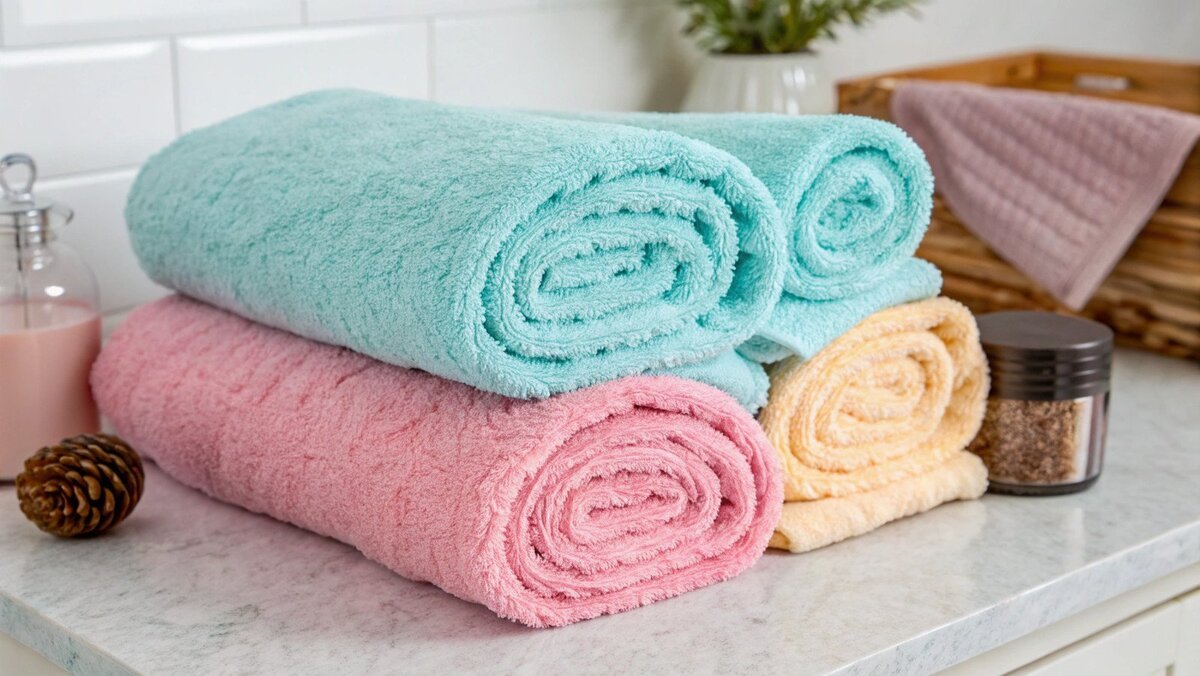
Choosing the right towel is one of the most important steps in a curly hair routine. It can make the difference between a head full of frizz and beautifully defined curls. For years, I’ve worked with hair care brands and high-end salons to develop towels specifically for this purpose. They understand that a standard terrycloth towel can undo all the hard work of cleansing and conditioning. In the following sections, I’ll break down exactly why certain fabrics work better than others and what you should look for when sourcing towels for a curly-haired clientele. Let’s get into the details.
Is cotton or microfiber better for curly hair?
Stuck between cotton and microfiber? It’s a common dilemma. You want a towel that works, but the wrong choice can ruin perfect curls and lead to a halo of frizz.
Microfiber is much better for curly hair than traditional terry cotton. Standard cotton towels have large, rough loops that snag on delicate curls, causing friction and frizz. Microfiber’s ultra-smooth surface allows it to glide over the hair, absorbing water gently without disrupting the curl pattern.

As a manufacturer, we see the difference at the structural level. The way a towel is woven determines how it interacts with hair. A traditional cotton bath towel is usually a terrycloth weave. This weave creates thousands of tiny loops that are great for scrubbing skin but terrible for delicate hair strands. For curly hair, those loops act like hooks, grabbing and pulling at the hair cuticle, which is the outer protective layer of the hair shaft. When the cuticle is raised, you get frizz and potential breakage.
Microfiber, on the other hand, is made from synthetic fibers that are incredibly fine—often less than one denier, which is finer than a strand of silk. We weave these fibers into a smooth, flat surface. This material is super absorbent, but it soaks up water without needing that rough, looped texture. It means you can gently squeeze or "plop" your hair to dry it, keeping the cuticles smooth and the curl clumps intact.
Cotton vs. Microfiber: A Quick Comparison
| Feature | Terry Cotton Towel | Microfiber Towel |
|---|---|---|
| Fiber Texture | Large, rough loops | Ultra-fine, smooth fibers |
| Effect on Hair | Snags and raises cuticles, causing frizz | Glides over hair, keeping cuticles flat |
| Drying Method | Rubbing, which causes friction | Gentle squeezing or plopping |
| Best For | General body drying | Protecting delicate curly hair |
A few years ago, a client developing a new hair care line came to us with this exact problem. Their test group loved the shampoo and conditioner, but complained about frizz. After a short conversation, I realized they were sending testers home with standard branded cotton towels. We quickly produced a small batch of 500 microfiber hair turbans for them. The feedback changed overnight. It’s a perfect example of how the right fabric is not just an accessory—it’s a critical part of the system.
Why use a microfiber towel for curly hair?
You constantly hear that microfiber is the best choice for curls, but why exactly? It might just look like a thin cloth. Understanding the science behind it shows its true value.
You should use a microfiber towel to significantly reduce frizz, prevent breakage, and shorten your drying time. Its unique, super-fine fibers absorb excess water rapidly without the damaging friction of a regular towel. This preserves your natural curl pattern, enhances definition, and keeps hair healthy.

The benefits of microfiber go beyond just being "gentle." The advantages are rooted in the physical properties of the material, which we work with every day in our factory. When brands ask us for a "hair towel," we immediately think about these key performance indicators, because they are what the end-user will notice.
Unpacking the Benefits of Microfiber
First, let’s talk about frizz reduction. Frizz is mainly caused by a raised hair cuticle. The rough loops of a terry towel lift these cuticles. Microfiber’s smooth texture does the opposite—it helps keep the cuticles lying flat. By gently squeezing the hair instead of rubbing it, you remove water while polishing the hair shaft. This single change can have the biggest impact on achieving a smooth, defined look.
Next is the drying speed. Microfiber is engineered to be extremely absorbent; it can hold up to seven times its weight in water. This efficiency means it draws water out of your hair much faster than cotton. Less time spent with wet hair means less time for the hair to swell and lose its shape. It also means you rely less on heat styling, which prevents further damage. For brands creating salon-quality products, highlighting a faster, healthier drying process is a huge marketing win.
Finally, the material is lightweight. A large, wet cotton towel is heavy and can strain your neck. A microfiber hair turban is light and comfortable, making it easy to wear while you get ready. This is why turbans and wraps are so popular. At TowelTrend, we can produce these in custom shapes and sizes with low MOQs, making it easy for brands to add a high-value item to their product line.
What fabric is best for curly hair?
Microfiber is a fantastic choice, but is it the only one? If you’re building a product line, you need to know all the options to make the best decision for your brand.
While microfiber is a top performer, other smooth, highly absorbent fabrics are also excellent for curly hair. Bamboo viscose and cotton jersey (the material used for T-shirts) are great alternatives. The most important factor is a flat, non-abrasive surface that absorbs water without causing frizz.

As a textile expert, I love exploring different materials with our clients. While microfiber is our most requested fabric for hair towels, we’ve seen growing interest in natural-fiber alternatives that still deliver great results. The core principle remains the same: avoid rough, looped textures. Here are a few top contenders we frequently work with.
Exploring Top Fabric Choices
-
Microfiber: As we’ve discussed, this is the industry standard for a reason. It’s a synthetic blend, usually polyester and polyamide, engineered for maximum smoothness and absorbency. It’s durable, lightweight, and incredibly effective at preventing frizz. It’s the go-to for performance.
-
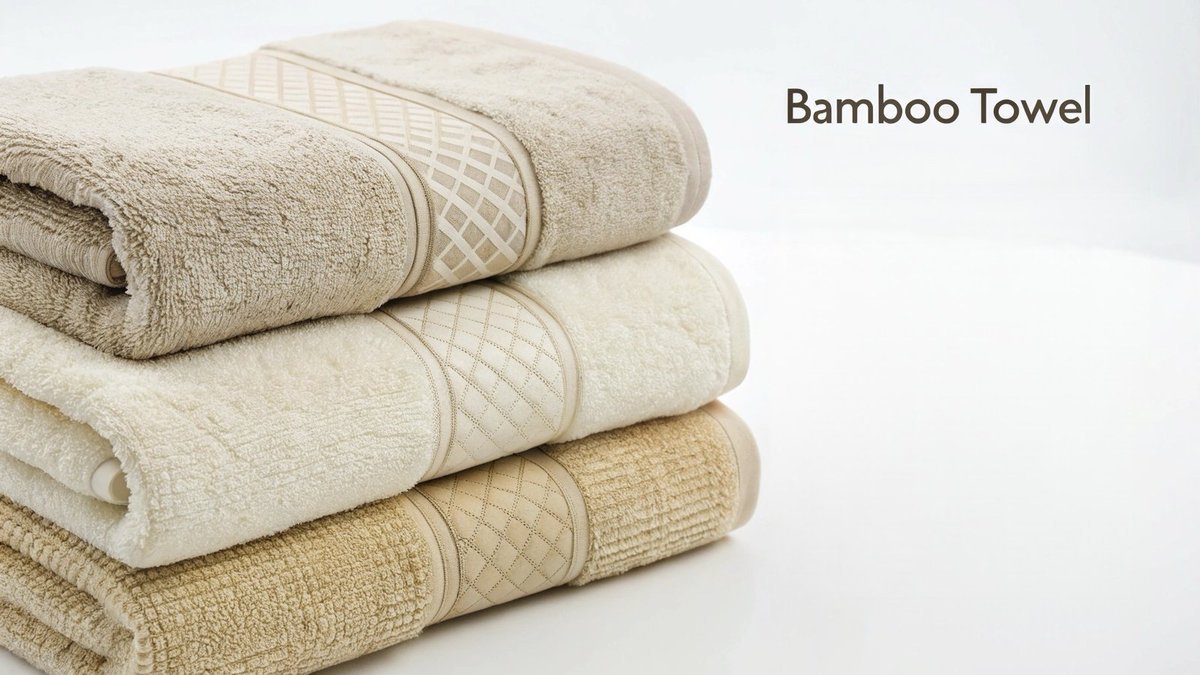
Bamboo Fabric: Bamboo viscose is another fantastic option. It’s known for being exceptionally soft, often compared to silk. It’s more absorbent than cotton, and its fibers are naturally smoother than cotton terry loops. Many brands choose bamboo for its eco-friendly story. It’s a sustainable resource, which resonates strongly with environmentally conscious consumers. We can get bamboo fabrics certified by OEKO-TEX, ensuring they are free from harmful substances.
-
Cotton Jersey: Think of your favorite old T-shirt. That soft, smooth, slightly stretchy fabric is cotton jersey. It has a flat-knit structure with no loops, which is why the "T-shirt plopping" method is so popular in the curly community. We can manufacture towels and hair wraps from this material, turning a DIY hack into a premium, branded product. It offers the familiarity of cotton with the gentleness needed for curls.
Ultimately, the "best" fabric can depend on your brand’s positioning. A performance-focused brand might lean toward microfiber, while a natural or sustainable brand might prefer bamboo. A brand targeting a younger audience might love the accessibility of a cotton jersey "T-shirt towel." We help our clients navigate these choices to find the perfect fit.
What can I use instead of a microfiber towel for curly hair?
You don’t have a microfiber towel, and you need a good alternative right now? Using the wrong thing, like a standard bath towel, can quickly lead to a frizzy mess.
If you don’t have a microfiber towel, use a 100% cotton T-shirt. Its smooth jersey knit fabric absorbs water gently without creating frizz. Other great alternatives include a flour sack towel or any soft, flat-weave cotton or bamboo cloth. The key is to avoid rough terrycloth loops.

I often tell brands that the best product ideas come from solving real-world problems. The fact that people use household items to dry their hair tells us there is a market gap for better products. Before you have a dedicated hair towel, you can look around your home for some surprisingly effective tools. This is the kind of practical insight that has inspired some of the best-selling products we’ve helped manufacture.
Smart Household Alternatives
The goal is to find a piece of fabric that is absorbent but smooth. Here’s what to look for and why it works:
-
The Cotton T-Shirt: This is the most famous alternative. Find a clean, 100% cotton T-shirt. The fabric is a smooth jersey knit, meaning it has no frizz-inducing loops. It will soak up excess water without roughing up your hair. This is the principle behind the "plopping" technique, where you wrap your wet, product-laden curls in a T-shirt to help them set. We’ve had clients ask us to produce towels made from this exact material, and they’ve been a huge hit.
-
Flour Sack Towels: These are another hidden gem. Found in the kitchen section, they are large, thin sheets of lint-free cotton with a flat weave. They are incredibly absorbent but very gentle, making them perfect for squeezing water out of delicate hair.
-
Baby Blankets (Receiving Blankets): If you have any soft flannel or muslin baby blankets, these can also work well. They are designed to be soft on a baby’s skin, which means they are also gentle on your hair.
Here’s a simple comparison of these common alternatives:
| Alternative | Texture | Absorbency | How to Use |
|---|---|---|---|
| Cotton T-Shirt | Very Smooth | Moderate | Best for "plopping" or gentle squeezing |
| Flour Sack Towel | Smooth, Flat Weave | High | Best for squeezing out lots of water |
| Muslin Cloth | Soft, Crinkled | Moderate-High | Gentle squeezing and blotting |
These alternatives prove one thing: texture is everything. Any fabric that avoids the rough, looped pile of a traditional towel is a step in the right direction.
Conclusion
Choosing the right towel—like microfiber, bamboo, or even a T-shirt—is a critical step for frizz-free, healthy curls. The secret is a smooth fabric that protects your hair.