Skip to content
Seeing ugly black spots on your towels is frustrating. It makes you question their cleanliness and hygiene. Here’s how you can identify, remove, and prevent these stubborn spots for good.
The black spots on your towels are most likely mildew or mold, which grows in damp conditions. You can remove them by soaking the towels in a vinegar-water solution, then washing them on a hot cycle with detergent and baking soda to kill the spores and remove stains.
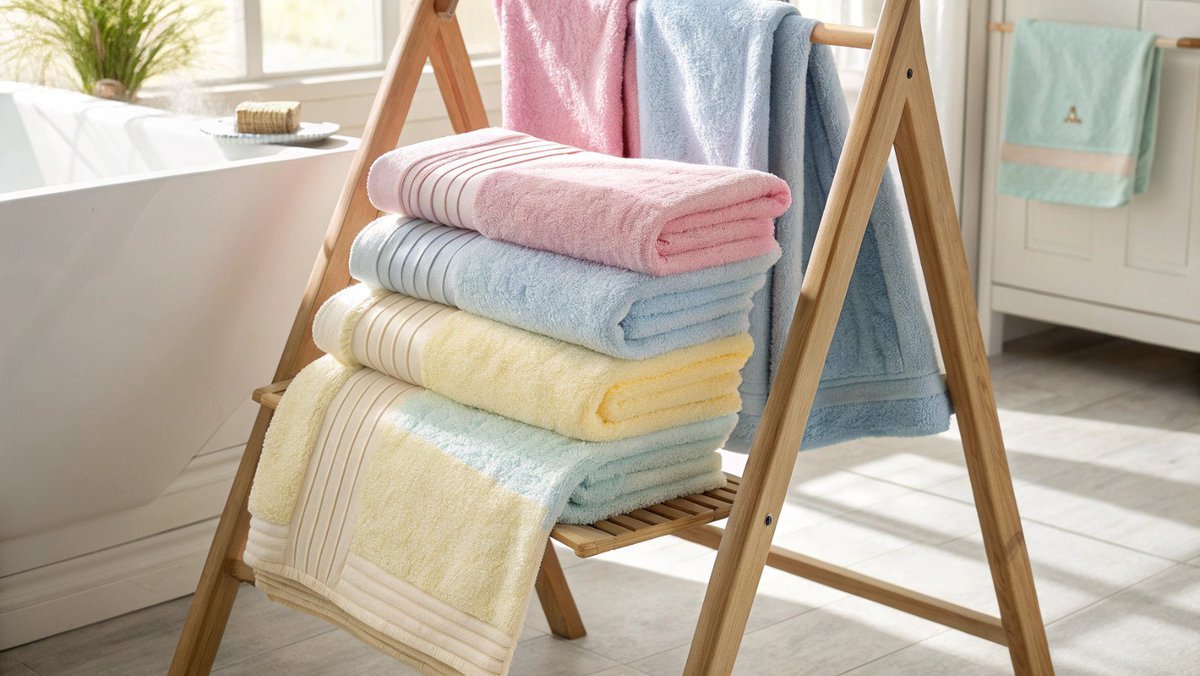
It’s a problem I hear about often. You invest in quality towels, but soon they’re peppered with these unsightly dots that regular washing can’t fix. It feels like a waste. But don’t worry, in most cases, your towels can be saved. Let’s walk through exactly what those spots are, how to treat them, and most importantly, how to stop them from ever coming back.
What does black mold look like on a towel?
You see dark specks on a towel and panic. Is it just a tough stain, or is it the dreaded black mold? Not knowing the difference can lead to wasted cleaning efforts.
Black mold on a towel usually appears as distinct black or dark greenish-black dots, often in clusters. Unlike a simple stain, mold may have a slightly fuzzy texture and will always have a musty, earthy smell. The smell is a key indicator.
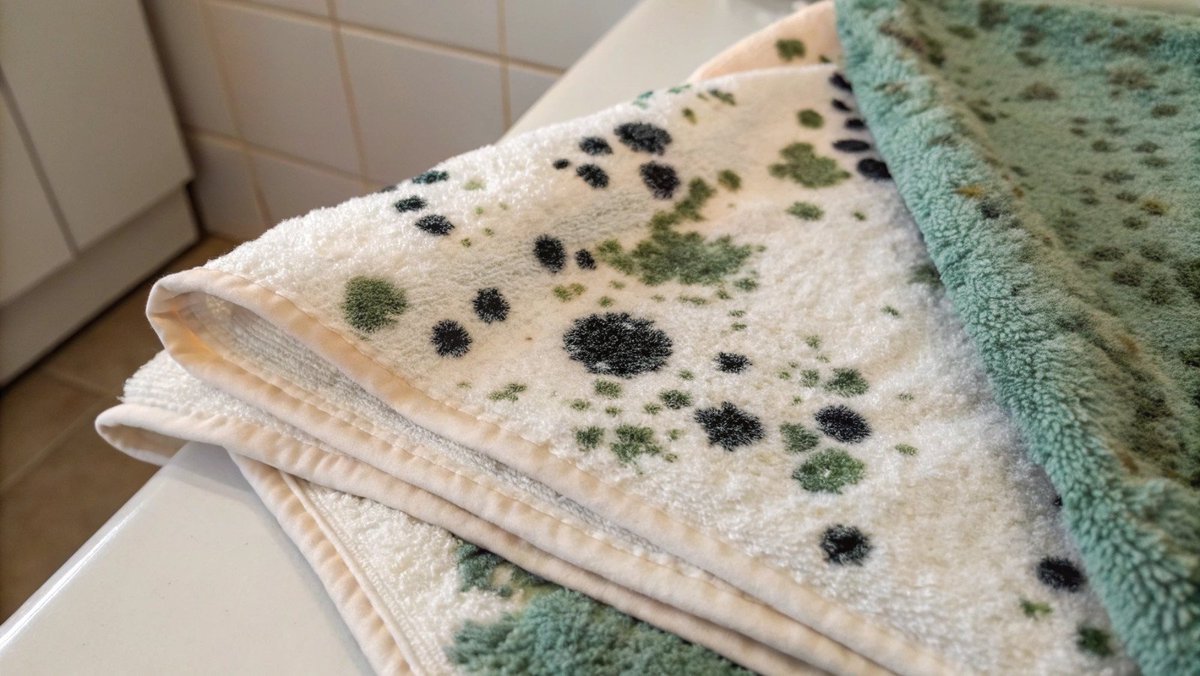
In my years in the textile industry, I’ve seen countless fabrics. Mold has a very specific look and feel. It’s not a flat discoloration like a dye stain. It looks like it’s growing on the fibers. The spots can start small and spread if the towel remains damp. The biggest giveaway is the smell. If your towel smells funky and musty even after washing, you’re dealing with mildew or mold. Simple dirt or makeup stains won’t have that biological, damp-basement odor.
Mold vs. Mildew vs. Dirt
It’s helpful to know what you’re up against. Here’s a quick breakdown:
| Stain Type | Appearance | Texture | Smell |
|---|---|---|---|
| Black Mold | Black or dark green spots | Fuzzy or slimy when wet | Strong, musty, earthy |
| Mildew | Gray or white patches, can turn black | Powdery | Mild, musty odor |
| Dirt/Stain | Varies (gray, brown, black) | Flat, absorbed into fabric | Usually no smell |
Understanding this helps you choose the right cleaning method. Simple stains might come out with a spot treatment, but mold requires a different approach to kill the spores.
How can you get black mold spots out of towels?
You’ve found mold on your favorite, expensive towels. Throwing them out feels like a waste, but a normal wash cycle did nothing. You need a solution that actually works.
First, soak the affected towels for at least an hour in a solution of one part white vinegar and two parts hot water. Then, wash them on the hottest setting with your regular detergent plus one cup of baking soda or oxygen bleach.
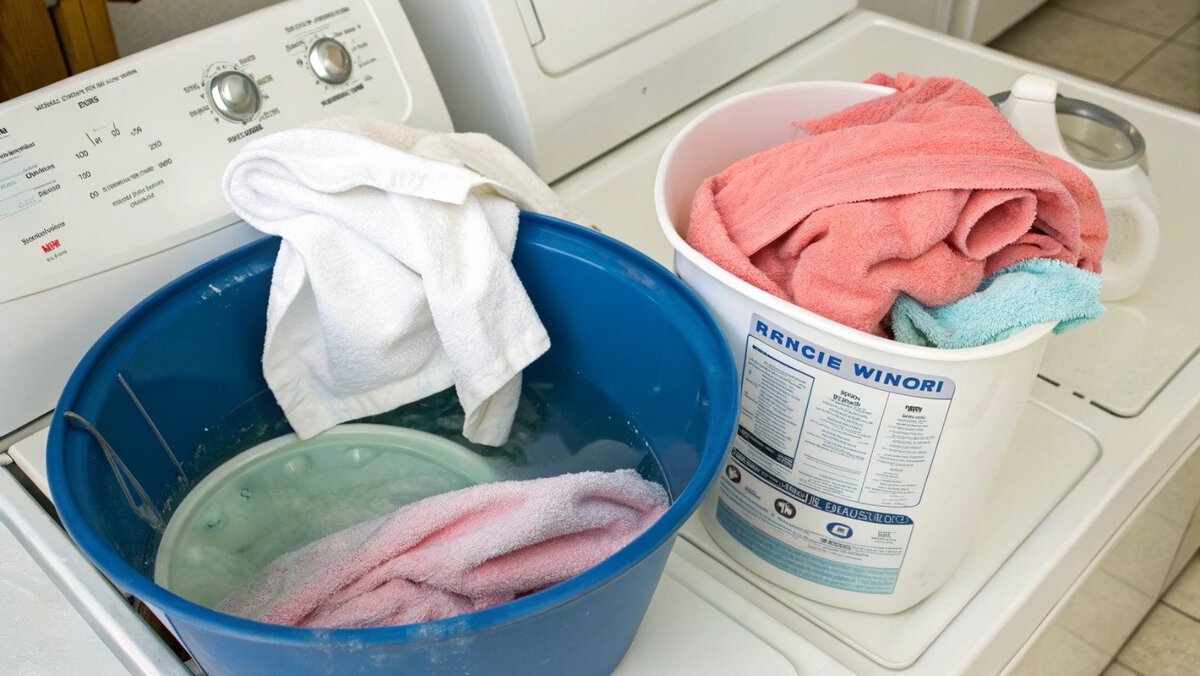
This is my go-to method that I share with clients. It’s effective and uses items you likely already have. The key is to kill the mold spores, not just wash away the surface stain. Vinegar is a natural disinfectant that kills most species of mold, and the hot water helps it penetrate the fibers. Baking soda then acts as a natural whitener and deodorizer in the wash.
Step-by-Step Cleaning Methods
For stubborn spots, you might need something stronger. Here are the three most effective methods I recommend.
-
The Natural Method: Vinegar and Baking Soda
This is the safest option for all towels, including colored ones. Pre-soak in the vinegar solution first. Then, put the towels in the washing machine. Add your normal detergent and sprinkle one cup of baking soda directly onto the towels. Run a full cycle using the hottest water the fabric can handle. -
The Stronger Method: Oxygen Bleach
If stains persist, oxygen bleach is a great color-safe alternative to chlorine bleach. After the vinegar pre-soak, add oxygen bleach to the wash cycle according to the product’s instructions. It breaks down the stain molecules without damaging the towel’s color. I often recommend this for our private label clients who need to rescue colored inventory. -
The Deep Clean: Borax
Borax is another powerful mold-killer. You can create a paste of borax and water, apply it directly to the stains, and let it sit before washing. Or, add half a cup of borax to your hot-water wash cycle along with your detergent.
Always dry the towels completely on high heat or in direct sunlight. UV rays are a natural mold inhibitor.
Should you just throw away a towel with mold?
You see a moldy towel and your first instinct is to toss it in the trash. Is it worth the time and effort to clean, or is it a lost cause and a health hazard?
You can usually save a towel with mold. If the spots are small and the fabric is intact, cleaning it is effective. However, if the mold has eaten through the fibers, creating holes or weak spots, it’s time to throw the towel away.
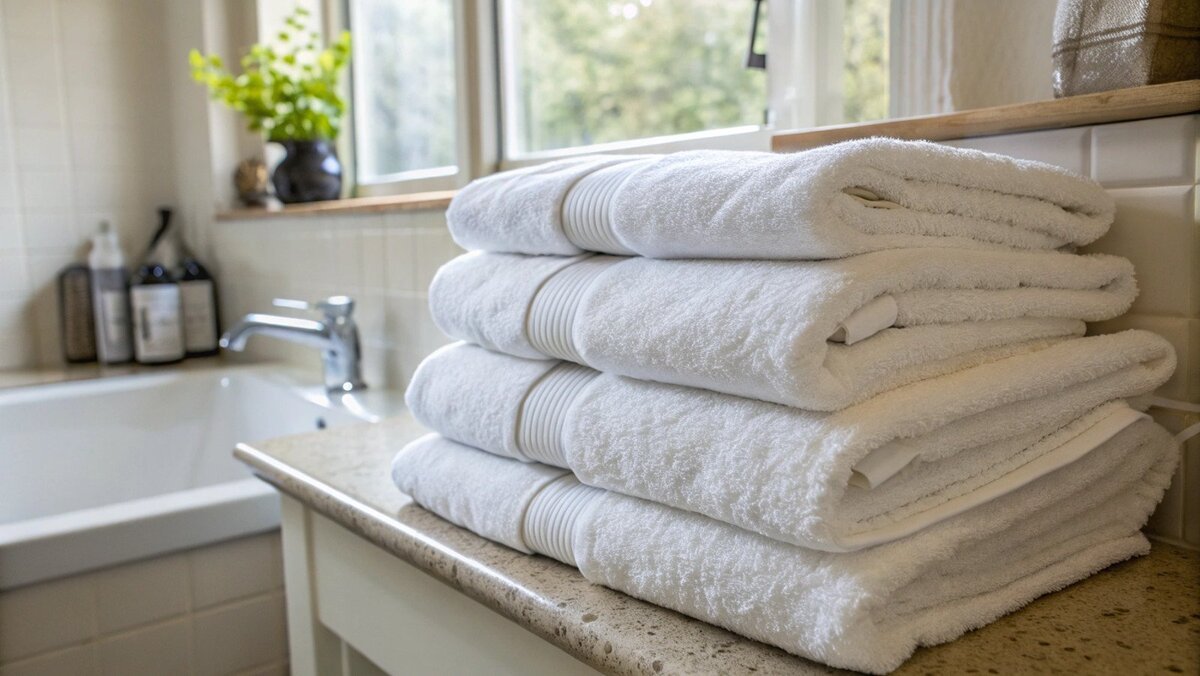
At TowelTrend, we pride ourselves on making durable towels. A high-quality towel made from strong cotton can withstand a mold infestation and aggressive cleaning. But even the best materials have their limits. The decision to save or toss a towel comes down to a few practical checks. If you can clean it and restore it to a fresh, hygienic state, there’s no reason to throw it out. But if the structural integrity is compromised or the smell just won’t go away, it’s better to replace it.
Save It or Toss It?
Here’s a simple guide to help you decide.
When to Save Your Towel
- The spots are small and superficial. The mold hasn’t deeply penetrated or damaged the fabric.
- The fabric is still strong. Pull gently on the area around the mold. If it feels solid, it’s salvageable.
- The smell is gone after one or two cleaning cycles. This indicates you have successfully killed the spores.
When to Throw It Away
- The mold covers a large area. If more than a quarter of the towel is affected, it’s often not worth the effort.
- The fabric is weak or has holes. Mold feeds on organic materials like cotton, and over time it will literally eat your towel.
- The musty smell persists after multiple cleanings. A lingering smell means spores are still active deep within the fibers.
- You have severe allergies or a compromised immune system. In this case, it’s not worth the risk. It’s best to start fresh.
How can you prevent black spots and remove other common stains?
You’ve successfully cleaned the mold off your towels. But you’re worried it will just come back, trapping you in an endless cycle of deep cleaning. There has to be a better way.
Preventing mold is all about drying. Always hang towels spread out after each use in a well-ventilated area. Never leave damp towels in a heap on the floor or sitting in the washing machine. Complete dryness is your best defense.

Prevention is always easier than treatment. As a manufacturer, I can tell you that the number one enemy of any towel is prolonged moisture. It breaks down the cotton fibers and creates the perfect breeding ground for mold and mildew. For our hotel and gym clients, we always emphasize the importance of a solid laundry process. Rapid drying and good air circulation not only prevent mold but also drastically extend the life of their towel inventory. The same principles apply at home.
Daily Habits and Laundry Routines
Here’s how to design a routine that keeps your towels fresh and spot-free.
Key Prevention Habits
- Hang It Right: After every use, hang your towel completely unfolded over a bar. Don’t use a hook, as it forces the fabric to bunch up, trapping moisture in the folds.
- Ventilate the Bathroom: Run the exhaust fan during and after your shower for at least 20-30 minutes to remove humidity from the air.
- Wash Regularly: Don’t let used, damp towels sit for days. Aim to wash bath towels after every 3-4 uses.
- Dry Immediately and Thoroughly: This is the most critical step. Move wet laundry from the washer to the dryer immediately. Dry them on a hot setting until they are 100% dry. If you feel any dampness, run them longer.
| Prevention Method | Why It Works | Frequency |
|---|---|---|
| Hang Towels Unfolded | Allows air to circulate through all the fibers. | After every use |
| Use an Exhaust Fan | Reduces overall humidity in the room. | During/after showers |
| Wash Promptly | Prevents spores from having time to grow. | Every 3-4 uses |
| Dry Completely | Removes the moisture that mold needs to survive. | After every wash |
By making these small adjustments, you can stop mold before it ever starts, keeping your towels smelling fresh and looking new for much longer.
Conclusion
Black spots on towels are usually mold, but they are treatable. With vinegar, baking soda, and proper washing, you can save most towels and restore them to their former glory.